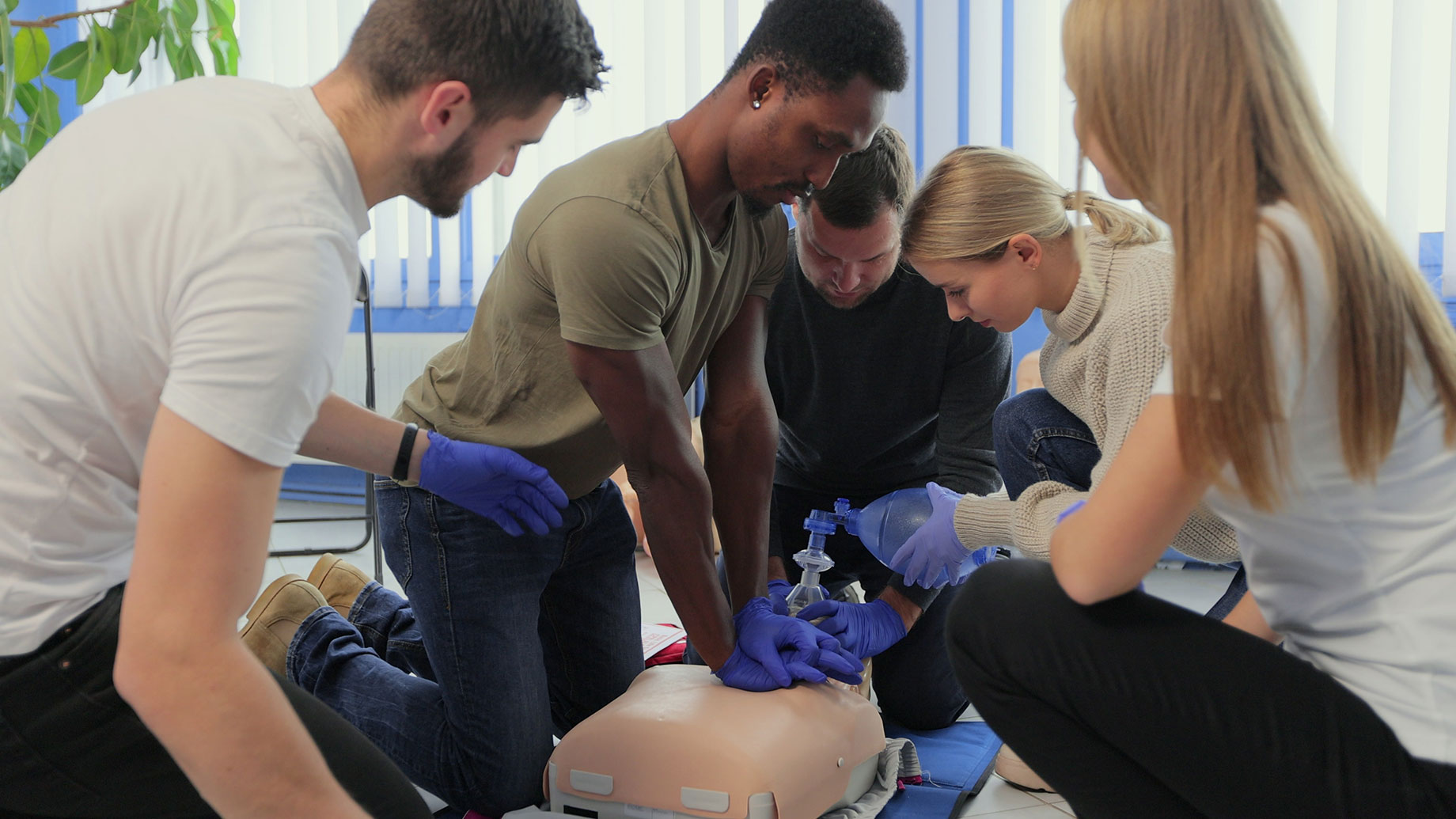
Did you know that the global cardiopulmonary resuscitation market is projected to grow to reach $535.69 million by 2033? The growing importance of CPR training, especially for healthcare professionals.
In the fast-paced world of healthcare, life-saving skills like CPR are essential. Being prepared for emergencies can make all the difference. Healthcare professionals must stay ready to act when every second counts.
Fortunately, many CPR training options meet high industry standards. Choosing a certified course ensures you learn the latest techniques. Here are CPR training options specifically designed for healthcare professionals.
Basic Life Support (BLS)
Basic Life Support (BLS) covers the core techniques used in CPR. It is specifically designed for those working in healthcare settings. The training helps prepare professionals for real-life emergencies.
BLS includes chest compressions, rescue breaths, and AED use. These skills are vital during cardiac or breathing emergencies. The course also emphasizes quick and efficient response.
Healthcare providers benefit greatly from BLS training. It ensures they are ready to assist patients in critical moments. Certification is often required in hospitals and clinics.
Advanced Cardiovascular Life Support (ACLS)
Advanced Cardiovascular Life Support (ACLS) provides in-depth training for serious emergencies. It focuses on advanced techniques beyond basic CPR. This course is ideal for experienced healthcare professionals.
ACLS covers airway management, IV access, and medication use. It also includes reading ECGs and recognizing cardiac rhythms. These skills are critical during cardiac arrest and stroke situations.
The course emphasizes team-based response in high-pressure settings. It prepares providers to lead or assist in emergency code situations.
Pediatric Advanced Life Support (PALS)
Pediatric Advanced Life Support (PALS) focuses on emergency care for infants and children. It teaches CPR and other life-saving techniques tailored to younger patients. This training is essential for those working in pediatrics.
PALS includes managing respiratory distress, shock, and cardiac arrest in children. It also covers age-appropriate drug dosages and equipment use. These skills help healthcare providers respond confidently in pediatric emergencies.
Online CPR Certification
Online CPR certification offers a convenient way to learn life-saving skills. It is ideal for healthcare professionals with busy schedules. The courses follow the same guidelines as in-person training.
These programs include video lessons, interactive quizzes, and final exams. Some require an in-person skills check for full certification. Others provide a blended format with both online and hands-on components.
Online certification is widely accepted in many healthcare settings. It provides flexibility without compromising quality. Always verify that the course meets your workplace or licensing requirements.
Local Community College Programs
Many community colleges provide CPR training as part of their health programs. These courses are often taught by certified instructors. They offer hands-on practice and real-time feedback.
Community college programs are usually affordable and accessible. They may also include BLS or ACLS certification. Some even offer evening or weekend classes for convenience.
Check your local college’s schedule for upcoming CPR sessions. These programs are great for both students and working professionals. Local training can also connect you with nearby healthcare opportunities.
Understanding Your CPR Training Options
Choosing the right CPR training is key to building your clinical skills. It helps you respond quickly and effectively during emergencies. Certified training can improve both confidence and patient outcomes.
There are many options, from in-person classes to online courses. Pick the one that fits your schedule and learning style. Your training choice can make a life-saving difference.
If you’d like to learn more, check out more articles on our blog.