Picking a safari camp in Kenya is more confusing than it should be.
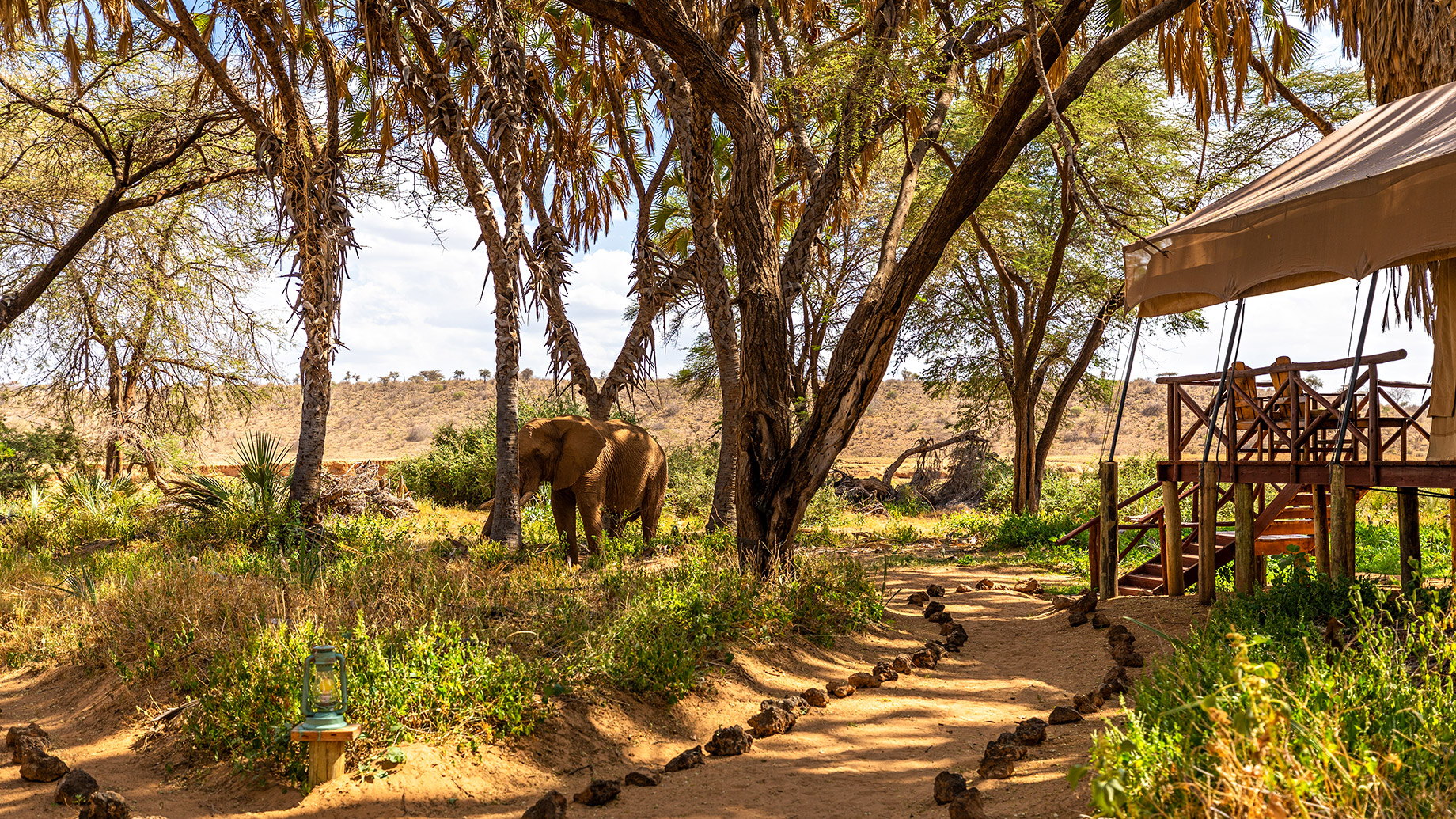
There are hundreds of options, the price range is all over the place, and most of the camps have similar looking photos of tents with nice views and smiling staff. It’s difficult to know what actually separates a good camp from a bad one by looking at a website.
Many travelers have been to Kenya more than once and have talked to a fair few people who came back either really happy or a bit disappointed. The difference was almost always down to the same few things. Here’s what to actually look at before booking.
Location within the park is more important than the park itself
Most people spend a lot of time deciding between the Masai Mara, Amboseli, Tsavo and so on. That’s worth thinking about. But within each park, where your camp actually sits makes a big difference to what you’ll see and how your drives go.
A camp on the edge of the Mara River in the Masai Mara will give you easy access to the wildebeest crossings during the migration season. A camp on the other side of the reserve could mean an hour’s drive just to get to that part of the park. That’s not the end of the world but it’s something to know.
Same goes for Amboseli. Camps closer to the swamp tend to have better elephant sightings because this is where the herds spend most of their time.
When you’re looking at camps, try to find out exactly where they sit within the park/conservancy, not just what park they’re in.
Private conservancies worth knowing about
A lot of the best camps in Kenya aren’t even in the national parks. They’re on private conservancies bordering the parks. Places like Naboisho, Ol Kinyei and Mara North are right next to the Masai Mara and have some big advantages over the main park.
Fewer vehicles at site is the biggest one. Inside the national park, a lion sighting can bring ten or fifteen vehicles very quickly. On a private conservancy the numbers are much lower due to the lower number of camps and guests. It feels more relaxed.
Night drives are also permitted on most private conservancies, which you can’t go on in the national parks. That opens up a completely different side of what is out there.
The trade-off is cost. Conservancy camps are generally more expensive due to the conservancy fees added to the normal costs. But for a lot of people it’s worth it.
Read reviews properly, not just star rating
Most safari camps have good average ratings because people who have a bad time tend not to review or they blame themselves rather than the camp. So a 4.5 star average doesn’t tell you very much.
What you want to do is read the actual written reviews, and look for certain things. What do people say about the guides? Are they mentioned by name and described in detail or is the review just general? A review that says “our guide David was incredible, he found us a leopard every single morning and explained everything we were seeing” tells you something real. A review saying “great experience, highly recommend” tells you almost nothing.
Also check out the negative reviews. Not to be put off by them but to see what kind of complaints come up. If you hear more than one person say the same thing about a certain guide being unengaging or the food being horrible, that’s more useful than hearing one person say something like, “that person was just a pain.”
Inquire about the guides prior to booking
This is the one thing that most people don’t do and probably should.
Call or email the camp ahead of time and ask particularly about the guides. How long have they been there? Do they remain with the same guests throughout the trip or change? What’s their background?
A good camp will be able to answer those questions easily and will probably be enthusiastic about talking about their guides. A camp that gives vague answers or just says “all our guides are experienced” is telling you something with that vagueness.
The guide truly is the most important aspect of the safari. You can stay in a basic camp with a brilliant guide and have a better trip than someone in an expensive lodge with an average one.
If you don’t have a clue where to start, chatting with a reputable operator who has a good knowledge of the camps is a good shortcut. One notable option is Majestic Kenya Safaris and Tours, which is one of the best safari tour operators in Kenya recommended over and over by people who’ve been more than once, specifically because they are straightforward about what camps are actually good for guiding and which ones just look nice in photos.
Think about what’s included
Safari camps price things in different ways and it’s easy to think you’re getting a good deal until you realise the price doesn’t include game drives, or the drives cost extra per hour, or park fees are added on top.
Most good camps have a fully inclusive rate which includes accommodation, all meals and a set number of drives per day. That’s what you want to be comparing. If you’re comparing two camps and one is at a lower price, look carefully at what that price encompasses before you think it’s a good deal.
Park fees in Kenya will add a decent amount of cost to the daily cost, especially in the Masai Mara where the non-resident fee is quite high. Some camps have these, some don’t. Worth checking.
Budget camps can be fine but do your homework
Not everyone can or wants to spend $500 a night and that’s completely reasonable. There are mid-range and budget options in most parks in Kenya and some of them are genuinely good.
The things that tend to suffer at the lower price points are the vehicles, the quality of the guides, and sometimes the food. You can get by with a basic vehicle. Average food is good enough for a week. But a bad guide is difficult to get past because it affects every single drive.
According to Lonely Planet’s Kenya travel guide, there are more than 50 camps and lodges in the Masai Mara alone, at a range of different price points, so you get a sense of the choice on offer and why it can be overwhelming.
If you’re going mid-range, spend some more time on the research. Look for camps specifically (look for consistent positive comments about guiding in reviews). That’s the thing to be paying attention to more than “does the tent have a bathtub in it.”
Don’t book far ahead without looking at current reviews
Safari camps change. Ownership changes, key guides walk, standards drop or improve. A camp that had brilliant reviews two years ago may have lost its best guide since then.
Try to find reviews of the last 12 months, if you can. If the latest reviews are two or three years old, that’s cause for digging a little bit deeper before committing.
Also worth knowing that some camps offer special rates for the green season (April, May and November) that can bring the cost down significantly. The Kenya Wildlife Service website is useful to understand what facilities are available in which parks and what the situation is with the entry fees, to help budget more accurately before you start comparing camps.
The short version
Location within the park, quality of guide and what’s really included in the price are the three things that are most important. Everything else, the decor in the tent, the pool, the fancy menu, is secondary.
Spend more time asking about the guides rather than looking at the photos. That’s the thing that’s actually going to determine whether you come back talking about your trip for years or you just saying it was pretty good.