Manila is often where a journey through the Philippines begins. As the country’s capital and a major transport hub, it offers an introduction to Filipino food, history, neighbourhoods and city life. But for travellers willing to venture further, Manila is just the opening chapter.
Beyond the capital lies a remarkably varied archipelago of islands, coastlines, forests, reefs and rural landscapes. Palawan brings dramatic limestone cliffs and hidden lagoons. Bohol combines unusual geological formations with wildlife and coastal scenery. Cebu offers a different mix of island life and marine experiences, while destinations such as Dumaguete, Malapascua and Tubbataha reveal how diverse the country’s underwater world can be.
That variety is one of the Philippines’ greatest strengths. Rather than planning an entire holiday around one city, travellers can shape their itinerary around the experiences they enjoy most.
Here are seven reasons to look beyond Manila.
1. Discover the Philippines’ extraordinary island landscapes
One of the biggest reasons to leave Manila is simply to see what the Philippines looks like beyond its urban centre.
Palawan is an obvious example. Located in the western part of the country, the archipelago is known for dramatic limestone formations, forested islands, clear water and a rugged coastline. El Nido is particularly famous for its towering karst cliffs and lagoons, while Coron combines spectacular island scenery with a strong reputation for wreck diving.
The appeal is not limited to postcard views. Island hopping can take travellers into quieter coves and smaller islands, where the landscape changes continuously from one stop to the next.
For anyone accustomed to city breaks, the contrast is striking. A morning might begin on a beach, continue by boat through a maze of limestone cliffs and end on an island surrounded by nothing but open sea.
That sense of space is difficult to appreciate without leaving the capital.
Read more: 10 Cheapest Countries to Travel to in 2025
2. Experience nature, wildlife and culture in Bohol
Bohol is another destination that demonstrates just how much variety can fit into one island journey.
The Chocolate Hills are perhaps its most recognisable attraction. Hundreds of distinctive, grass-covered limestone hills create an unusual landscape across the island, particularly during the drier months when the vegetation takes on the brownish colour that gives them their name.
But Bohol is not simply a sightseeing stop.
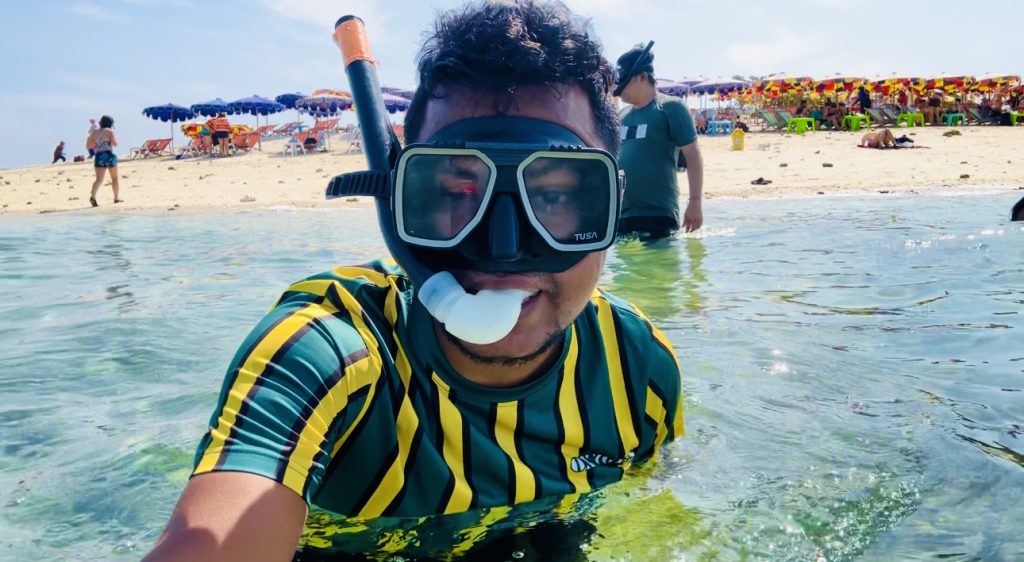
The island is also known for its wildlife, including the Philippine tarsier, one of the world’s smallest primates. Travellers can combine visits to the island’s inland attractions with time around the coast, where Panglao and the surrounding waters offer opportunities for swimming, snorkelling and diving.
This combination makes Bohol particularly appealing to travellers who do not want every day of a holiday to revolve around the beach. A morning exploring the countryside can be followed by an afternoon on the water, giving the trip a much broader sense of place.
There is also plenty of room to slow down. Rather than rushing between attractions, travellers can spend time exploring local communities, enjoying regional food or simply taking in the scenery.
3. See a different side of Cebu
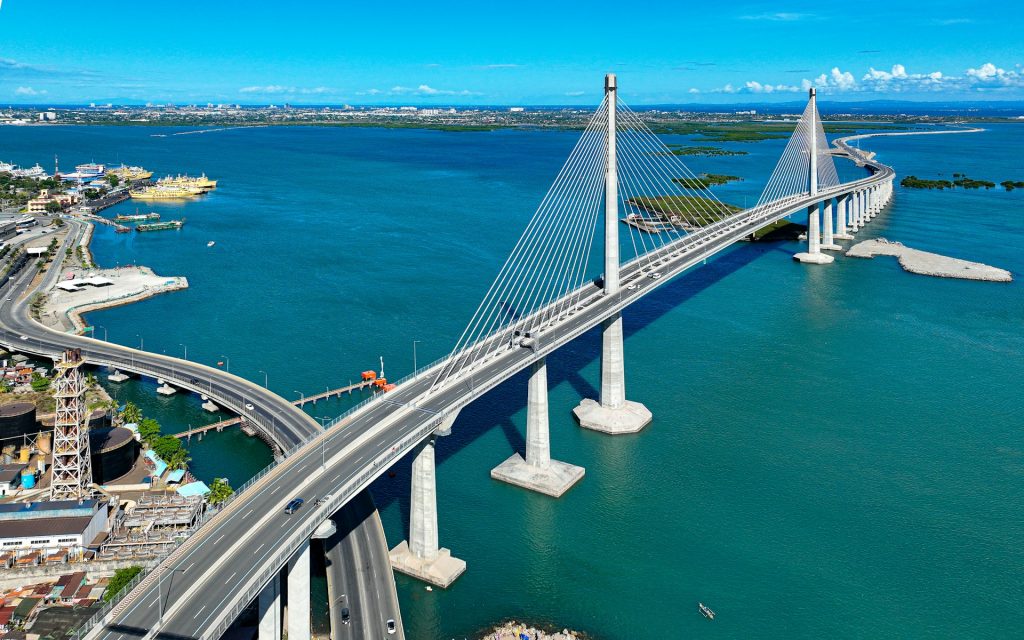
Cebu is another destination where travelling beyond the main urban areas opens up a very different experience.
The island and surrounding region offer beaches, waterfalls, coastal scenery and plenty of opportunities to get into the water. One of the best-known experiences is found around Moalboal, on Cebu’s southwest coast.
Here, enormous schools of sardines gather close to shore, creating a remarkable underwater spectacle. You do not necessarily need an elaborate expedition to appreciate it; the attraction is close enough to the coast to form a relatively accessible part of a wider Cebu itinerary.
Moalboal also illustrates a broader point about travelling around the Philippines. Some of the country’s most memorable experiences are not necessarily about visiting a famous landmark. They are about being in the right environment at the right time, whether that means entering clear water beside a reef, watching a shoal of fish move as one or taking a boat to a quiet stretch of coastline.
For travellers who enjoy active holidays, Cebu can therefore become much more than a stop between flights. It can be a destination in its own right.
4. Explore an extraordinary underwater world
Perhaps the most compelling reason to travel beyond Manila is what happens once you look below the surface.
The Philippines sits within the Coral Triangle, a marine region recognised for its exceptional biodiversity. Around the country, divers can encounter coral reefs, steep walls, wrecks, macro habitats and open-water environments, with each destination offering a different experience.
For one traveller, the attraction might be photographing tiny nudibranchs, seahorses or frogfish. For another, it could be drifting alongside schooling fish, spotting turtles or exploring historic shipwrecks.
Coron is particularly associated with Second World War wrecks, while Malapascua is well known among divers for encounters with thresher sharks. Dumaguete and Dauin have developed a strong reputation for muck diving and unusual small marine life. Elsewhere, reefs around places such as Apo Island offer opportunities to encounter a broad range of marine species.
There is also considerable variation in the type of diving available. Some areas are suited to reef diving, while others appeal to those interested in macro photography, wrecks, drift diving or larger pelagic species.
For travellers considering making underwater experiences a significant part of their itinerary, this detailed guide offers useful background on the different regions and diving environments found across the country.
The important point is that there is no single definition of diving in the Philippines. Different islands offer different conditions, marine life and styles of diving, which makes the destination particularly interesting for repeat visitors as well as first-timers.
5. Choose an adventure that matches your interests
The diversity of the Philippines becomes even clearer when you start matching destinations to the type of experience you want.
Macro enthusiasts, for example, may be drawn towards Anilao, Dumaguete or Dauin, where quieter reef and muck environments can reveal surprisingly unusual marine life. Photographers can spend hours looking for tiny creatures that are easy to miss at first glance.
Wreck enthusiasts have an entirely different experience in Coron Bay, where several historic wrecks provide a link between underwater exploration and the history of the region.
Then there are destinations focused on larger marine encounters. Malapascua is closely associated with thresher sharks, while other areas around the Visayas offer opportunities to encounter schooling fish, turtles, rays and larger reef species.
Tubbataha is particularly different because of its isolation. The protected marine park sits in the Sulu Sea and is generally accessed by liveaboard, making it better suited to travellers who want a dedicated diving experience rather than a casual day in the water.
That variety is useful when planning a longer holiday. Instead of simply asking which destination is “best”, it makes more sense to ask what type of experience you want.
6. Go beyond the familiar tourist routes
There is nothing wrong with visiting famous destinations. In fact, Palawan, Bohol and Cebu have become popular for good reason.
But one of the pleasures of exploring the Philippines is discovering how many alternatives exist once you move beyond the most familiar itinerary.
Dumaguete and Dauin, for example, offer a very different atmosphere from the major resort areas, particularly for travellers interested in marine life and diving. Malapascua is a small island with a very specific appeal for divers interested in thresher sharks. Puerto Galera provides another coastal option, while Tubbataha offers a much more remote experience for those prepared to travel by liveaboard.
These are not necessarily undiscovered places, and calling them hidden gems would oversimplify their appeal. Instead, they are destinations worth considering when you want to shape a trip around a particular interest.
The same principle applies outside diving. Travellers interested in hiking, wildlife, photography, food or local culture can build routes around destinations that suit those interests rather than simply following the most heavily promoted circuit.
The Philippines does not need to be experienced as a checklist of its most photographed places.
7. Build a trip around your interests, not just one city
Perhaps the best reason to explore beyond Manila is that the Philippines allows travellers to design a trip rather than simply follow a standard route.
Someone visiting for the first time might combine Manila with Palawan and Bohol. Another traveller may prefer to spend more time around Cebu and Moalboal before continuing towards another island. A diver could build an itinerary around specific marine environments, linking destinations such as Bohol, Dumaguete, Malapascua or Palawan.
The important thing is to allow enough time for travel between islands.
The Philippines is a large archipelago, and moving from one region to another can involve domestic flights, ferries, road transfers or combinations of all three. Trying to fit too many destinations into a short holiday can leave more time spent travelling than actually experiencing the places on the itinerary.
Seasonality also matters, particularly for diving and boat-based activities. Conditions can vary considerably between regions, so travellers should check local weather and sea conditions when planning activities around the water.
For a trip built around the sea, it is often more useful to research the specific region you are visiting than to rely on a single country-wide “best time to visit”.
Planning your Philippines trip beyond Manila
The easiest way to plan a trip beyond the capital is to start with the experiences rather than the map.
Want dramatic scenery and island hopping? Palawan is an obvious place to investigate.
Interested in combining landscapes, wildlife and coastal activities? Bohol offers a strong mix.
Looking for marine encounters that are easy to build into an island itinerary? Cebu and Moalboal are worth considering.
Want something more specialised? Destinations such as Dumaguete, Dauin, Malapascua and Tubbataha open up very different possibilities.
It is also worth building some flexibility into the itinerary. Weather can affect ferry crossings, boat trips and diving conditions, so a schedule with a little breathing room is often more enjoyable than one that leaves no margin for change.
And although the temptation is to collect as many destinations as possible, travelling more slowly can often produce the richer experience. Three places experienced properly can reveal considerably more than six destinations rushed through.
The Philippines is much bigger than its capital
Manila is worth exploring. Its history, food, neighbourhoods and energy provide a useful introduction to the country, and for many visitors it will naturally be the first or last stop.
But it should not be the whole story.
Beyond the capital are limestone islands and hidden lagoons, unusual wildlife, coral reefs, historic wrecks, mountain landscapes and remarkable marine environments. In places such as Bohol and Palawan, the scenery changes dramatically. Around Cebu and the Visayas, life increasingly revolves around the sea. Further afield, destinations such as Tubbataha reveal an almost entirely different side of the country.
The Philippines becomes more interesting the further you explore it.
Rather than seeing Manila as the destination, think of it as the starting point. The real adventure begins when you look beyond the city and discover what lies across the water.