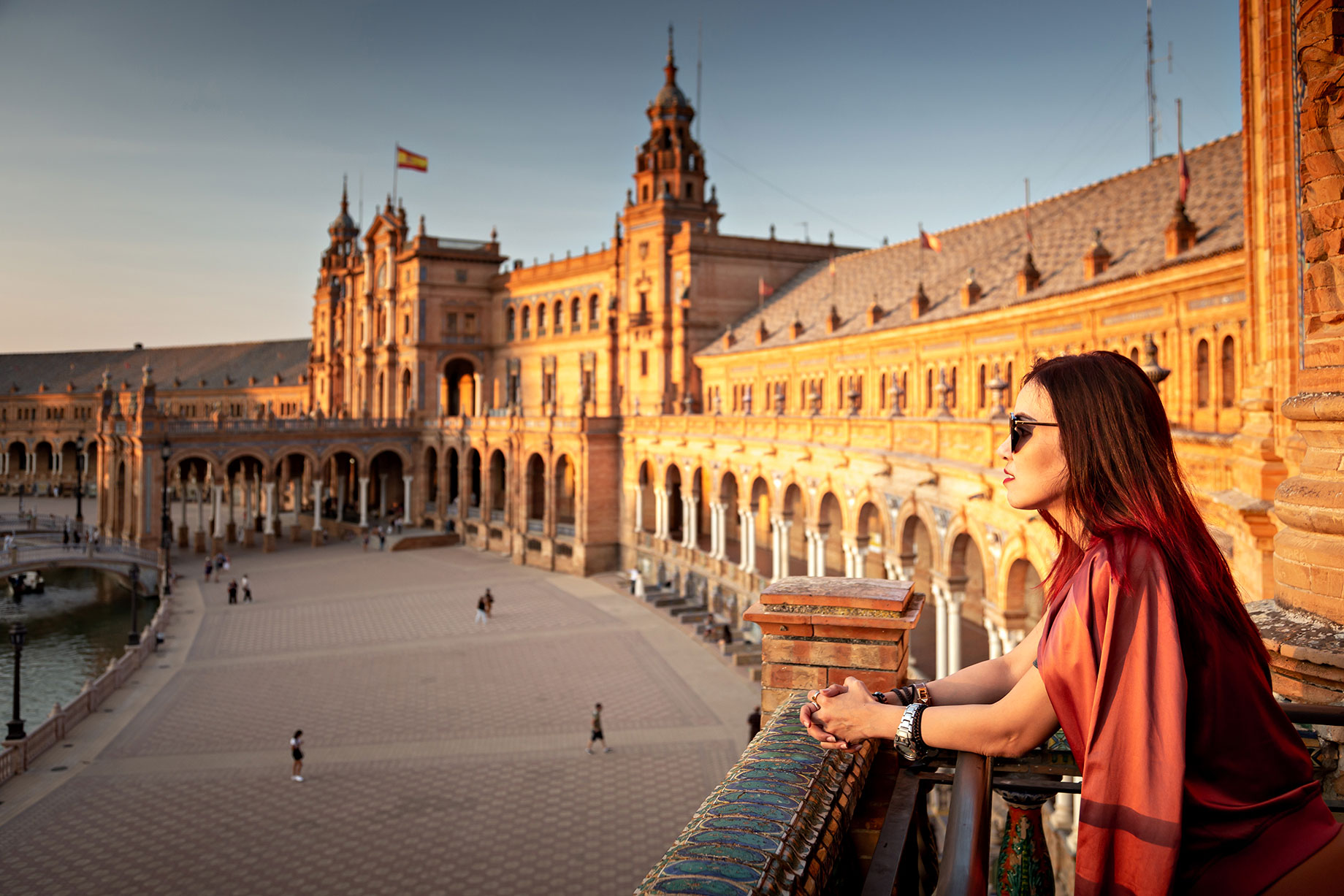
Spain has long captivated American travellers with its vibrant culture, world-class cuisine, stunning architecture, and sun-drenched beaches. Whether you’re planning a two-week holiday or considering a longer stay, understanding the cultural nuances and practical requirements can make all the difference between a good trip and an unforgettable Spanish adventure. Here are seven essential tips to help you navigate Spain like a seasoned traveller.
1. Master the Art of Spanish Meal Times
One of the most significant adjustments Americans face in Spain is the dramatically different dining schedule. Forget everything you know about meal times back home—Spain operates on its own culinary clock, and embracing it is key to experiencing authentic Spanish life.
Breakfast (desayuno) is typically a light affair between 7:00 and 9:00 AM, often consisting of café con leche with a pastry or toast topped with tomato and olive oil. Lunch (la comida) is the main meal of the day, served between 2:00 and 4:00 PM, whilst dinner (la cena) rarely begins before 9:00 PM and can easily stretch past 10:30 PM.
Don’t expect to find restaurants open for dinner at 6:00 PM—many won’t even unlock their doors until 8:00 PM at the earliest. Plan accordingly, or take advantage of the Spanish tradition of merienda, a light afternoon snack around 5:00-7:00 PM that helps bridge the gap between meals.
2. Navigate Entry Requirements and Documentation
American citizens don’t require a visa for short visits to Spain (up to 90 days within any 180-day period), but you’ll need to ensure your passport is valid for at least three months beyond your planned departure date. Starting in late 2026, travellers from the United States will need to apply for ETIAS (European Travel Information and Authorization System) before arriving in Spain and other Schengen Area countries.
Additionally, Spain requires proof of sufficient funds: as of 2025, this means a minimum of €118 per person per day, or at least €1,065 for stays of nine days or more. Whilst these checks aren’t always enforced, it’s wise to have documentation ready, such as bank statements or credit cards with adequate credit limits.
3. Embrace the Siesta (But Don’t Expect Everyone to Be Napping)
The siesta remains one of Spain’s most misunderstood customs. Contrary to popular belief, not everyone in Spain takes an afternoon nap—in fact, statistics show that 50-60% of Spaniards never take siestas at all. What tourists often interpret as “siesta time” is actually the extended lunch break when many small shops and businesses close between 2:00 and 5:00 PM.
During these hours, major tourist attractions, museums, and large chain stores typically remain open, making it an excellent time to visit popular sites with fewer crowds. However, if you’re exploring smaller towns or hoping to shop at independent boutiques, you’ll need to plan around these closures. Rather than fighting the rhythm, embrace it—enjoy a leisurely lunch and use the afternoon heat to rest before an evening of exploration.
4. Budget Wisely and Understand the Financial Landscape
Spain uses the euro, and whilst it’s generally more affordable than many Western European countries, major cities like Madrid and Barcelona can be surprisingly expensive. Expect to pay around €1.50 for coffee, €3-4 for beer, and €15-30 for a mid-range meal. Credit and debit cards are widely accepted, but carrying some cash for small purchases, markets, and tips is advisable.
If you’re considering an extended stay or even relocating to Spain, financial planning becomes even more crucial. Many Americans are discovering that Spain offers excellent value for long-term living, particularly outside the major metropolitan areas. For those exploring permanent relocation, researching the best places in Spain for American expats can help you find communities that balance lifestyle, affordability, and expat-friendly amenities. Understanding how much money you need to retire in Spain is essential for anyone considering making this beautiful country their long-term home.
5. Stay Alert to Safety Concerns
Spain is generally a safe destination, but like any popular tourist destination, it has its share of petty crime. Pickpocketing and bag-snatching are particularly common in tourist areas of Madrid, Barcelona, and on public transport. Keep your valuables secure, avoid carrying your passport unless absolutely necessary (a photo or copy will suffice for most situations), and stay vigilant in crowded locations.
The U.S. Department of State maintains Spain at a Level 2 advisory (Exercise Increased Caution) due to terrorism threats, though Spain remains one of Europe’s most visited and safest countries. Enrol in the Smart Traveler Enrollment Program (STEP) to receive alerts from the U.S. Embassy and make it easier to locate you in an emergency.
6. Navigate Spain’s Excellent Transport System
Spain boasts one of Europe’s best transport networks. The AVE high-speed trains connect major cities efficiently—Madrid to Barcelona takes just over two and a half hours—whilst regional trains and buses serve smaller towns. Within cities, public transport systems are well-developed, affordable, and easy to navigate using Google Maps.
However, many Spanish cities are best explored on foot. Madrid, Barcelona, and Seville all have compact historic centres where walking reveals hidden plazas, charming cafés, and architectural treasures you’d miss from a vehicle. Consider saving car rentals for exploring rural areas and coastal routes.
7. Learn Basic Spanish (It’s More Important Than You Think)
Whilst English is spoken in major tourist areas, don’t assume everyone speaks it, especially outside Barcelona and Madrid. Learning basic Spanish phrases will significantly enhance your experience and demonstrate respect for local culture. Remember that Spain has several regional languages—Catalan in Catalonia, Basque in the Basque Country, and Valencian in Valencia—though Spanish (Castellano) is understood everywhere.
A few key phrases like “buenos días” (good morning), “gracias” (thank you), “por favor” (please), and “la cuenta, por favor” (the bill, please) will go a long way. Spaniards appreciate the effort, even if your pronunciation isn’t perfect.
Final Thoughts
Spain rewards travellers who come prepared and embrace its unique rhythm of life. By understanding meal times, respecting cultural customs, staying vigilant about safety, and planning your finances appropriately, you’ll be well-positioned to enjoy everything this magnificent country has to offer. Whether you’re savouring tapas in San Sebastián, exploring Gaudí’s masterpieces in Barcelona, or wandering through Seville’s orange-scented streets, Spain promises experiences that will stay with you long after you’ve returned home.
¡Buen viaje!