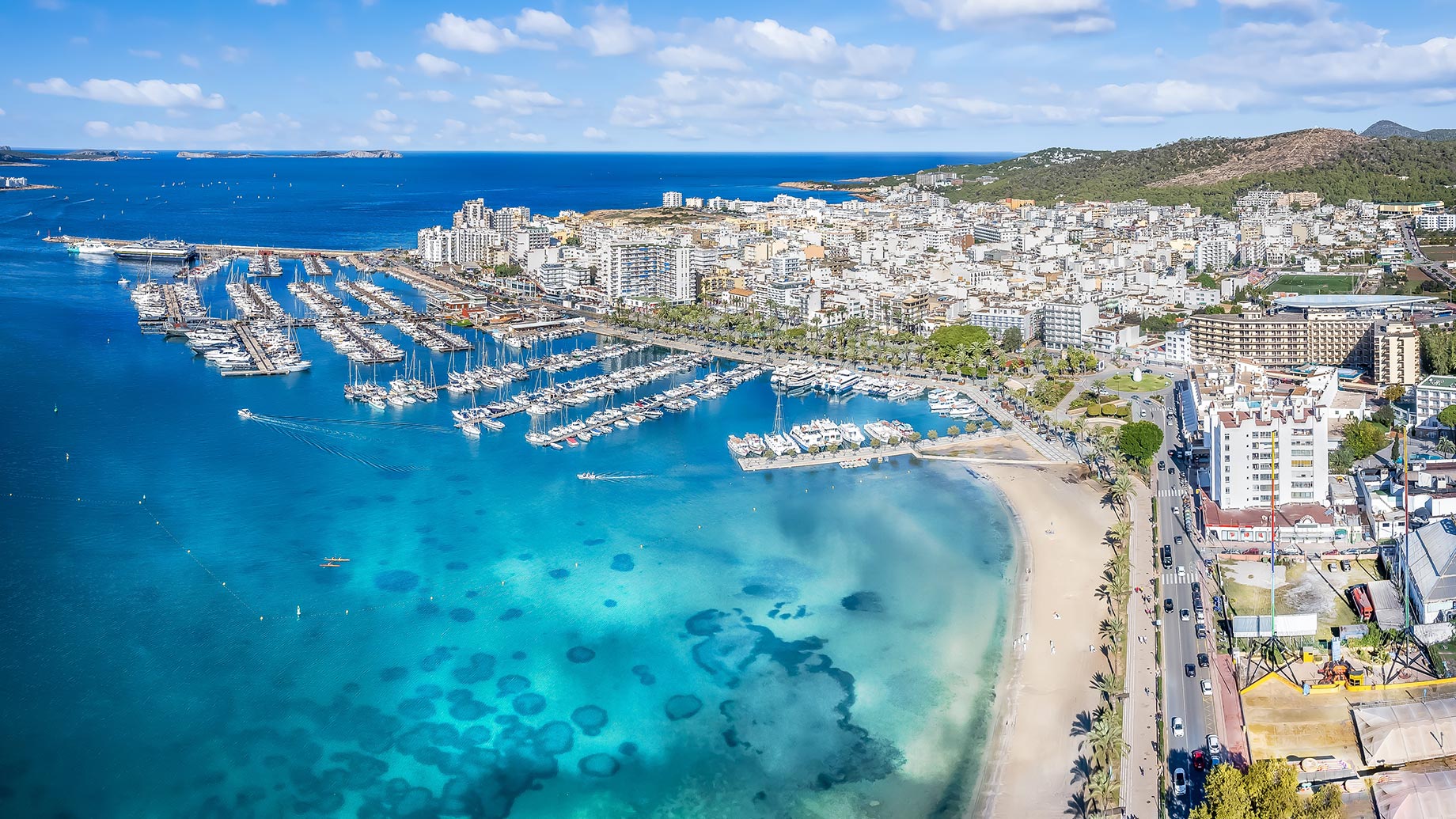
San Antonio de Portmany sprawls along Ibiza’s western coast, where dramatic sunsets paint the sky in impossible shades of orange and pink each evening. Known locally as Sant Antoni, this vibrant town represents Ibiza’s second-largest urban centre, yet maintains a character distinctly different from the capital. While its reputation as a nightlife destination precedes it, San Antonio reveals surprising depth for those who look beyond the clubs—offering pristine beaches, historic sites, and natural beauty that rivals any Mediterranean destination.
Getting There and Around
Reaching San Antonio proves straightforward from Ibiza Airport, located approximately 20 kilometres away. The intercity bus line 9 connects the airport directly to San Antonio, while lines 3 and 8 run regularly from Ibiza Town, Spain, covering the 15-kilometre journey in about 30 minutes. Taxis offer a quicker alternative, though at higher cost. Once in town, most attractions lie within walking distance along the expansive promenade, though renting a scooter or car opens access to hidden coves and nearby villages that define the region’s charm.
Beaches and Coves
San Antonio’s coastline offers remarkable variety, from the urban convenience of S’Arenal Beach to secluded coves requiring adventurous spirits to reach. S’Arenal serves as the town’s main beach, stretching along the bay with shallow waters ideal for families. Water sports enthusiasts find jet skiing, windsurfing, and paddleboarding readily available, while the sandy expanse provides ample space for sunbathing even during peak summer months.
North of town, Cala Salada and its smaller neighbour Cala Saladeta rank among Ibiza’s most photographed beaches. Pine trees frame these crescents of sand, while turquoise water invites snorkeling among rocky outcrops. A coastal path connects the two coves, winding through Mediterranean vegetation that perfumes the air with wild herbs. Arriving early proves wise, as limited parking and growing popularity mean these beaches fill quickly during summer.
The smaller Caló des Moro offers tranquility at the southern end of San Antonio’s promenade. This intimate beach attracts fewer crowds, providing calm swimming conditions and a relaxed atmosphere distinct from the livelier central areas. Rocky sections perfect for snorkeling alternate with sandy patches where families spread their towels.
Further afield, Cala Comte dazzles visitors with views of offshore islands rising from impossibly blue water. The beach’s western orientation creates spectacular sunset viewing, drawing crowds each evening to watch day surrender to night. Beach clubs here blend relaxation with vibrant energy, serving cocktails and meals as the sun descends toward the horizon.
The Sunset Strip
San Antonio’s famous Sunset Strip has achieved legendary status among travellers seeking Ibiza’s quintessential experiences. This stretch of waterfront bars and cafés comes alive each evening as people gather to witness sunsets that have inspired countless photographs and memories. Café del Mar pioneered the concept of sunset-watching accompanied by chill-out music, its albums becoming synonymous with Balearic ambiance. Nearby, Café Mambo attracts international DJs who perform sets timed to coincide with sunset, creating moments where music, light, and atmosphere merge.
Beyond these iconic venues, numerous bars line the strip, each offering unique perspectives on the daily spectacle. Some provide table service and gourmet tapas, while others maintain casual beach-bar vibes with sand underfoot. Arriving an hour before sunset ensures securing good viewing spots, as the strip draws substantial crowds during peak season.
Historic Sites
San Antonio’s history extends far beyond its modern reputation, with Roman roots evident in its ancient name Portus Magnus—Great Port. The Church of San Antonio stands as the town’s most significant historical monument, its fortified structure dating to 1385. Built to defend against pirate raids that plagued Mediterranean coasts, the church’s thick walls and defensive positioning tell stories of an era when coastal communities lived under constant threat. The interior reveals beautiful religious art and architecture worth contemplating in the cool shade away from midday heat.
The Egg of Columbus monument, located in a central roundabout, honours the explorer’s supposed connection to the region. While its artistic merit divides opinion, it serves as a recognizable landmark and meeting point. Nearby, Sa Punta des Molí Cultural Space preserves traditional windmills and fishing huts, offering insight into pre-tourism island life through exhibits and a Mediterranean botanical garden.
Nearby Villages
Exploring villages surrounding San Antonio reveals authentic Ibizan culture away from coastal development. Sant Rafel, south toward Ibiza Town, claims status as one of the island’s oldest settlements. Its Thursday craft market draws locals and visitors browsing handmade goods while the historic church provides architectural interest.
North lies Sant Mateu, where small family-run wineries offer tastings of local wines. The gentle countryside here, dotted with almond trees and traditional fincas, feels worlds removed from coastal crowds. Further north, Santa Agnès de Corona nestles among hills, its hiking trails leading to Las Puertas del Cielo viewpoint. The panoramic vistas from this “Gates of Heaven” lookout span across sea and cliffs, rewarding the moderate hike with unforgettable views.
Water Activities and Boat Trips
San Antonio’s marina serves as departure point for numerous maritime adventures. Boat trips to Formentera remain particularly popular, whisking passengers across sparkling water to Ibiza’s smaller sister island. These excursions typically include time for swimming, snorkelling, and exploring Formentera’s renowned beaches before returning as evening approaches.
Sunset cruises offer alternatives to land-based viewing, taking passengers along the coast as the sun descends. Many include stops for swimming in secluded coves, paddleboarding, or simply relaxing on deck with drinks and music. Catamaran tours to beaches like Cala Bassa and Cala Conta provide full-day adventures combining sailing, water sports, and beach time.
For underwater enthusiasts, diving centers offer courses and guided dives exploring reefs, caves, and rock formations home to Mediterranean marine life. Snorkeling remains accessible even for beginners, with equipment rentals available at most beaches and calm, clear waters revealing colorful fish and interesting underwater topography.
Nightlife
While some visitors seek San Antonio specifically for nightlife, the scene has evolved beyond its historic reputation for excess. The West End district maintains its position as the heart of evening entertainment, with numerous bars and pubs creating a concentrated area of activity. Music spills from doorways, promoters offer club tickets, and the energy builds as night progresses.
Major clubs like Eden and Es Paradís draw international DJs and dedicated dance music fans. These venues offer elaborate production, sound systems that push technical limits, and crowds united in their love of electronic music. Amnesia and Privilege, located on the road toward Ibiza Town, expand options for those seeking world-class clubbing experiences.
Yet San Antonio also caters to those preferring more relaxed evenings. Restaurants along the marina serve excellent seafood and Mediterranean cuisine, their terraces providing pleasant settings for dinner overlooking moored yachts. Wine bars and cocktail lounges offer sophisticated alternatives, while live music venues showcase local and touring musicians performing everything from jazz to rock.
Where to Stay
San Antonio’s accommodation options span budget hostels to luxury hotels, with locations ranging from beachfront properties to quieter spots removed from nightlife districts. Choosing where to stay depends largely on priorities—proximity to beaches, easy access to clubs, or peaceful settings for families.
For those seeking a balanced location offering both beach access and quality amenities, properties along the bay promenade prove ideal. One of the recommended places to stay in the area is the Hotel & Spa Blau Parc, positioned at the quieter end of San Antonio Bay near Caló des Moro beach. This establishment provides modern rooms with balconies, many offering sea views, while its spa facilities allow for relaxation after days spent exploring the island. The property’s restaurant has earned recognition for quality cuisine, and its location strikes an appealing balance—close enough to reach the town center on foot, yet removed from the most intense nightlife areas.
The bay area generally offers calmer atmospheres compared to the town center, making it suitable for couples and families while still providing convenient access to San Antonio’s attractions. Many visitors appreciate being able to cross the promenade directly to small beaches for morning swims before venturing out to explore.
San Antonio de Portmany on the Balearic Islands of Spain rewards visitors who approach it with open minds rather than preconceptions. Yes, the clubs pulse with energy and the Sunset Strip draws crowds, but beyond these famous elements lies an authentic Mediterranean town where local life continues, beaches dazzle, and each sunset reminds you why people have been drawn to this western shore for millennia.