Some of Southeast Asia’s most memorable journeys begin with stories preserved in ancient temples, riverside communities, and historic trading towns. Cambodia and Vietnam offer Malaysian travellers opportunities to explore these stories while experiencing two distinctive cultures. Choosing a Cambodia tour package from Malaysia can introduce visitors to the remarkable Khmer Empire, while neighbouring Vietnam reveals different chapters of regional history. Rather than treating heritage attractions as quick photography stops, travellers can plan experiences that explain how architecture, religion, and everyday traditions continue to shape both countries.
Discovering Stories Behind Cambodia’s Temples
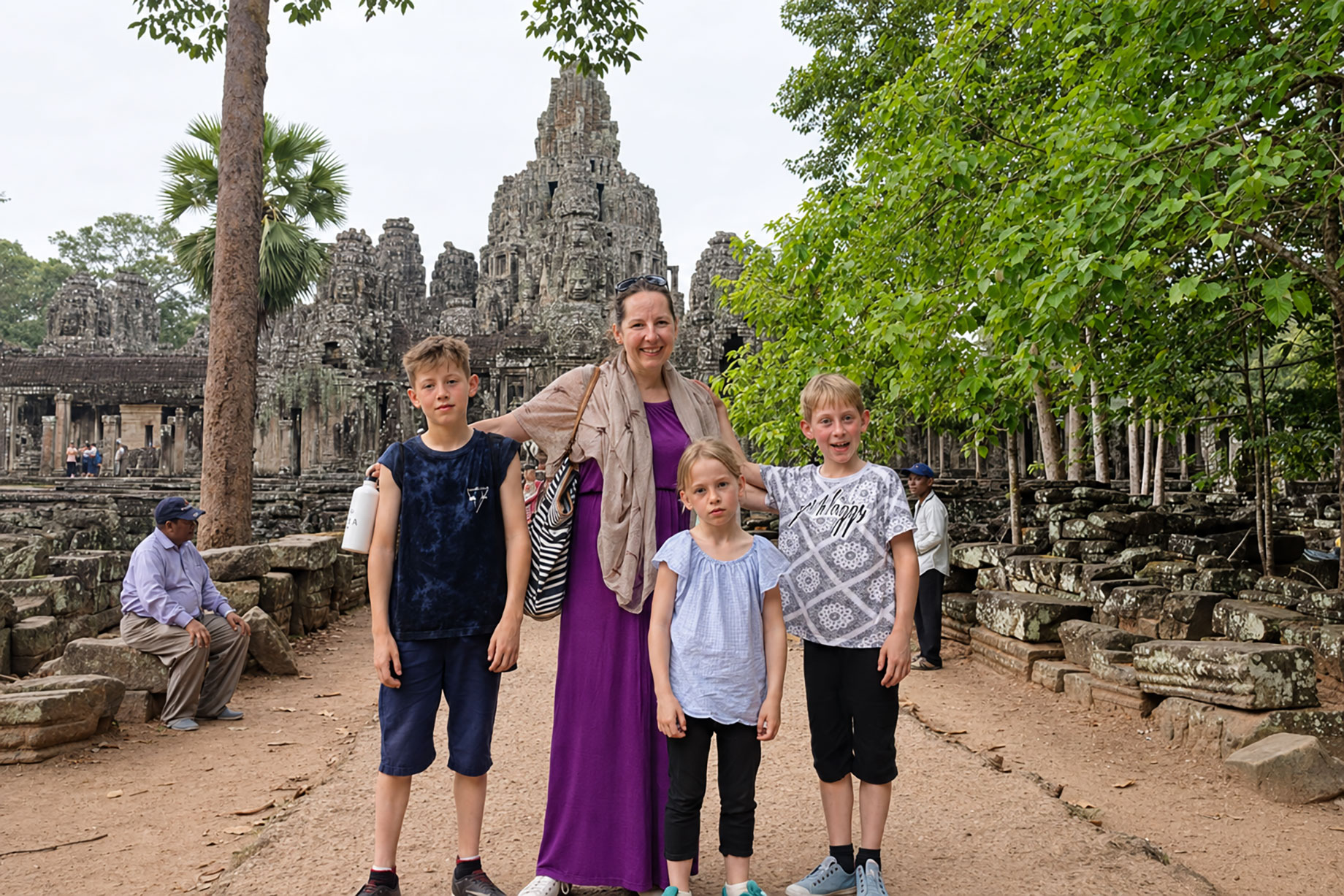
Angkor Archaeological Park near Siem Reap contains extraordinary reminders of Cambodia’s Khmer civilisation. Angkor Wat is celebrated for its monumental architecture and detailed carvings, while Bayon Temple features distinctive stone faces overlooking its surrounding galleries. Ta Prohm presents a different atmosphere, with enormous tree roots growing around historic structures. Each site reveals something about religious beliefs, royal ambitions, and architectural achievements. Travellers who allow sufficient time for exploration can appreciate these differences instead of rushing between temples simply to collect photographs of famous landmarks.
Exploring History Beyond Famous Monuments
Cambodia’s heritage extends beyond the Angkor temple complexes. Phnom Penh offers opportunities to understand the country’s royal traditions alongside its difficult modern history. The Royal Palace and Silver Pagoda reflect important cultural influences, while the Tuol Sleng Genocide Museum provides a sobering account of events under the Khmer Rouge. These experiences require different levels of emotional preparation. Families travelling with younger children should consider whether particular museums are age-appropriate. Combining cultural attractions thoughtfully creates a more balanced understanding of Cambodia without overlooking sensitive historical experiences.
Following Vietnam’s Changing Cultural Landscapes
Vietnam provides another perspective on Southeast Asian heritage through its cities, imperial landmarks, and traditional communities. Travellers comparing Vietnam travel packages can consider routes featuring Hanoi, Hue, and Hoi An. Hanoi’s Old Quarter reflects centuries of commercial activity, while Hue preserves important reminders of the Nguyen dynasty. Hoi An’s historic trading streets reveal architectural influences from several cultures. Each destination offers a different historical experience, making route selection important for visitors interested in understanding local traditions rather than simply moving between popular attractions.
Experiencing Life Along Historic Waterways
Waterways have influenced settlement, trade, and agriculture throughout Cambodia and Vietnam. Cambodia’s Tonle Sap Lake supports communities whose livelihoods remain closely connected to seasonal water levels. In Vietnam, the Mekong Delta offers opportunities to observe river transport, local agriculture, and waterside settlements. Boat excursions can reveal aspects of everyday life that are difficult to appreciate from major roads. However, travellers should choose responsible operators and avoid treating working communities as staged attractions. Respectful encounters allow visitors to understand how waterways continue shaping regional economies and cultural traditions.
Choosing Routes Around Available Time
Travelling between Cambodia and Vietnam requires more preparation than visiting attractions within one city. A short holiday may be better spent exploring Siem Reap and nearby heritage sites, while a longer itinerary could include Phnom Penh or selected Vietnamese destinations. Combining both countries involves checking international connections, border procedures, and transfer times. Malaysian travellers should avoid assuming that neighbouring destinations are always quick to reach. Planning around actual transport arrangements provides more time for sightseeing and reduces the frustration caused by overly ambitious itineraries.
Appreciating Local Customs And Traditions
Cultural understanding becomes especially important when visiting religious monuments and traditional neighbourhoods. At Cambodian temples, visitors should respect dress requirements and avoid climbing restricted structures. Vietnamese heritage sites may have similar expectations concerning clothing, photography, and appropriate behaviour. Local food also reflects distinct cultural influences, from Cambodian dishes featuring fragrant herbs to Vietnamese meals built around noodles and fresh vegetables. Travellers with dietary restrictions should confirm ingredients and preparation methods. Simple gestures of respect can make interactions more comfortable while supporting meaningful cultural exchanges.
Preparing For Weather And Practical Costs
Exploring ancient heritage sites requires different preparation from an ordinary city holiday. Angkor’s extensive temple grounds can involve prolonged walking, exposed courtyards, and limited shade during hotter hours. Travellers should carry drinking water, suitable sun protection, and footwear appropriate for uneven stone surfaces. Heritage excursions also benefit from careful ticket planning, particularly when visiting several monuments with different admission arrangements. Those combining Cambodia with Vietnam should account for separate transport connections and border requirements. Practical preparation leaves more attention available for understanding the landmarks themselves.
Conclusion
Ancient monuments become more meaningful when travellers understand the people, beliefs, and historical events behind them. Cambodia’s Khmer temples and Vietnam’s imperial cities offer opportunities to explore these connections through distinctive cultural landscapes. Visitors interested in heritage-led itineraries can examine destination options presented by dhesu.com before selecting their preferred sites. Rather than adding every famous monument to the schedule, travellers could prioritise experiences with knowledgeable local guides, allowing enough time for questions and thoughtful exploration of the history preserved at each location.