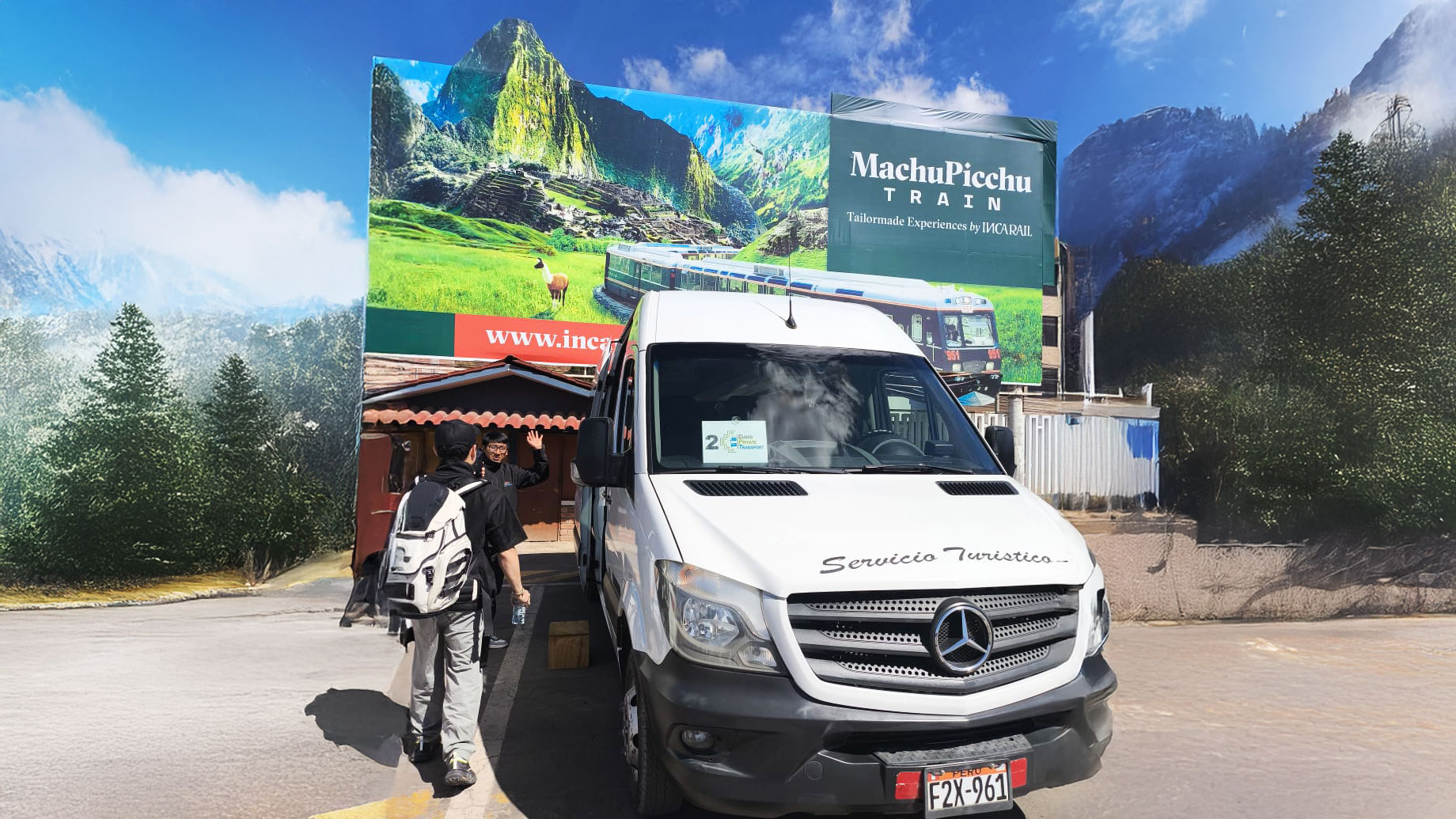
Reaching Machu Picchu is not just about getting from point A to point B—it’s a sequence of deliberate moves that can either feel like a chore or unfold as a relaxed adventure. Those who start their journey with a private transfer from Cusco to Ollantaytambo often find themselves in the second camp. The smooth handover from city streets to Sacred Valley highways removes the guesswork, leaving travellers free to take in the shifting scenery—red-tiled rooftops giving way to glacial peaks, terraces clinging to hillsides, and, occasionally, llamas grazing in places that feel frozen in time.
The rest of the trip follows an easy rhythm: a panoramic train ride through the Urubamba gorge, then a short uphill bus hop to the citadel itself. Done this way, visitors trade stress for anticipation, arriving rested instead of frazzled.
The Smartest First Step: Private Wheels over Public Chaos
Getting from Cusco to Ollantaytambo by public van is cheap, yes, but often a gamble. Colectivos idle until every seat is filled, which could mean waiting 20 minutes or an hour, and the ride itself zigzags through pick-ups and drop-offs. Travelers who would rather not gamble with tight train schedules have turned to private cars for a reason: predictability.
A direct car transfer takes about an hour and a half, sometimes a shade more if there’s a detour to admire valley viewpoints. Drivers familiar with tourist schedules arrange pick-ups to match train departures, something public options can’t promise.
Reputable services like Cusco Private Transport offer the usual comforts—door-to-door service, reliable vehicles, and English-speaking drivers—but also a few understated perks. Luggage can be stowed without worry, child seats are an option, and travelers can request unplanned stops at weaving cooperatives or roadside produce markets.
For those comparing costs, a private car for two to four people ranges US $40–60 per vehicle—not outrageous when split between companions, and far less exhausting than lugging bags through Cusco’s busy San Pedro Market just to find a colectivo.
If someone wants to secure transport quickly, private transport services in Cusco simplify it to a booking form and a fixed price—no haggling, no surprises.
The Scenic Heart of the Journey: Train to Aguas Calientes
The train leg isn’t simply a transfer—it’s an introduction to the Andes in motion. PeruRail’s Expedition and Vistadome services, along with Inca Rail’s Voyager and 360°, slide alongside the Urubamba River, their glass-paneled ceilings framing dawn’s first light on rugged peaks.
The earliest departure, the 05:05 Expedition from Ollantaytambo, is the ticket for early entry slots at the ruins. Most services take between 90 and 120 minutes to cover the 30–43 km stretch, depending on class. Travelers who can’t resist photos should sit on the left side heading to Machu Picchu, where the river snakes closest to the tracks.
Train Travel Pointers
- Buy early. In high season, seats disappear weeks in advance.
- Travel light. Baggage limits hover around 5–7 kg. Larger suitcases can stay with your driver.
- Watch the windows. The views—steep cliffs, emerald valleys, mist curling over rocks—are part of the experience, not just scenery.
The Last Climb: Consettur Buses to the Ruins
Aguas Calientes, officially Machu Picchu Pueblo, sits just below the site at 2,040 meters. From there, Consettur buses churn up and down the mountain all day. They run every 5–10 minutes, starting at 05:30 and finishing around 17:30. The ride takes 25–30 minutes uphill and about 20 down.
Tickets cost US $24 round-trip for foreigners, and passports are required—copies are turned away at the boarding gate. For those with a 06:00 or 07:00 entrance slot, standing in line before dawn is almost a ritual; the first buses often fill with hikers aiming to catch sunrise over the terraces.
A Sample Itinerary for the Organized Traveler
- 03:30 – Private car pick-up in Cusco, luggage stowed safely for the day.
- 05:05 – Train departs Ollantaytambo; early light flickers on the river below.
- 06:37 – Arrive in Aguas Calientes, buy bus tickets, maybe grab a quick coffee.
- 07:15 – Step through the citadel gates before the crowds swell.
- 13:00 – Back down to town for a long lunch—trout ceviche or quinoa soup along Avenida Pachacútec.
- 15:37 – Afternoon Vistadome train to Ollantaytambo, driver waiting at the station.
- 18:00 – Return to Cusco, just in time for pisco sours at a plaza-side bar.
Things International Travellers Should Keep in Mind
Altitude Matters
Cusco’s 3,400-meter elevation can be punishing if you just arrived by plane. Spending a night in Ollantaytambo first can help; it’s a gentler 2,792 meters, and Machu Picchu itself sits even lower at 2,430.
Documents & Tickets
- Always carry a physical passport; it’s checked at multiple points.
- Entrance tickets are time-slotted now, and enforcement is strict.
Packing Smart
Rain and sun trade places quickly in the cloud forest. A light rain jacket and hat are as essential as a camera. Pack light, as trains limit large luggage.
Safety & Comfort
The Sacred Valley route is generally safe, but private transport cuts down on time spent in busy terminals and avoids the erratic driving often reported on public minibuses.
Why Private Transport Wins Over Group Tours
- Freedom over rigidity. No fixed timetables or waiting for strangers who overslept.
- Door-to-door service. You start at your hotel and end exactly where you need to be.
- Cost efficiency for groups. A car split between three or four travelers often equals, or beats, the price of individual van tickets.
- Comfort and safety. Proper seat belts and reliable vehicles aren’t guaranteed in shared vans.
- Local insight. Many private drivers double as informal guides, pointing out Inca terraces or recommending hidden cafés you’d never spot on a bus.
For anyone who values control over their time, private transport from Cusco to Ollantaytambo sets the right tone for the whole trip. It’s a calmer, more deliberate way to begin what many consider the most memorable journey of their lives.
The Takeaway
Stringing these three pieces together—private car, train, and shuttle—transforms the trip into a smooth sequence rather than a logistical headache. Those who travel this way don’t just reach the ruins; they arrive in the best sense of the word—unhurried, rested, and ready to walk ancient stone paths where time itself seems to pause.