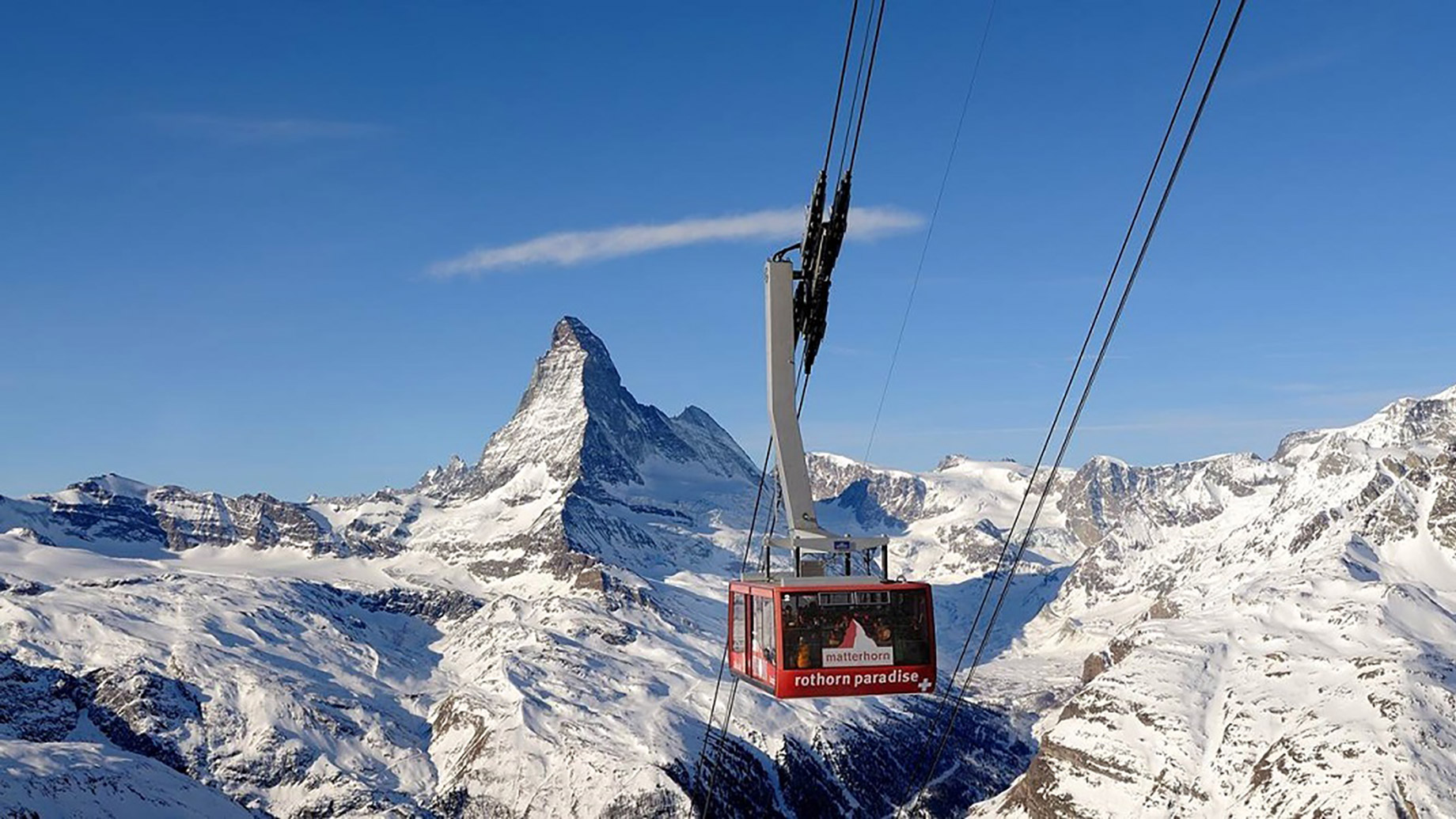
Switzerland is home to some of the most prestigious ski resorts in the world, and among them St. Moritz and Zermatt stand out as true alpine icons. Both destinations offer exceptional skiing, reliable snow conditions, and high-quality infrastructure, yet they appeal to different types of travelers and skiers. Choosing between St. Moritz and Zermatt is not simply a matter of slopes and lifts, but of atmosphere, lifestyle, and overall travel experience. The following comparison explores how these two legendary resorts differ, who they are best suited for, and how to reach them conveniently from major European cities.
St. Moritz: Alpine Elegance and Snow-Sure Skiing
St. Moritz, located in the Upper Engadine valley of Switzerland, is one of the world’s most iconic and historic ski destinations. Its reputation goes beyond skiing: it is synonymous with luxury, high-end hospitality, and a sophisticated international crowd. Skiers who choose St. Moritz often value a blend of challenging alpine terrain, well-groomed pistes, and refined après-ski options. The resort’s altitude and geography also contribute to reliable snow conditions throughout the season.
The ski area in St. Moritz includes multiple zones such as Corviglia, Corvatsch, and Diavolezza/Lagalb, offering a wide variety of runs suitable for intermediates and advanced skiers. Beginners will find gentle slopes and excellent ski schools, but the real draw for experienced skiers lies in the longer descents, off-piste possibilities, and panoramic mountain views. St. Moritz is also a destination for winter sports beyond skiing — including bobsledding, snow polo, and cross-country skiing.
Skiers who prefer a cosmopolitan resort with upscale dining, luxury shopping, and world-class infrastructure tend to favor St. Moritz. The resort’s culture is more about elegance and exclusivity, attracting returning guests as well as a clientele that appreciates fine hotels, Michelin-starred restaurants, and social events. While it may not have the highest vertical drop in the Alps, the diversity of terrain and the quality of piste maintenance make St. Moritz ideal for those who want a complete winter experience — mixing sport, comfort, and lifestyle.
Getting to St. Moritz
From Zurich:
Zurich is one of the most convenient gateways to St. Moritz. By train, the journey from Zurich Airport to St. Moritz takes approximately 3 hours and 15 minutes. Travelers typically take a train from Zurich Airport to Zurich HB (main station), then continue on a direct or connecting train through Chur and along the scenic Albula line. Costs for second-class tickets are usually in the range of CHF 60–90 one way, depending on booking time and Swiss rail pass options. There are also private transfer from Zurich to St Moritz and shuttle services; these can take about 3 hours by road and cost from around CHF 450–500 for a one-way transfer in a standard vehicle.
From Milan:
From Milan, the journey to St. Moritz is longer due to crossing from Italy into Switzerland and negotiating alpine passes. The most efficient public transport route is by train from Milano Centrale to Tirano, followed by the Bernina Express regional train to St. Moritz. Total travel time is roughly 4 hours to 4 hours 30 minutes. Ticket prices vary, generally around EUR 50–90 for the Italian segment plus Swiss regional fares. Driving independently takes about 3 hours 45 minutes to 4 hours 15 minutes, depending on traffic and weather, mainly via the SS36 to the Maloja Pass. Private transfer from Milan to St Moritz start around EUR 450 one way.
From Geneva:
The journey from Geneva to St. Moritz is the longest among the three cities. Train travel from Geneva Airport to St. Moritz typically requires two changes — often in Zurich or Bern and then Chur — and takes about 6 to 7 hours. Costs are generally CHF 90–130 one way for standard tickets, with variations based on advance purchase. Driving is also possible and takes approximately 6 hours under normal winter conditions, crossing Switzerland from west to east. Transfer services may charge CHF 900–1,200 or more for a private one-way ride.
Zermatt: Iconic Peaks and World-Class Skiing
Zermatt, nestled at the foot of the Matterhorn, is one of the most famous ski resorts in the Alps. Its dramatic mountain skyline and extensive ski terrain make it a dream destination for many winter sport enthusiasts. Zermatt’s ski area connects with Cervinia in Italy, creating one of the largest ski domains in Europe with pistes suitable for all levels, from gentle beginner runs to steep, challenging descents and high-altitude glacier skiing. The altitude and location guarantee an extended ski season, often from late autumn into spring.
The resort itself is car-free; visitors typically arrive by train and travel within Zermatt on foot or by electric taxis and buses. Skiers who choose Zermatt often prioritize varied terrain, impressive vertical drops, and the opportunity to ski on glaciers. Advanced and expert skiers particularly enjoy the off-piste opportunities and the long runs down from the Klein Matterhorn. Intermediate skiers benefit from a wide range of groomed pistes and efficient lift systems.
Zermatt caters to a broad international audience but retains a lively and energetic atmosphere. It combines traditional alpine charm with excellent nightlife, diverse dining options, and a strong focus on skiing quality. Families, couples, and solo travelers alike appreciate the balance between world-class skiing and the picturesque village environment.
Getting to Zermatt
From Zurich:
Traveling from Zurich to Zermatt by train is straightforward and scenic. The journey from Zurich Airport to Visp takes about 2 hours 45 minutes, with a change to the narrow-gauge Matterhorn Gotthard Railway for the final leg to Zermatt, which takes an additional 1 hour. Total travel time is around 3 hours 45 minutes to 4 hours. Swiss rail tickets typically cost around CHF 70–110 one way, depending on booking and class. By car, one drives to Täsch (the last point accessible by private vehicle) in about 3 hours 30 minutes to 4 hours, then takes a shuttle or taxi train to Zermatt for about 12 minutes. Private transfers vary but generally start from CHF 450–650.
From Milan:
From Milan to Zermatt by train, travelers usually go from Milano Centrale to Brig or Domodossola, then connect to Visp and continue to Zermatt. The total journey typically takes 3 hours 30 minutes to 4 hours. Ticket costs for the Italian section are typically EUR 30–60 plus Swiss domestic fares. Driving involves a route through the Simplon Pass and takes about 3 hours 30 minutes to 4 hours depending on conditions. Transfer from Milan to Zermatt start at approximately EUR 470 one way.
From Geneva:
Geneva to Zermatt by train requires a transfer in Visp or Bern and takes approximately 4 hours 30 minutes to 5 hours. Costs vary but typically fall in the CHF 80–120 range for one-way tickets. Driving from Geneva takes about 4 hours 30 minutes to 5 hours, again arriving at Täsch and transferring to Zermatt proper. Private transfer services are available in the CHF 900–1,300 range.
Comparing the Resorts
In summary, St. Moritz excels in luxury, elegance, and a diversified winter sports scene, appealing to travelers who want more than just skiing. Zermatt stands out for its extensive ski terrain, iconic mountain views, and high-altitude skiing — attracting those who focus primarily on the quality and challenge of the slopes. Travel to both resorts from major hubs like Zurich, Milan, and Geneva is convenient by train and road, though Zermatt’s car-free village adds a unique logistical step. Choice between the two depends on individual preferences: St. Moritz for refined alpine sophistication; Zermatt for iconic peaks and comprehensive skiing.