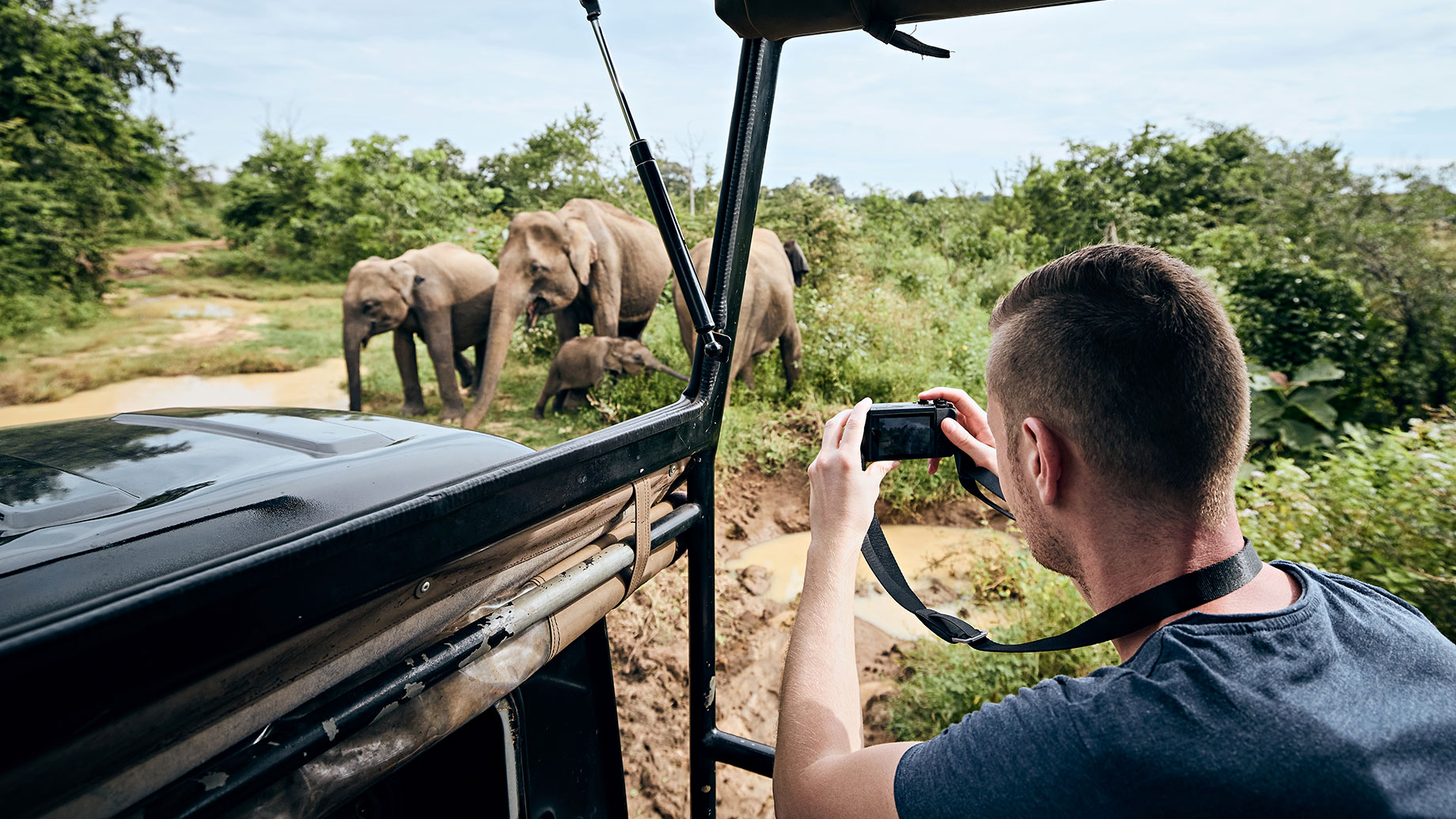
You’ve seen documentaries of the African wilderness and the wildlife that calls it home. But nothing compares to experiencing it in person. Safaris offer a mix of wildlife encounters, cultural moments, and landscapes that feel almost unreal.
For first-time travelers, Africa offers destinations that make the magic tangible and are the perfect introduction to safari adventures. From the sweeping plains of Kenya and Tanzania to South Africa’s Kruger National Park and private reserves—including the peaceful Timbavati Reserve—each location presents adventures that leave lasting impressions.
Kenya
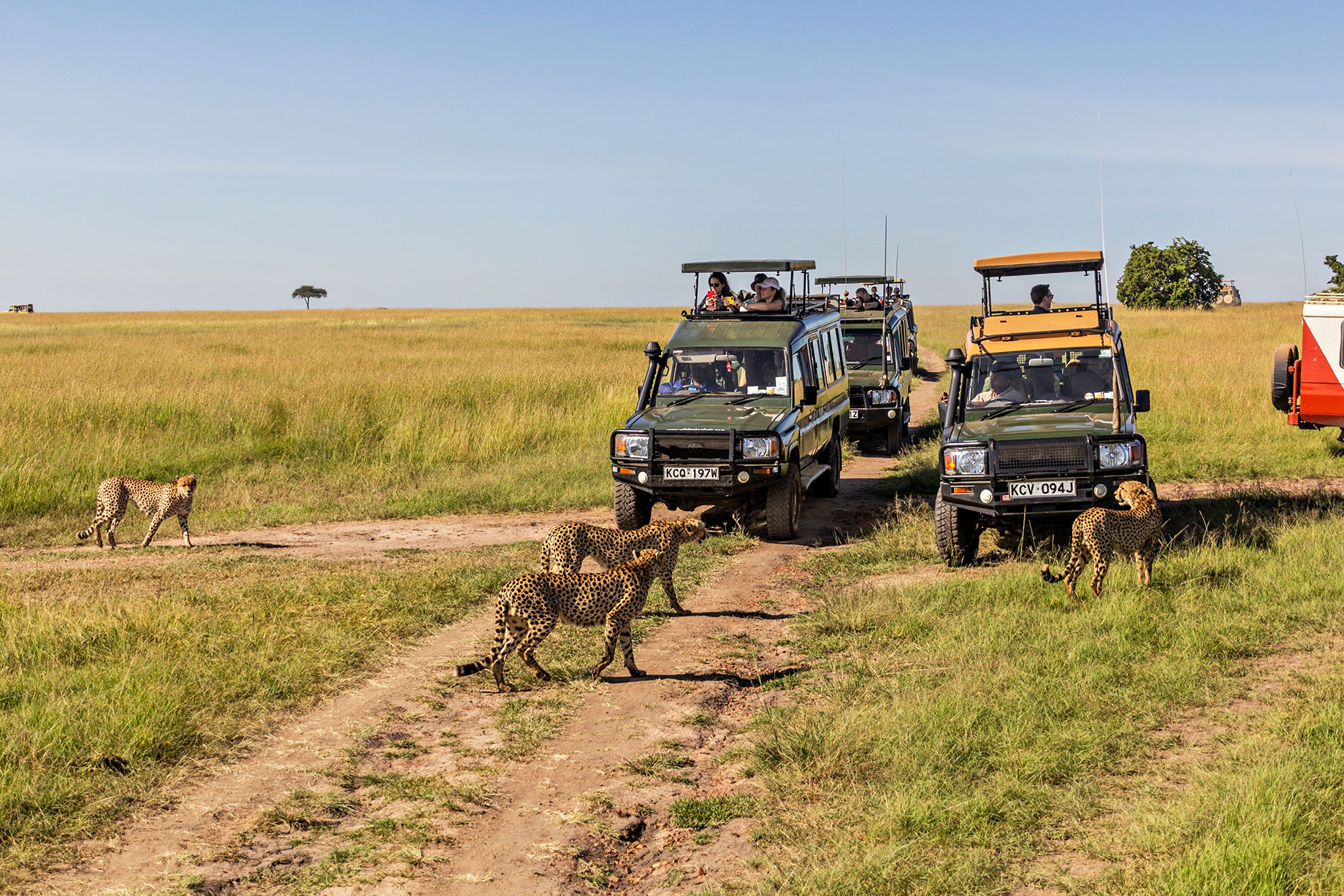
Kenya is world-renowned for the Great Wildebeest Migration, one of the most incredible events on nature’s calendar. Between July and October, over two million wildebeest, zebras, and gazelles move from Tanzania’s Serengeti to the Masai Mara. The herds navigate rivers teeming with crocodiles, producing a spectacle both thrilling and humbling.
The sight of thousands of animals moving in unbroken columns, splashing through water, and crossing open plains is unforgettable. Beyond the migration herds, the Masai Mara hosts lions, leopards, elephants, and cheetahs. Morning and evening game drives reveal a different side of the Mara, where soft light transforms the landscape and wildlife behavior is at its most dramatic.
First-time safari-goers can also experience local culture: visiting Masai villages or observing traditional ceremonies provides a glimpse into a way of life that has endured for centuries.
Tanzania
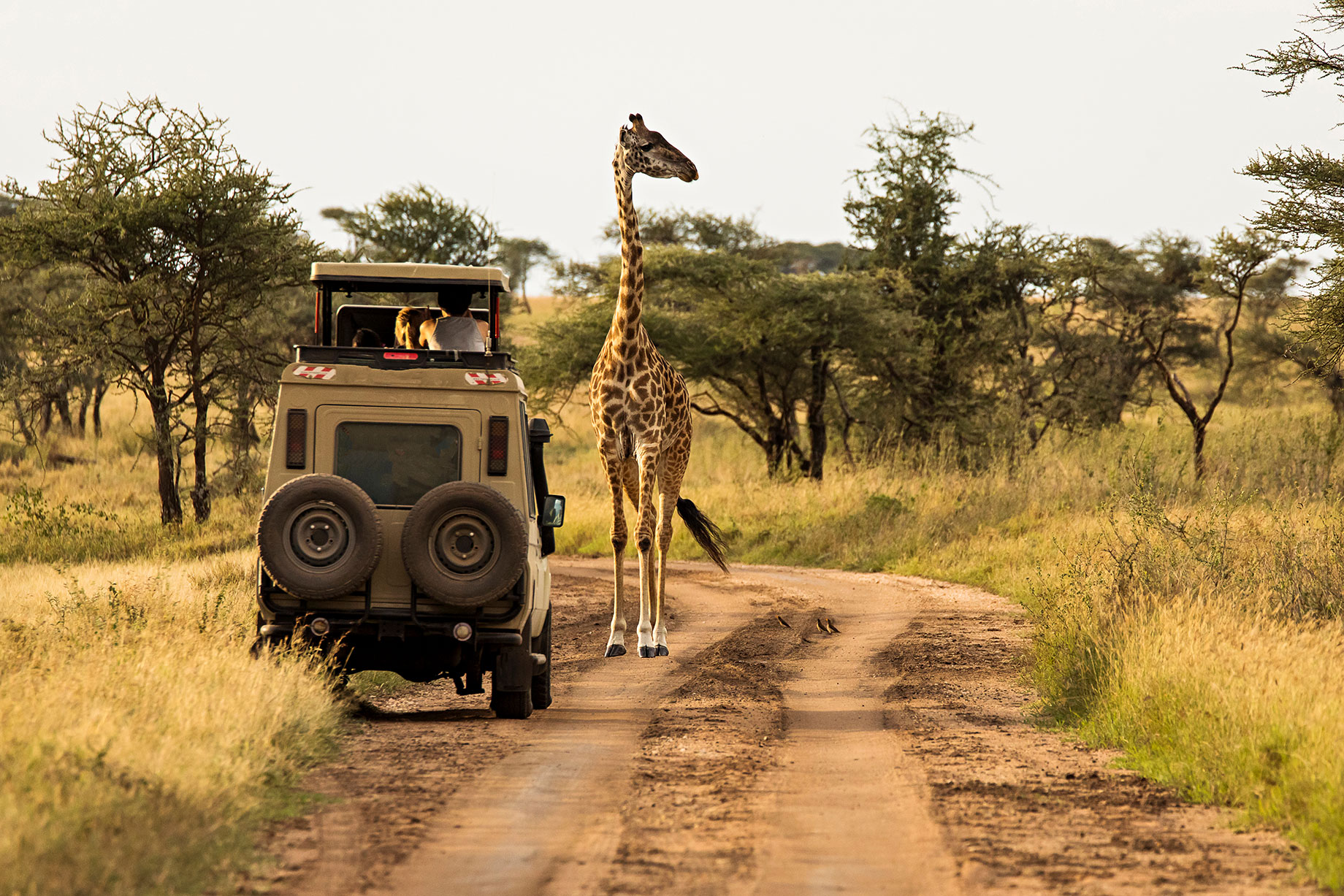
Tanzania shares the Great Migration with Kenya, yet it offers so much more. Serengeti National Park is home to some of Africa’s densest wildlife populations, where predators and prey coexist in wide-open savannah landscapes. Here it’s possible to watch a pride of lions relax under an acacia tree and cheetahs moving at speed across the plains.
Tanzania also offers different wildlife experiences away from the wide open grasslands. Near Lake Tanganyika in Mahale Mountains National Park, chimpanzees can be observed in their natural habitat during chimpanzee trekking safaris.
Add the Ngorongoro Crater with its dramatic walls and abundant wildlife, and you have a destination that perfectly balances adventure with calm, expansive beauty.
South Africa
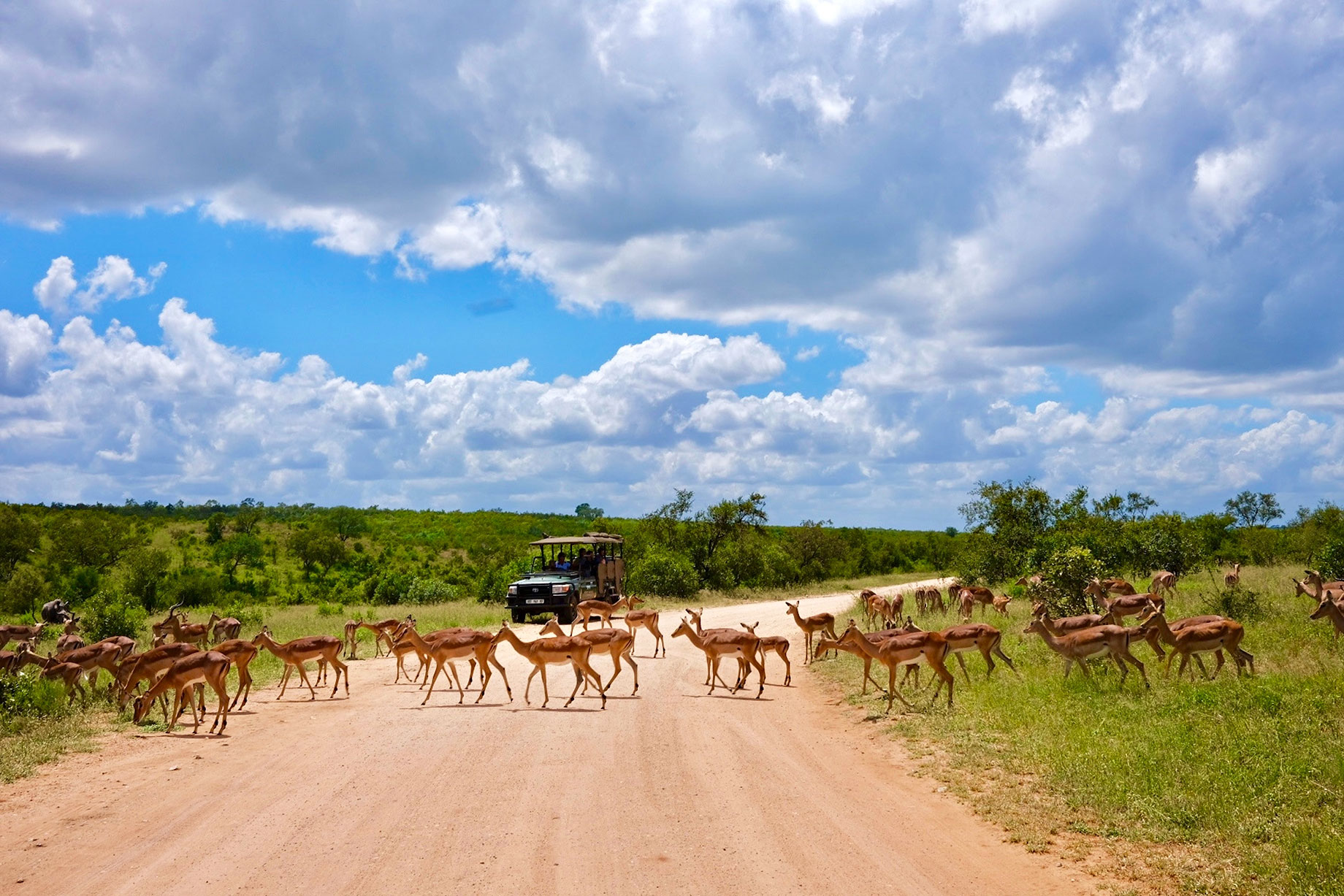
Kruger National Park is one of Africa’s most accessible safari destinations, ideal for first-timers eager to spot the Big Five (lions, leopards, elephants, rhinos, and buffalos). Its bushveld stretches for thousands of square miles, with its landscapes shifting from open plains to dense woodlands, making every game drive unique.
The Greater Kruger Area encompasses a number of exclusive private reserves, one being Timbavati, a Big Five destination famous for its luxury safaris. What sets private reserves apart from the national park is that in the private reserves, game lodges can conduct night game drives (incredible to see nocturnal animals) and guides can drive off-road during guided game drives.
Botswana
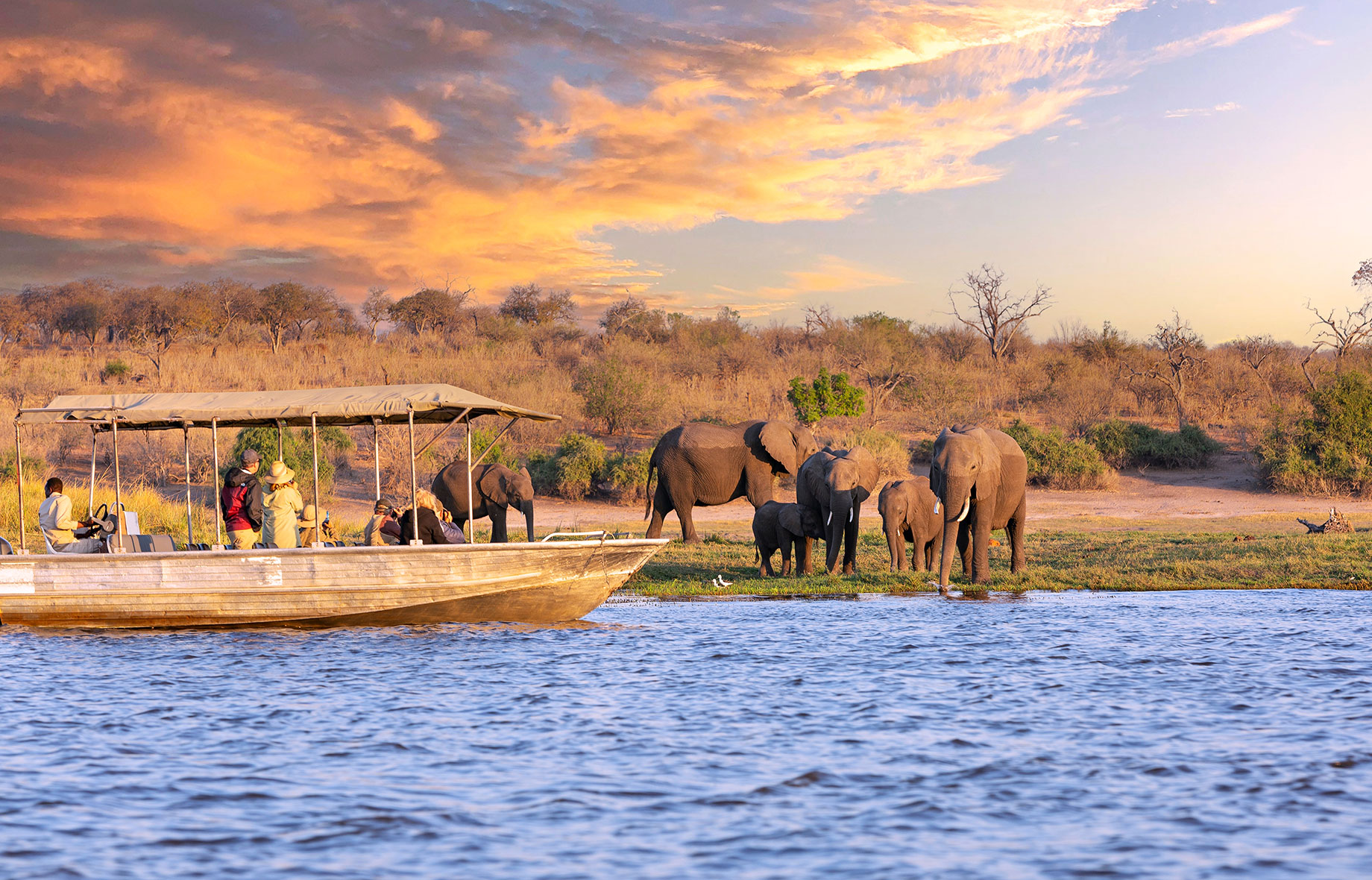
Botswana’s Okavango Delta is unlike any other safari destination. Seasonal floods shape a network of waterways, islands, and floodplains that are home to massive elephant herds and lion prides.
The safari experience here is intertwined with the landscape. Travelers can explore by 4×4 or glide silently through channels in a mokoro canoe, discovering smaller wildlife species at close range and in natural, undisturbed settings.
The rhythm of the delta—its ebb and flow with the seasons—makes each encounter feel organic and unhurried. Spaciousness and tranquillity define Botswana, allowing first-time safari-goers to immerse themselves fully in nature while enjoying a sense of calm and perspective.
Namibia
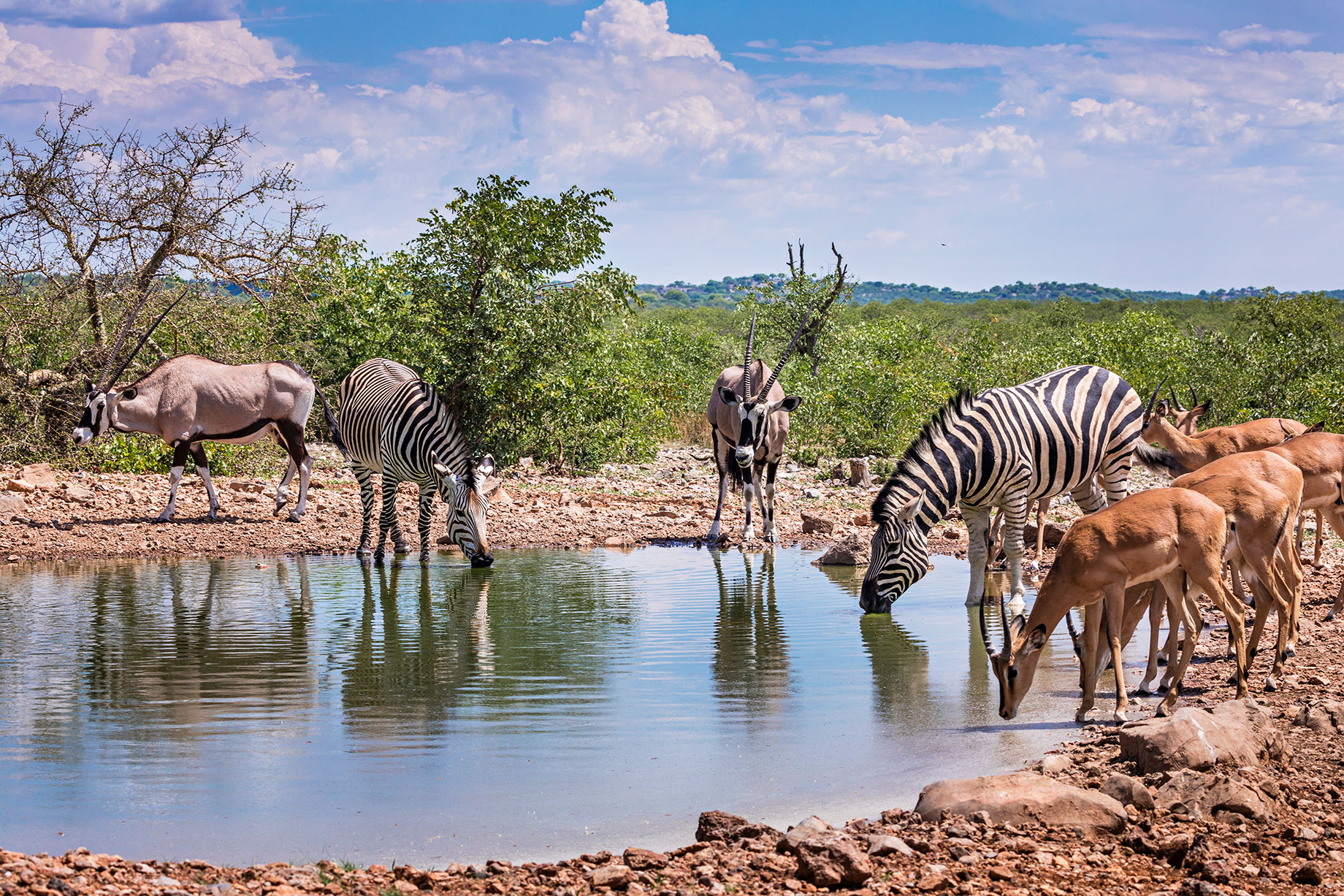
Namibia captivates with both dramatic landscapes and remarkable wildlife. Etosha National Park is a highlight, as it’s home to an impressive cheetah population and black rhinos.
Beyond the wildlife, Namibia’s deserts, salt pans, and sweeping horizons are unforgettable.
Sunrise over the dunes, shadows stretching across the plains, and the stark beauty of salt flats leave impressions that linger long after your visit. Namibia blends solitude, scale, and raw natural beauty, offering first-time safari-goers a humbling and inspiring introduction to Africa.
When to Go
The best months for African safaris are the dry winter months, generally between April and October (country dependent). This is when the vegetation in national parks and reserves dries out, making animals easier to spot. Watering holes also become scarcer, forcing wildlife to congregate around the few that remain.
Final Thoughts
Each destination offers a different experience—from Kenya’s dramatic river crossings to Namibia’s quiet, expansive plains. First-time travelers quickly realize that a safari is about more than seeing wildlife. It’s the soft rustle of grass underfoot, the sounds of nature all around, and mesmerising African sunsets.
These experiences linger. Africa leaves a mark through fleeting glimpses of wildlife, the calm of an early morning on a wide-open plain, and insights into local cultures that feel authentic and enduring.
For first-time safari-goers, having guidance can make all the difference. With the right resources, including those available through Discover Africa, travelers can plan trips that suit their interests, the season, and the type of wildlife they hope to encounter—whether in Kruger’s Timbavati Reserve or the waterways of Botswana’s Okavango Delta.
Every encounter—with animals, landscapes, or people—adds depth to understanding Africa’s extraordinary tapestry. For those venturing into this world for the first time, these five destinations provide a balanced, immersive introduction to the continent, leaving memories that remain vivid long after the journey ends.