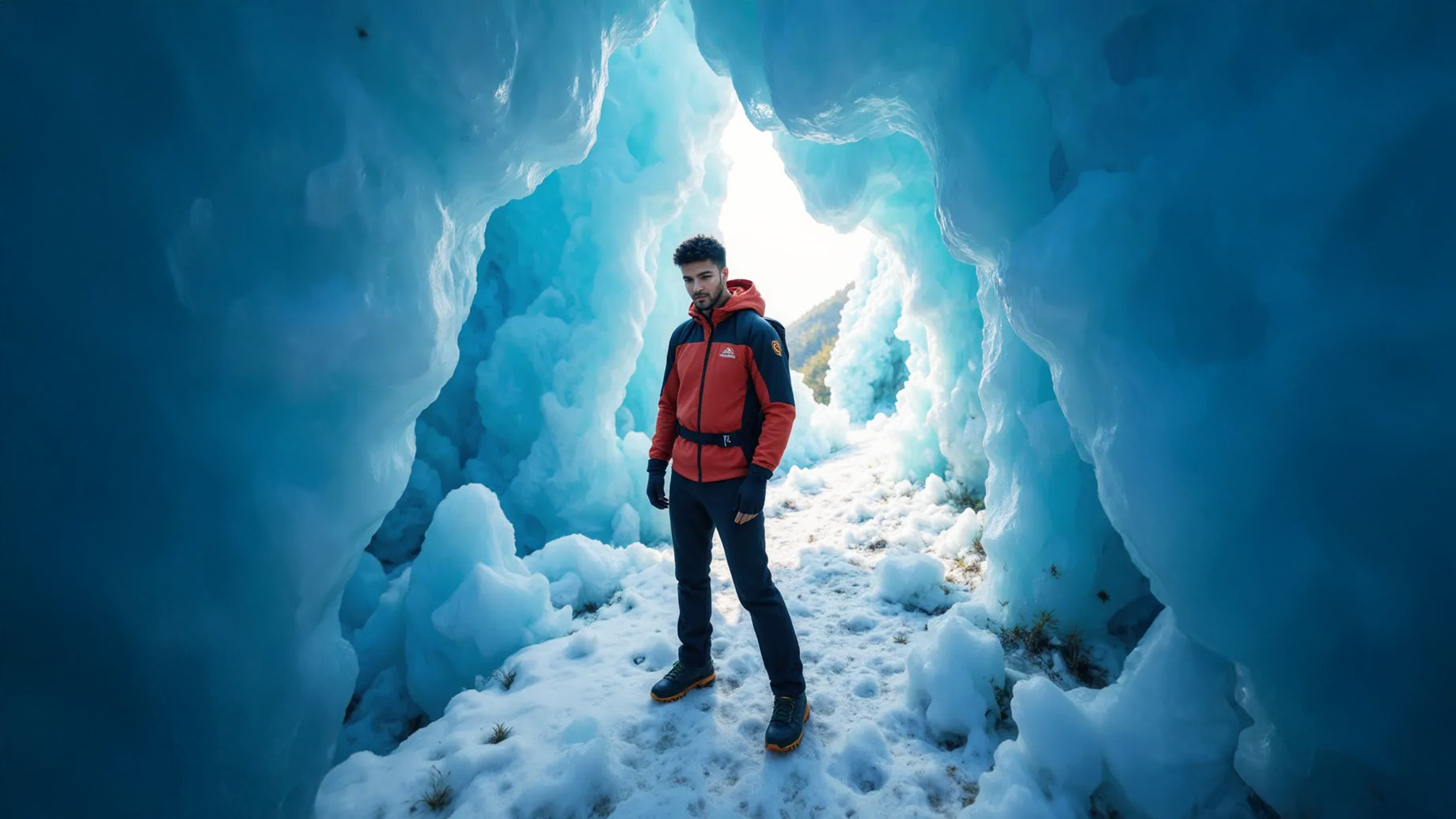
In a world where travel is often reduced to snapshots and timelines, Menajem Perez takes a very different approach. For him, each trip is not about collecting content or checking destinations off a list. It is about listening, feeling, and letting a place live inside him before turning it into art. His process is not about speed or output. It is about presence, memory, and reflection.
When Travel Begins Without a Camera
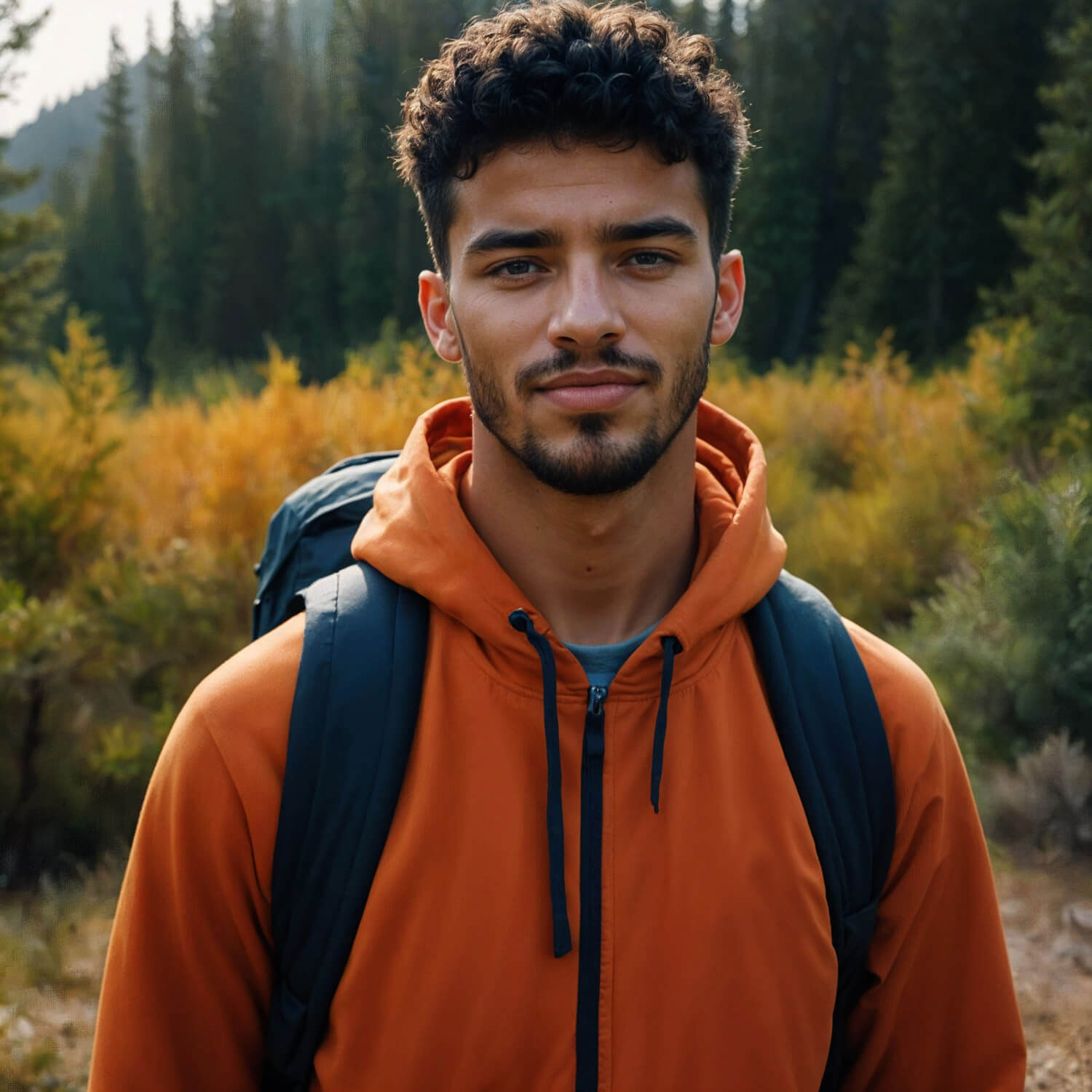
Menajem Perez doesn’t carry a camera with urgency. He doesn’t plan content in advance or look for trending visuals. He begins by walking. Whether he is crossing a glacier, exploring a village path, or watching the ocean from a quiet shore, he moves slowly and with intention. These walks are not part of a photoshoot. They are the beginning of something more personal. He observes how the environment speaks to him through wind, silence, light, and space. Often, he doesn’t document anything at all. He prefers to let the moment breathe.
By resisting the impulse to capture, Menajem Perez opens space to absorb. The experience is not filtered through a lens. It settles through the senses, and only much later does it become material for creative work. This delay between experience and creation is not accidental. It is a choice that gives time for emotion to shape the memory.
Creating from Memory, Not from Reference
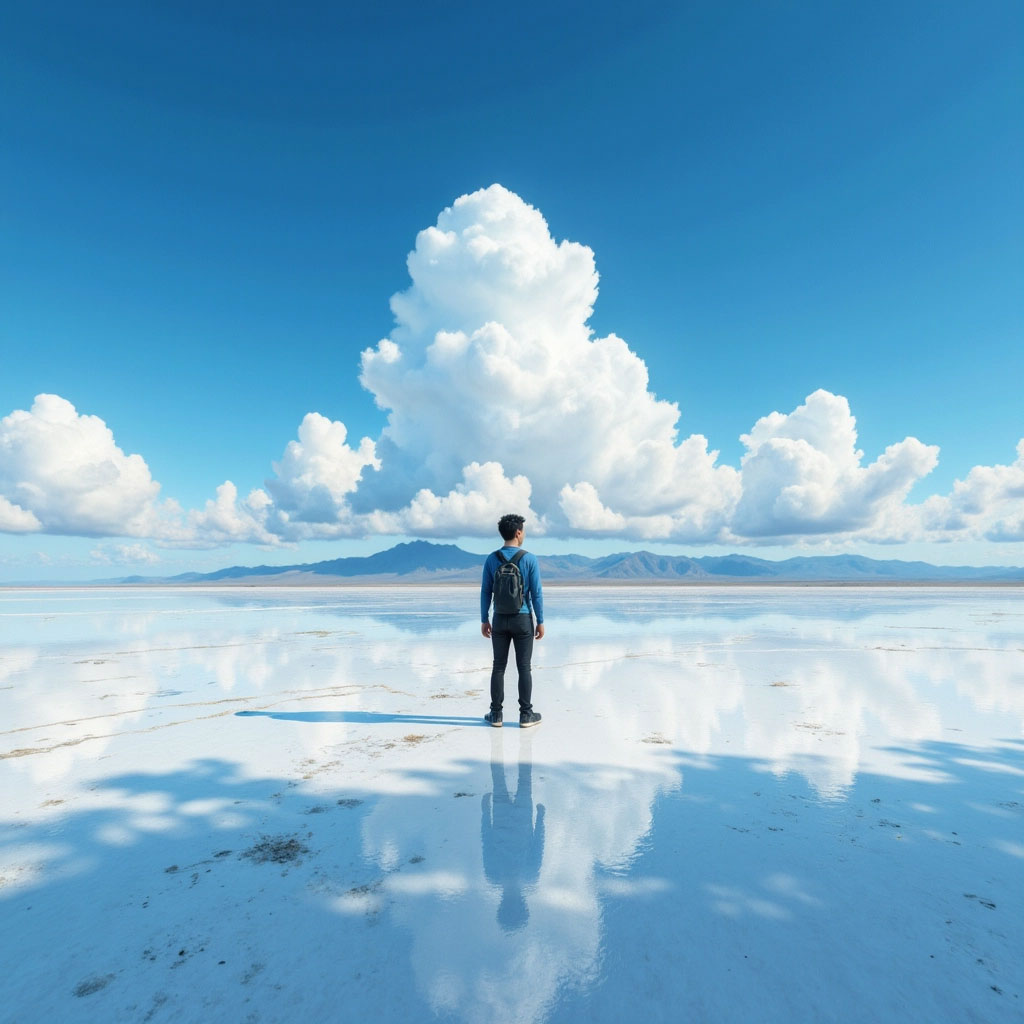
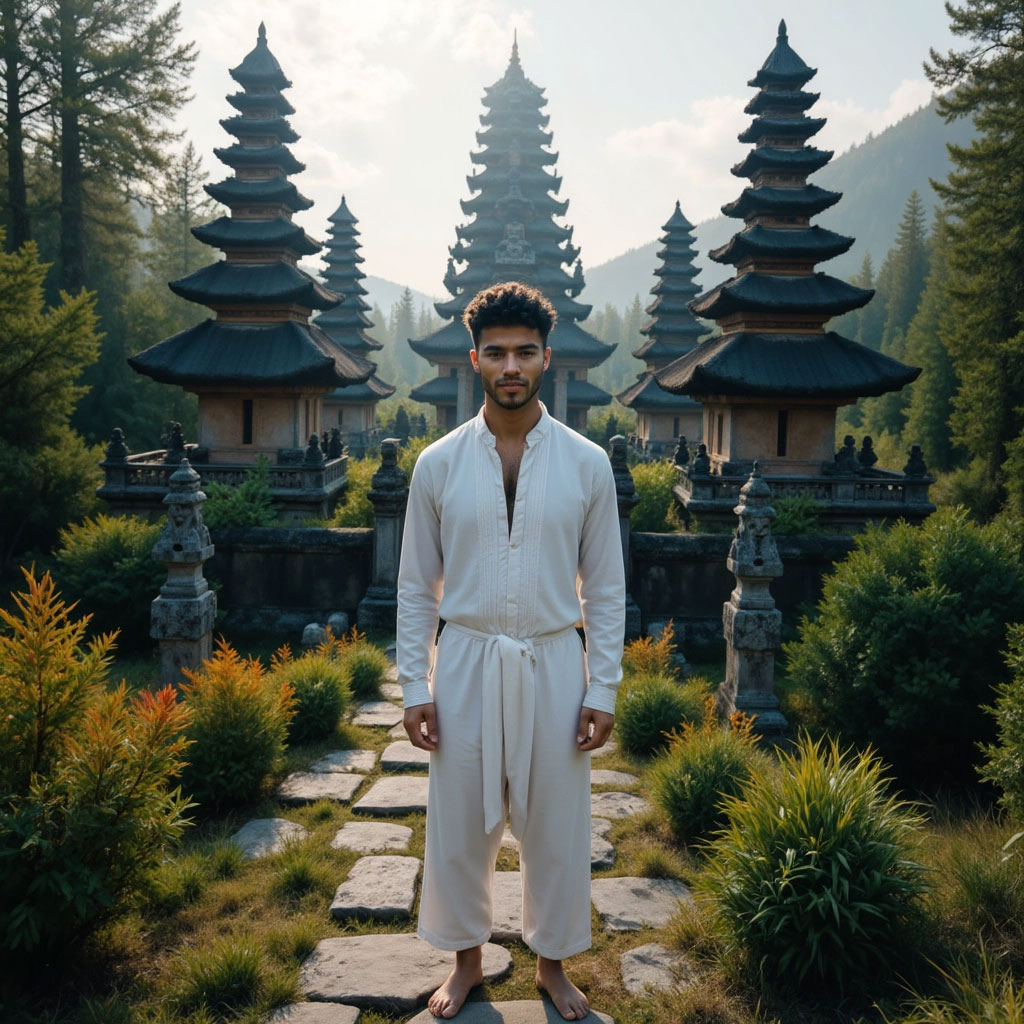
When the trip is over and the rhythm of the place has settled into his body, Menajem Perez begins to work. He uses artificial intelligence to build images that reflect how the moment felt, not how it looked. These are not documentary reconstructions. They are emotional echoes. A particular shade of blue might recall the quiet of a cold morning. A hazy texture might bring back the warmth of late afternoon sun.
Each piece is grounded in a real experience but shaped by time and thought. Instead of trying to replicate the scene with technical precision, Menajem Perez allows his memory to guide the composition. The result is not a literal landscape but something closer to an emotional landscape. The place becomes part of a conversation between inner and outer worlds.
Travel as an Act of Presence
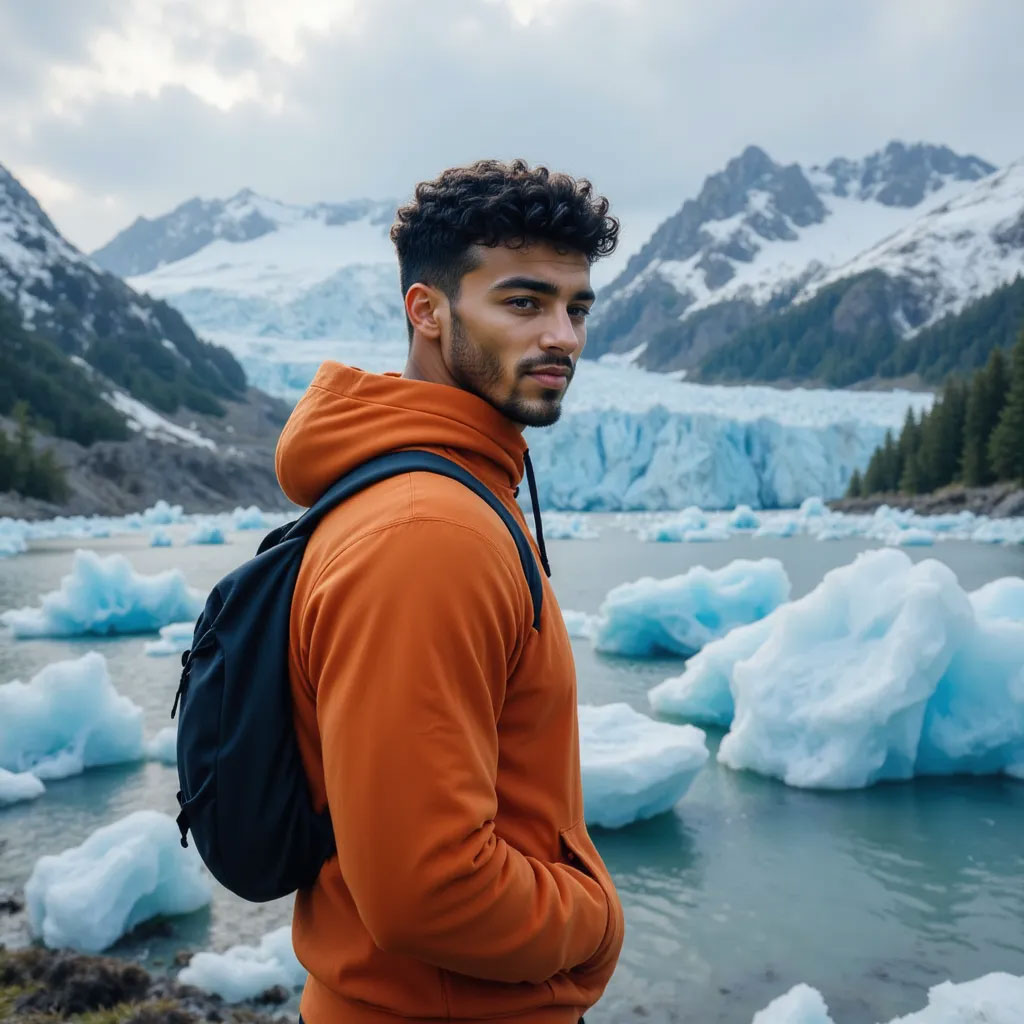
By separating the act of travel from the act of creation, Menajem Perez is able to give his full attention to both. While he moves through a place, he is not distracted by the pressure to capture or share. He is free to pay attention to what often goes unnoticed. Later, in the studio, he has the freedom to build from a deeper place of knowing. His art becomes not a record of where he has been but an expression of what stayed with him.
This method creates a rhythm that values presence over productivity. It turns travel into an act of listening and turns memory into a creative tool. The AI is not used to reproduce what happened. It is used to explore what the experience meant. In this way, Menajem Perez offers a path that many digital artists overlook. He works slowly, not out of resistance to technology, but because slowness allows him to be honest.
Technology as Interpreter, Not Director
Menajem Perez’s process is shaped by the tools he uses, but those tools are never in charge. The AI platforms he works with are not there to surprise him or fill in the blanks. They are there to respond to memory, to mood, to feeling. He does not start with prompts written in haste. He starts with sensations that linger: the heat of a rock under the sun, the hush of fog at dawn, the shape of shadows along a trail.
He refines, nudges, and reimagines the image until it feels right, not technically correct, but emotionally faithful. For Menajem, this is what technology is best suited for: not acceleration, but deepening. It helps him speak more clearly in a visual language that memory alone cannot render.

Why Slowness Matters in the Age of Fast Travel
Today, travel is often marketed as a race: more countries, more photos, more posts. We are encouraged to optimize our itineraries, book back-to-back activities, and share every moment instantly. In that world, Menajem’s process is quietly radical. He goes somewhere, stays present, and leaves without a trace of content—only to create something meaningful later.
This kind of slowness offers something algorithms can’t measure: a relationship with place, not just a record of having been there. It creates memories that are shaped by time and reflection, not by filters and captions. And when those memories return as images, they carry weight. They carry presence.
Menajem Perez’s work reminds us that we don’t need to chase the world to experience it. Sometimes, we just need to stay still long enough to let it speak.