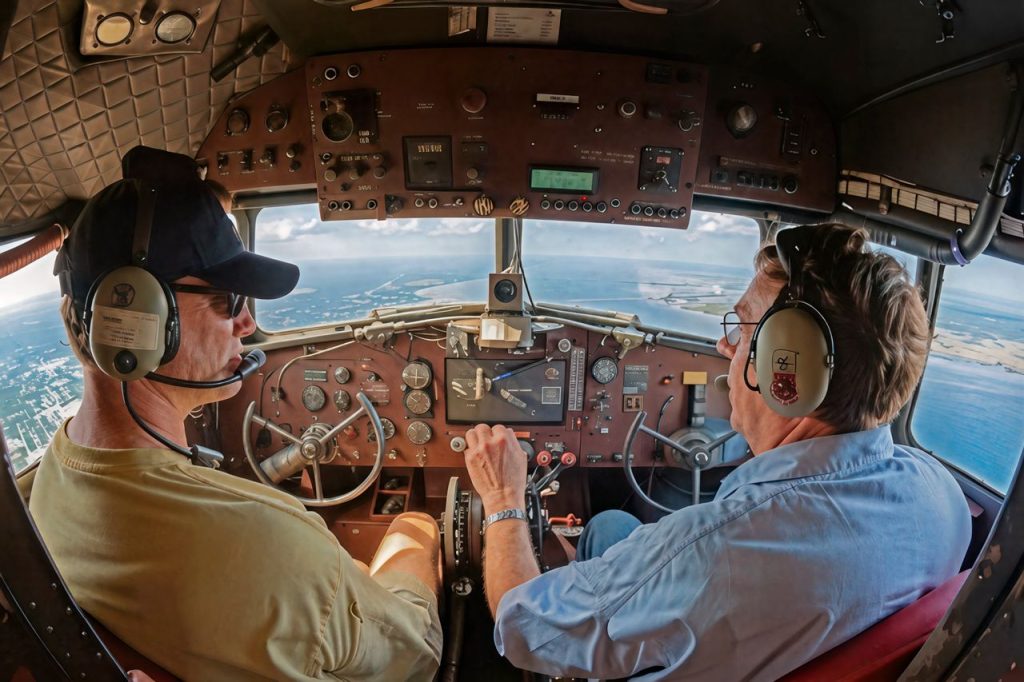
A small plane crosses the sky while you’re stuck in traffic on a Tuesday afternoon, and the thought shows up again: you could learn to do that. It happens to a lot of people. Some have wanted to fly since childhood, others are weighing a career change, and a few just saw a friend post a photo from a cockpit and wondered why it ever seemed out of reach.
Then the searching starts. You find certificates with unfamiliar names, hour requirements that change depending on who you ask, and schools that each promise something slightly different. A few tabs in, the idea that felt exciting starts to feel like homework with no instructions.
That gap between wanting to fly and knowing how to begin is where plenty of would-be pilots stall. It doesn’t have to go that way. The path is more orderly than it appears, and a handful of early decisions shape almost everything that follows. Below are seven things worth settling before you book a first lesson, so you start with a clear picture instead of a pile of open questions.
1. Know the Certificate Ladder
Pilot training in the United States works like a staircase. Each step builds on the one before it and unlocks something new.
- Private pilot certificate: The starting point. It lets you fly for personal travel and recreation and carry passengers, but not get paid to fly.
- Instrument rating: Added training that lets you fly in clouds and low visibility, relying on cockpit instruments instead of looking outside.
- Commercial pilot certificate: Allows you to be paid for flying. It requires more hours and a higher standard of precision.
- Multi-engine rating: Qualifies you to fly aircraft with more than one engine, which career pilots need.
- Flight instructor certificates: Let you teach others. Many pilots instruct to build hours toward an airline career.
- Airline transport pilot (ATP) certificate: The top certificate, required to captain a major airline.
You don’t need to decide today how far you’ll climb. Plenty of people stop at the private certificate and fly for the rest of their lives. What helps is knowing which step you’re aiming for, because that shapes everything from budget to schedule.
2. Understand Part 61 vs. Part 141
Pilot training in the U.S. falls under two sets of Federal Aviation Regulations, usually called Part 61 and Part 141. Both lead to the same certificates, and both end with the same practical test.
Part 61 is flexible. The instructor builds a syllabus around you, and you progress at your own pace. Part 141 schools follow a structured, FAA-approved curriculum with set stage checks, and that structure can lower the minimum hours required for some certificates.
Neither route is automatically better. A structured course suits people who like clear milestones. A flexible one suits people with unpredictable work schedules or those who want training tailored to them. Some schools write their own specialized syllabi within Part 61 to get a bit of both, so ask how a school actually runs its lessons.
3. Deal With the Medical Question Early
Before you spend serious money, find out whether you can hold an FAA medical certificate. Student pilots need one before flying solo, and commercial pilots need a higher class of it.
The exam is done by an FAA-designated Aviation Medical Examiner. It checks things like vision, hearing, heart health, and certain medical history. Many conditions don’t automatically disqualify anyone, but some require extra documentation or a special review, and that can take time.
Doing this early is cheap insurance. Imagine finishing half your training and then learning about a medical issue that could have been flagged in week one. A short appointment now protects both your time and your budget.
4. Build a Realistic Cost Picture
Flight training is a significant investment, and vague budgeting is where many students get hurt. The total isn’t one price tag. It’s a stack of smaller costs:
- Aircraft rental, usually billed per hour on the engine clock
- Instructor time, billed separately from the aircraft
- Ground instruction and training materials
- Written exam fees and the practical test (checkride) fee
- Headset, charts, flight bag, and other gear
- Medical exam fees
- Housing, if you’re training away from home
The FAA sets minimum flight hours for each certificate, but those are minimums, not averages. Many students need more time than the minimum, and the final number depends on how often you fly, how well you retain material between lessons, and how much weather interrupts your schedule.
One pattern is worth knowing. Students who fly twice a week or more often tend to finish with fewer total hours than students who fly once every two weeks. Long gaps mean you spend part of each lesson relearning what you’d already mastered, and you pay for those repeat hours.
5. Match the Pace to Your Life
Pilot training comes in two broad styles. Part-time training fits around a job, with lessons on evenings and weekends over many months. Full-time or accelerated training packs the learning into a concentrated stretch, often with the student relocating for the duration.
Part-time is gentler on finances and lets you keep earning. It also stretches the calendar and invites those costly gaps between lessons. Accelerated training keeps knowledge fresh and gets you finished sooner, but it asks for focus and, usually, time away from work and home.
Neither is the “serious” option. The right one depends on whether you can step away from your routine for a few weeks or months, and on how quickly you need the certificate to serve a career goal. If you’re aiming for an airline seat, a compressed timeline can matter. If you’re flying for the joy of it, there’s no prize for speed.
6. Don’t Underestimate Ground School
New students tend to picture hours in the air and forget that plenty of learning happens at a desk. Ground school covers aerodynamics, weather, navigation, airspace, regulations, aircraft systems, and flight planning. You’ll sit a written knowledge exam and later face an oral exam with an examiner before the flying portion of your checkride.
Some people find this part harder than the flying. Weather theory in particular can feel abstract until you’ve watched a front roll across the horizon from the cockpit. The best results come from blending the two: study a topic, then see it in the real world the same week.
Ask schools how ground instruction is delivered. Some pair it with flight lessons, some rely on online courses, and some offer both. Knowing which style helps you retain information will save frustration. Also ask where written exams are taken. A testing center close to your training location is one less trip to schedule.
7. Know What to Look for in a School
Once the basics are clear, you can start comparing schools with sharper questions. When you evaluate flight training programs, the brochure photos matter far less than a few practical details.
Instructor-to-Student Ratio
A flight instructor stretched across too many students can’t give each one steady attention. Ask how many students each instructor handles at once and how often instructors turn over. Continuity matters because every new instructor needs time to learn your habits.
Aircraft Availability
A school can have a large fleet and still leave students waiting if the planes are always booked or down for maintenance. Ask how far in advance you need to reserve aircraft and what happens when a plane goes out of service. Reliable scheduling is what keeps your hours efficient.
Location and Weather
Where you train affects how often you fly. Airports with clear skies for much of the year reduce cancellations. A quiet airport also means less time waiting in line to take off and more time practicing. A busy airport, on the other hand, teaches you to handle crowded airspace early, which has its own value.
Safety Culture
Look at how a school talks about safety. Good schools make it normal to cancel a flight when conditions aren’t right and encourage students to speak up without feeling pressured. Ask about maintenance practices and how the school handles aircraft inspections.
Honest Pricing
A good school will explain what’s included and what isn’t. Be wary of any quote that only shows the best-case flight hours. Ask for a breakdown that accounts for the likelihood of extra time, so you can plan for realistic costs.
Take a Discovery Flight First
Before committing to anything, book a discovery flight. It’s a short introductory lesson in which you sit in the pilot’s seat, with an instructor beside you, and handle the controls yourself. It costs far less than a full course and answers questions no article can.
Pay attention to how you feel. Are you comfortable with the motion? Do you enjoy the concentration it demands? Does the instructor explain things in a way that clicks? You’ll also get a feel for the airport, the aircraft, and the people running the operation. If you visit more than one school, the differences tend to show up quickly.
Plan Your First Steps
Starting flight training doesn’t require a perfect plan. It requires a few clear answers: which certificate you’re working toward, whether a medical certificate is within reach, what budget you can sustain, and what pace fits your life.
From there, the sequence is simple. Schedule your medical exam, take a discovery flight or two, and ask each school the practical questions listed above. Compare the answers side by side rather than relying on a first impression.
Becoming a pilot is a long project made of small, manageable steps. Settle the early questions properly and the rest of the journey gets far easier to follow, from the first lesson to the day you pass your checkride.