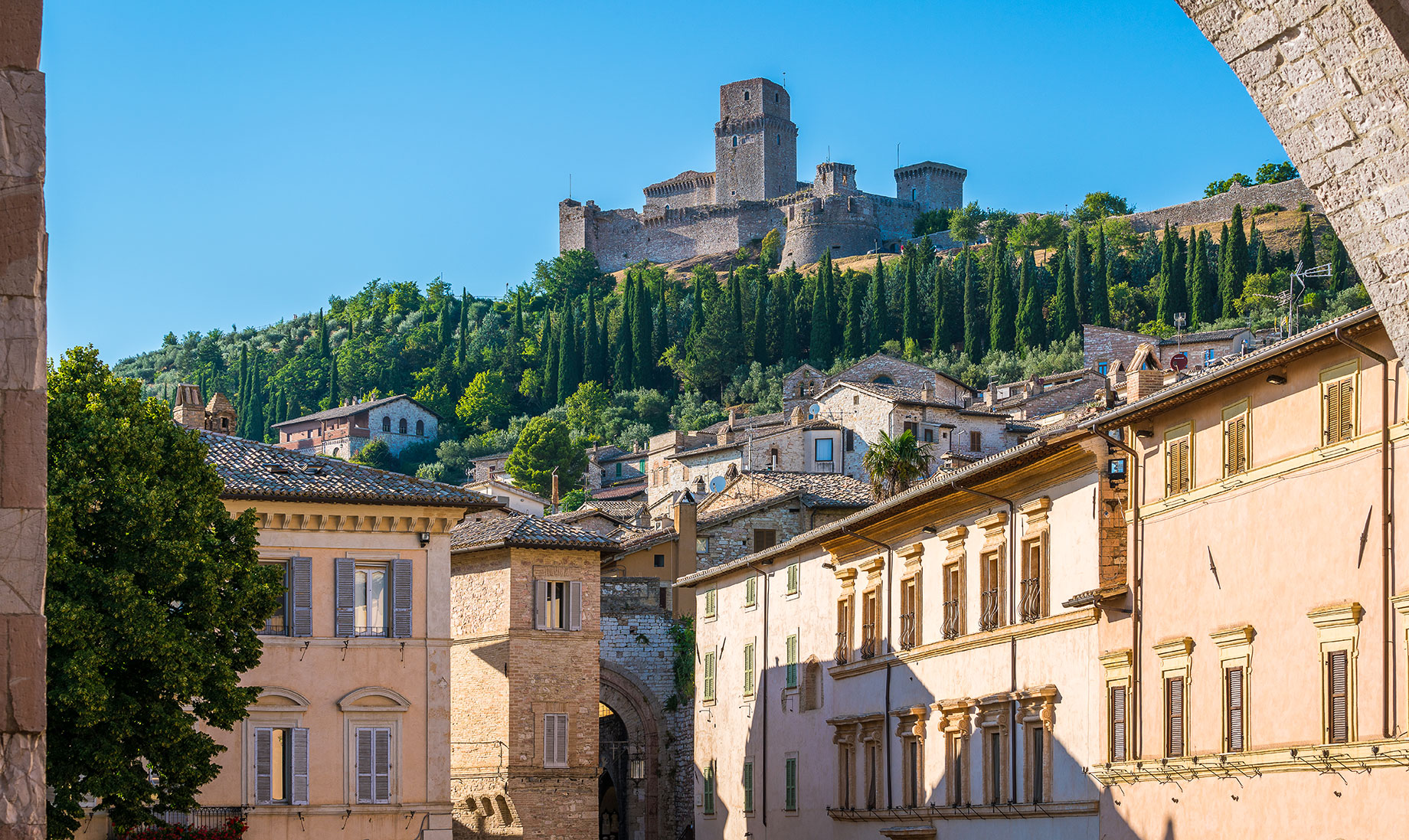
When people think of travelling to Italy, destinations such as Rome, Florence, Venice and the Amalfi Coast usually come to mind. However, just a few hours from these famous tourist hotspots lies a region that offers a completely different perspective on Italian culture and lifestyle: Umbria.
Often described as the green heart of Italy, Umbria is a land of rolling hills, medieval villages, historic cities, beautiful countryside and extraordinary food traditions. Less crowded than some of Italy’s most famous destinations, it is an ideal choice for travellers looking for authentic experiences, cultural discoveries and a slower pace of life.
A Journey Through Medieval Towns and Historic Landscapes
One of the greatest attractions of Umbria is its remarkable collection of historic towns. Built on hilltops and surrounded by olive groves and vineyards, these destinations preserve centuries of history, architecture and local traditions.
Assisi is undoubtedly one of the region’s most famous destinations. Known worldwide as the birthplace of Saint Francis, this UNESCO World Heritage Site attracts visitors interested in religious history, medieval architecture and Italian art.
The magnificent Basilica of Saint Francis is the town’s main landmark. Its extraordinary frescoes, including works traditionally associated with Giotto, make it one of the most important artistic destinations in Italy. However, Assisi has much more to offer than its famous basilica. Walking through its narrow stone streets, discovering hidden squares and admiring panoramic views of the Umbrian countryside are experiences that make a visit particularly memorable.
Other towns deserve a place on any Umbrian itinerary. Perugia, the regional capital, combines medieval architecture, historic monuments and a lively cultural atmosphere. Orvieto is famous for its impressive Gothic cathedral and underground city, while Spello charms visitors with its flower-filled streets and picturesque stone houses. Spoleto, Gubbio and Bevagna also offer fascinating insights into the region’s history and traditions.
Why Explore Umbria with a Local Tour Guide?
Although exploring independently can be enjoyable, discovering a destination with a knowledgeable local guide can transform an ordinary sightseeing experience into something much more meaningful.
Umbria has a complex history shaped by the Etruscans, Romans, medieval city-states and religious traditions. Many of its most interesting details are not immediately visible to visitors. A local guide can explain the stories behind historic buildings, introduce lesser-known landmarks and provide valuable context about the people and events that shaped the region.
In Assisi, for example, understanding the relationship between Saint Francis, Saint Clare and the medieval town helps visitors appreciate the significance of its churches, monuments and religious heritage.
Private walking tours are particularly suitable for couples, families and small groups who prefer a more personal experience. They allow travellers to explore at their own pace, ask questions and focus on the aspects of history and culture that interest them most.
Travellers planning their stay can discover a selection of guided tours and authentic experiences in Umbria, including cultural visits, food and wine experiences and outdoor activities in some of the region’s most beautiful destinations.
Assisi: Discover the Town with an Official Local Guide
For first-time visitors to Umbria, a guided walking tour of Assisi is an excellent starting point.
A well-organised visit usually includes three of the town’s most important landmarks: the Basilica of Saint Clare, the ancient Roman Temple of Minerva and the Basilica of Saint Francis.
The Basilica of Saint Clare is dedicated to one of the most important figures in Franciscan history. Its distinctive pink and white stone façade and peaceful interior provide an introduction to the spiritual heritage of the town.
In the main square, Piazza del Comune, visitors can admire the Temple of Minerva, an exceptionally well-preserved Roman monument dating back to the first century BC. Its transformation into a Christian church is a fascinating example of how different historical periods have shaped Assisi.
The final highlight is the Basilica of Saint Francis, famous for its Upper and Lower Churches and its extraordinary artistic decoration. The frescoes depicting episodes from the life of Saint Francis are among the most significant works of medieval Italian art.
Visitors interested in discovering these landmarks can consider an Assisi private walking tour with an official guide. This approximately two-and-a-half-hour experience offers an opportunity to explore the historic centre with a qualified local professional who can bring the town’s history, art and traditions to life.
Beyond Sightseeing: Food, Wine and Local Traditions
No trip to Umbria would be complete without discovering its culinary heritage.
The region is particularly famous for extra virgin olive oil, locally produced wines, truffles, cured meats, cheeses and traditional pasta dishes. Montefalco, for example, is renowned for Sagrantino wine, one of Italy’s most distinctive red wines. Visitors can explore local wineries, meet producers and enjoy tastings surrounded by vineyards.
Olive oil is another essential part of Umbrian culture. Visiting a traditional olive mill provides an opportunity to understand the production process and appreciate the differences between high-quality extra virgin olive oils.
Food experiences are also a wonderful way to connect with local communities. From traditional restaurants to small family-run producers, the region offers countless opportunities to discover authentic Italian flavours.
Planning Your Trip to Umbria
Umbria is an excellent destination throughout much of the year. Spring and autumn are particularly attractive for walking tours and outdoor activities, thanks to pleasant temperatures and beautiful landscapes. Summer brings lively festivals and cultural events, while winter offers a quieter atmosphere in the historic towns.
The region is also well positioned for travellers exploring central Italy. It can easily be combined with visits to Tuscany, Rome and other nearby destinations, making it an interesting addition to a longer Italian holiday.
Whether you are interested in medieval history, religious heritage, architecture, gastronomy or simply discovering beautiful Italian villages, Umbria offers a remarkable variety of experiences.
For travellers who want to go beyond the usual tourist routes and discover a more authentic side of Italy, this beautiful region is certainly worth exploring.