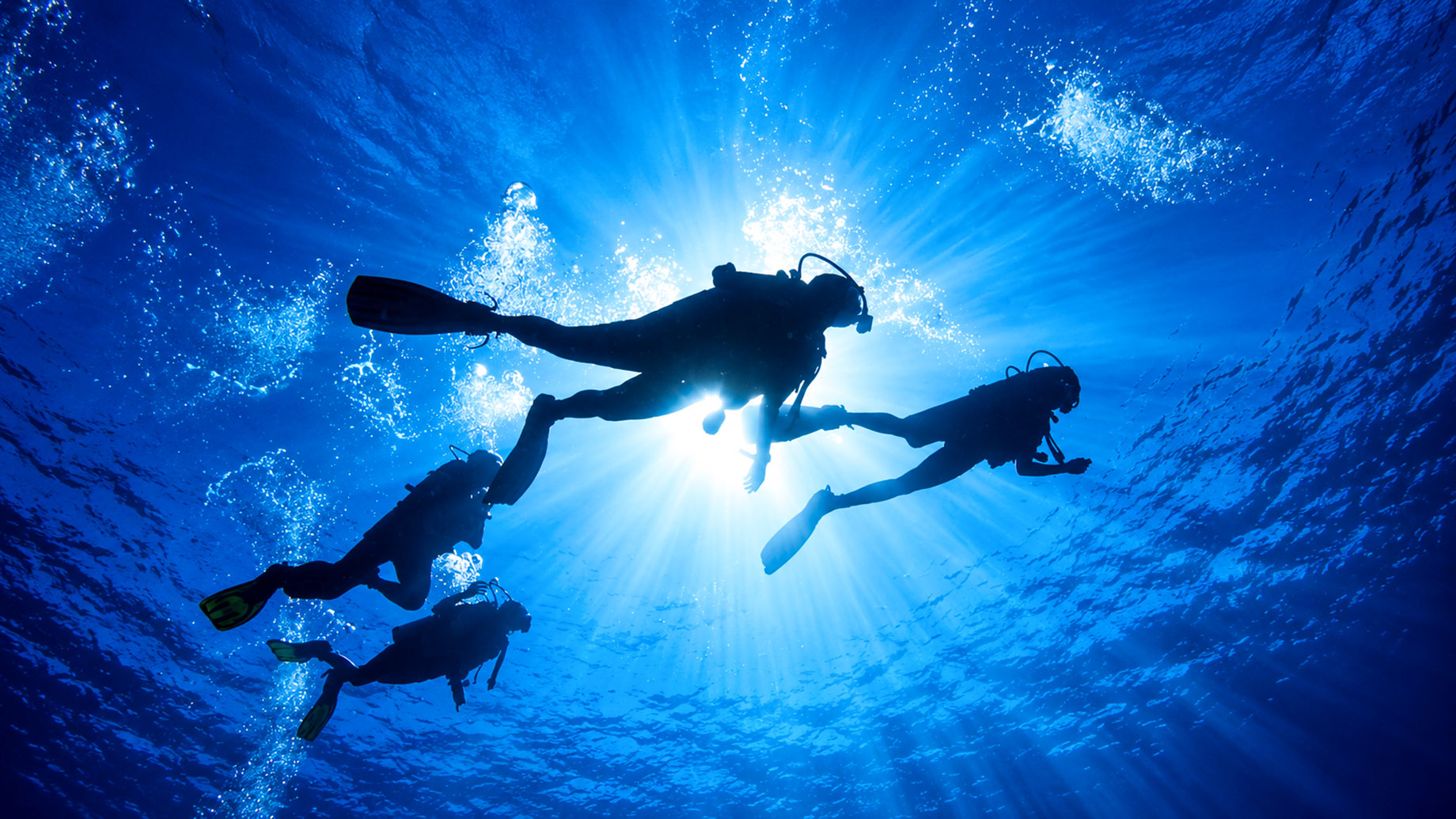
Abu Dhabi usually makes the travel list for reasons that sit well above the waterline. The Sheikh Zayed Grand Mosque, Louvre Abu Dhabi, the Form ula 1 circuit on Yas Island, and long stretches of white beach tend to fill an itinerary on their own. Scuba diving rarely gets a mention, and plenty of visitors do not realize it is even an option.
It is, though, and that leaves a fair question for anyone who packs a dive log with their sunscreen. Is diving in Abu Dhabi actually worth the time, or is it something to skip in favor of the pool? The short version is that it depends on who is asking. A first-timer and a diver with 200 logged dives will come away with very different opinions, and both of them will have a point.
What Is Diving in Abu Dhabi Like?
Diving in Abu Dhabi means diving in the Arabian Gulf, and the Gulf has a personality of its own. It is shallow, warm, and mostly sandy, with patches of reef, a few wrecks, and man-made structures that have turned into homes for fish over the years. There are no dramatic drop-offs or deep walls here. Most trips are short boat rides from the city or its islands, and a typical outing fits comfortably into a morning. That makes it an easy add-on to a city break, which is exactly how most people end up trying it.
The marine life matches the setting. The Gulf swings from cool in winter to very hot in summer, and the animals that live here have adapted to both. Divers can expect schools of reef fish, rays resting on the sand, the occasional turtle, and hard corals that cope with temperatures that would trouble reefs elsewhere.
Types of Dive Sites in Abu Dhabi
The list of named sites is short, but it has more variety than most visitors expect, and it falls into three rough groups.
Reefs
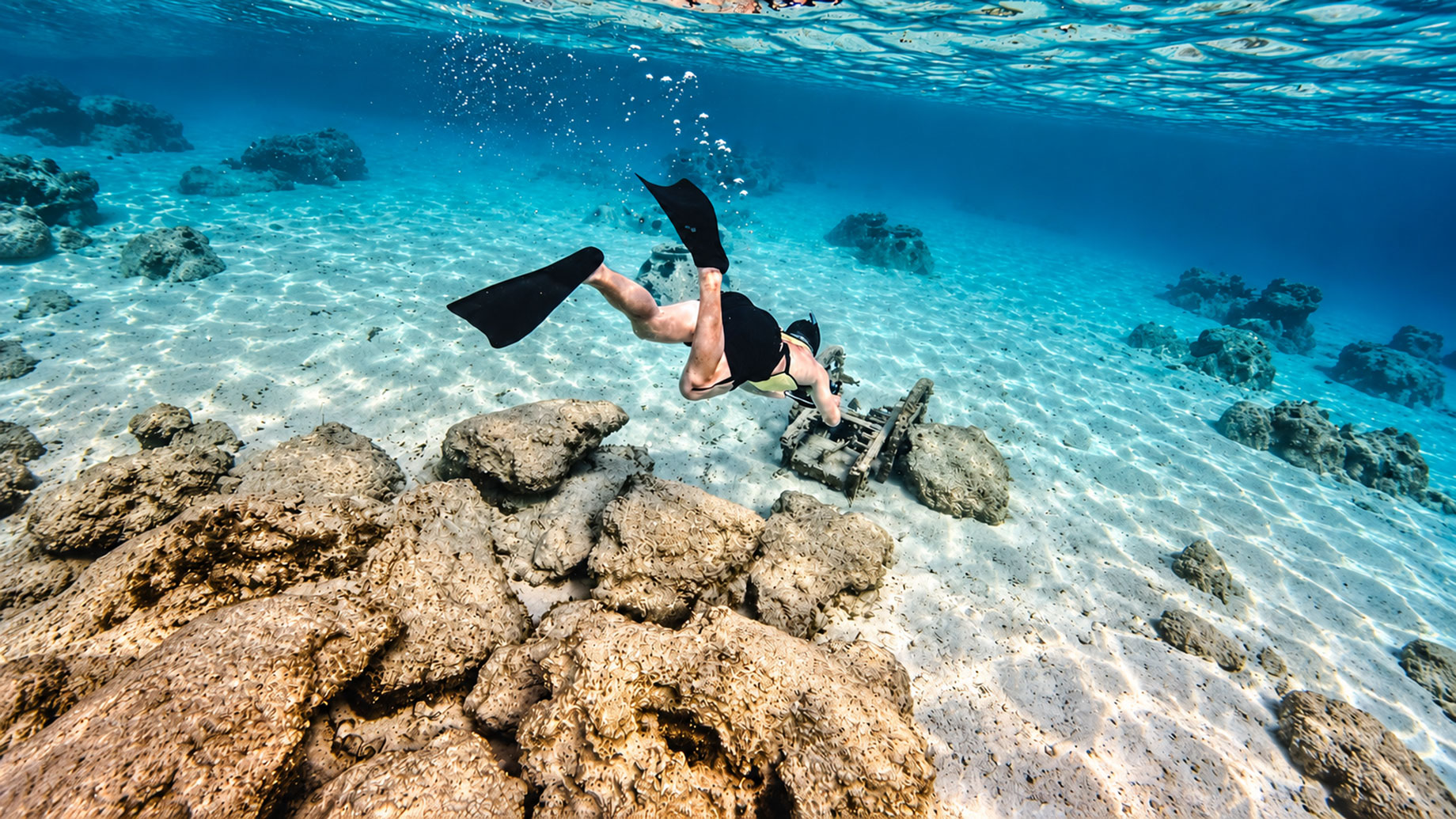
Saadiyat Reef sits inside a marine protected area and is often described as an easy dive for open water divers. Further out, Red Buoy lies around 19 kilometers off the coast and is known for healthy fish life and visibility that can reach about 11 meters on a good day.
Wrecks
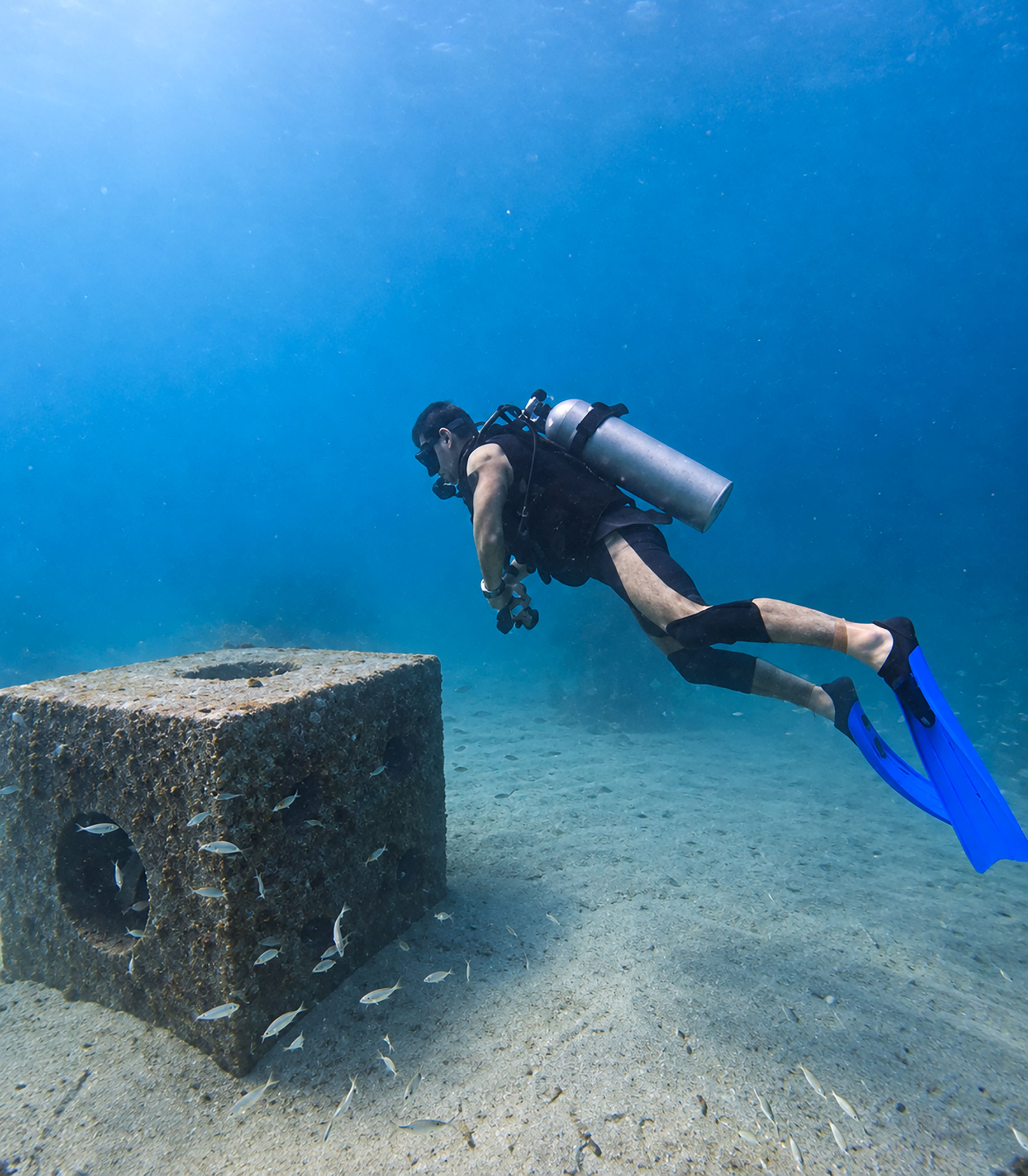
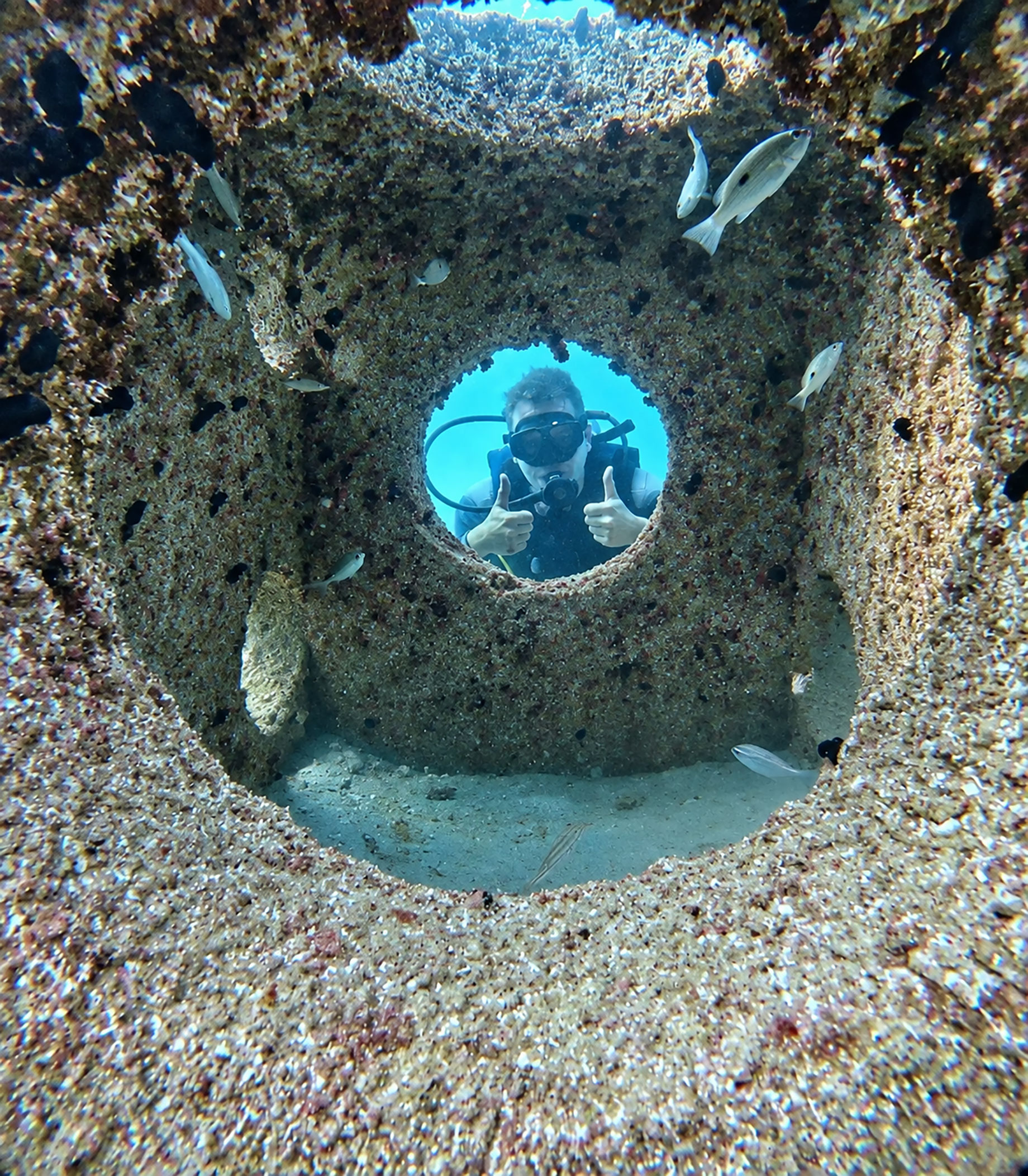
The Old Cement Barge is a shallow wreck where the original cargo of cement bags can still be seen on the seabed. It is a simple dive, but it gives newer divers a first taste of exploring a structure underwater.
Islands
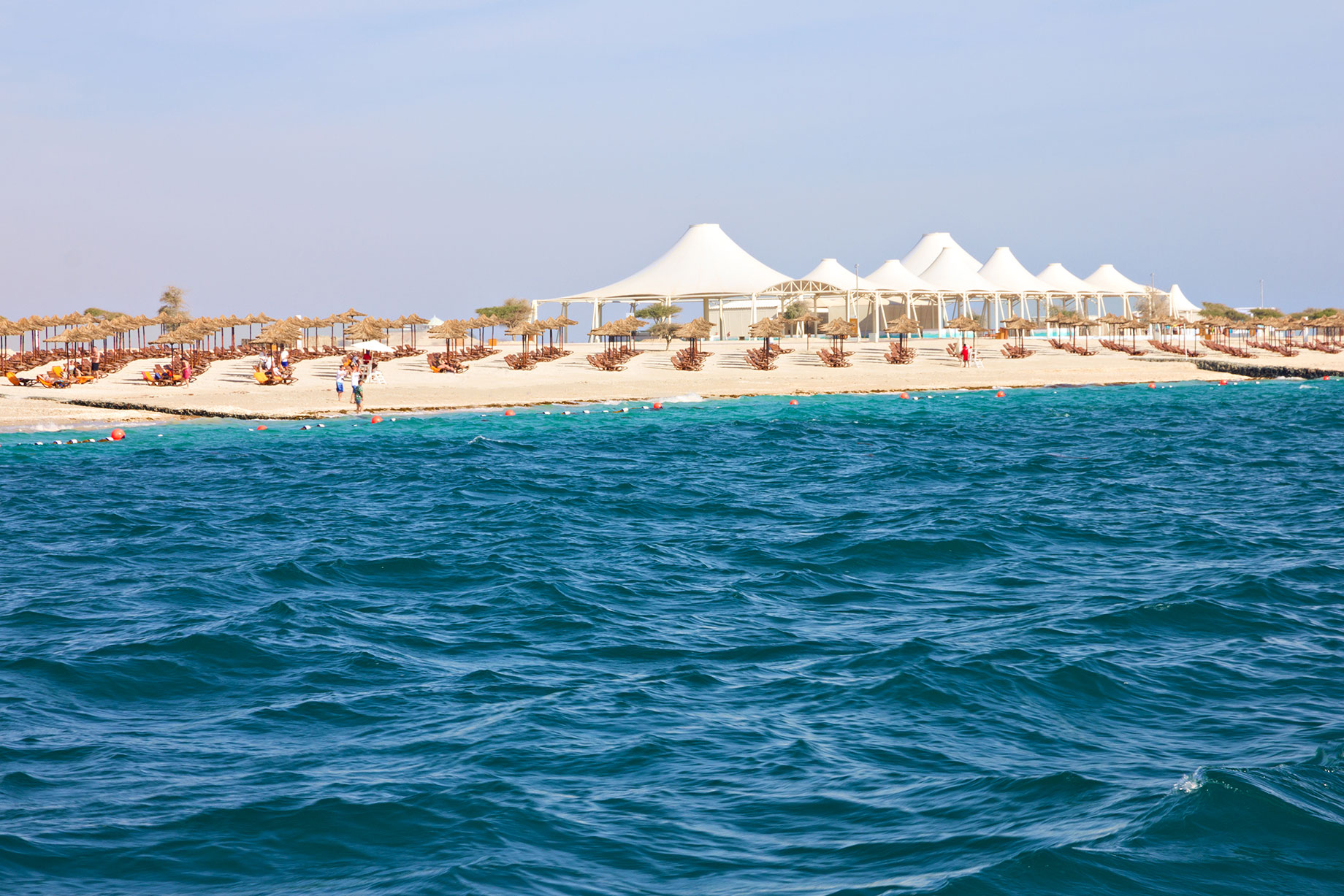
Sir Bani Yas has reef diving that suits both new and experienced divers, while Dalma Island adds a bit of history to the trip. It was once one of the most important pearl diving centers in the Gulf, and people have lived there for around 7,000 years. In a way, diving here is older than the city itself.
Why Dive in Abu Dhabi? The Pros
Beginners get the most out of it. Shallow sites, gentle conditions, and warm water are the three things a nervous first-timer wants, and Abu Dhabi has all of them. It is a comfortable place to try an introductory dive or complete a certification without strong currents or deep water adding pressure.
Convenience is the other big plus. The dive sites are close to the city, so a visitor can spend the morning underwater and still be at Louvre Abu Dhabi by mid-afternoon. For divers already in town for work or a stopover, that is a hard offer to turn down.
There is also a quieter appeal. Abu Dhabi’s waters have thousands of years of pearl diving history behind them, and they are healthier than their reputation suggests. The UAE is reported to have the second largest dugong population in the world, and the seagrass beds off Abu Dhabi are a big part of that. Dugongs are shy and stick to shallow grass flats, so a sighting on a dive is rare. Still, it says something about these waters that they are there at all.
What Holds Diving in Abu Dhabi Back? The Cons
Experienced divers will notice the limits quickly. Three things come up again and again, and each one is worth knowing about before booking.
Summer Heat
Timing matters more here than in most places. Average sea temperatures in Abu Dhabi run from around 21°C in February to almost 34°C in August. That summer figure is closer to a warm bath than an ocean, and combined with air temperatures well above 40°C, it makes the middle of the year hard work. From roughly May to September, many divers stay out of the water altogether.
Visibility
Even in the cooler months, expectations should stay realistic. Visibility in the Gulf is modest compared to open-ocean destinations, and on some days the sand gets stirred up enough to cut it down further. Underwater photographers in particular may find it frustrating.
Depth and Variety
The sites are shallow and fairly similar to one another. There are no walls, big schools of pelagic fish, or manta cleaning stations to chase, so anyone hoping for a headline encounter is likely to surface a little underwhelmed. Even locals who dive regularly tend to look elsewhere for a change of scene.
How Does Abu Dhabi Compare to Other Dive Destinations?
Abu Dhabi works as a first step, not a final stop. Once the basics are covered, most divers start looking at places where the water is clearer and the reefs are bigger. The nearest upgrade is Fujairah, on the UAE’s east coast, where most of the country’s well-known dive sites are found. It is a few hours away by road, and plenty of divers based in Abu Dhabi make that drive on weekends.
Beyond the UAE, a handful of countries come up again and again when travelers from the Gulf plan a dive trip. Each one offers something Abu Dhabi does not, and each comes with its own trade-offs.
Indonesia
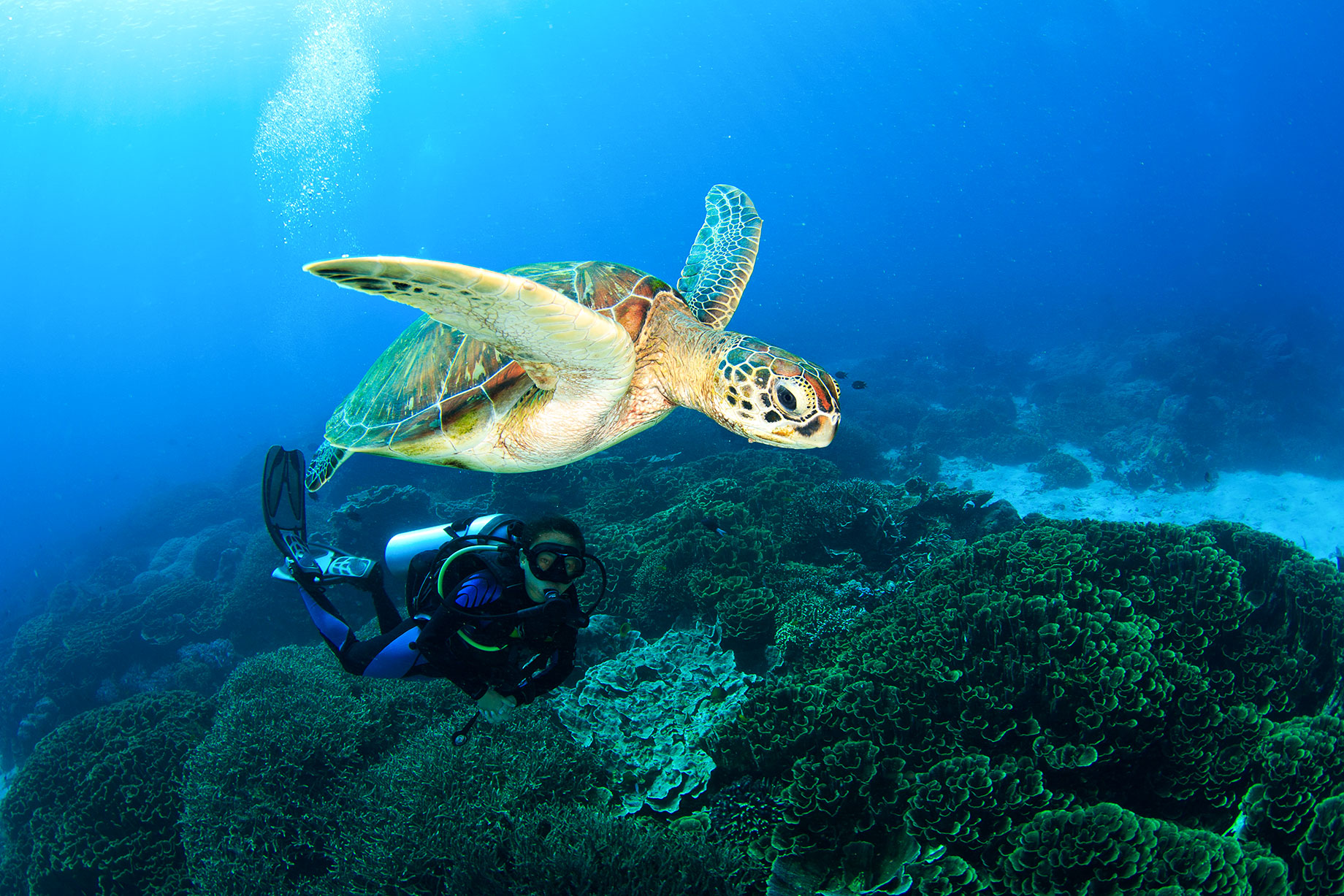
Indonesia sits in the middle of the Coral Triangle, widely regarded as the richest stretch of ocean on the planet for marine life, and the diving there is a different scale altogether. Bali is the usual way in, but many divers continue on to Labuan Bajo on the island of Flores, the gateway to Komodo National Park. Trips there are generally arranged through a reputable komodo dive center in town, with day boats heading out to sites known for manta rays, reef sharks, turtles, and coral walls.
The timing fits neatly too, since Komodo’s dry season lines up with the months when the Gulf is at its hottest. The trade-off is that Komodo’s currents can be strong, so it suits divers with some experience behind them, which is exactly the kind of confidence a few easy dives in Abu Dhabi can help build.
Egypt
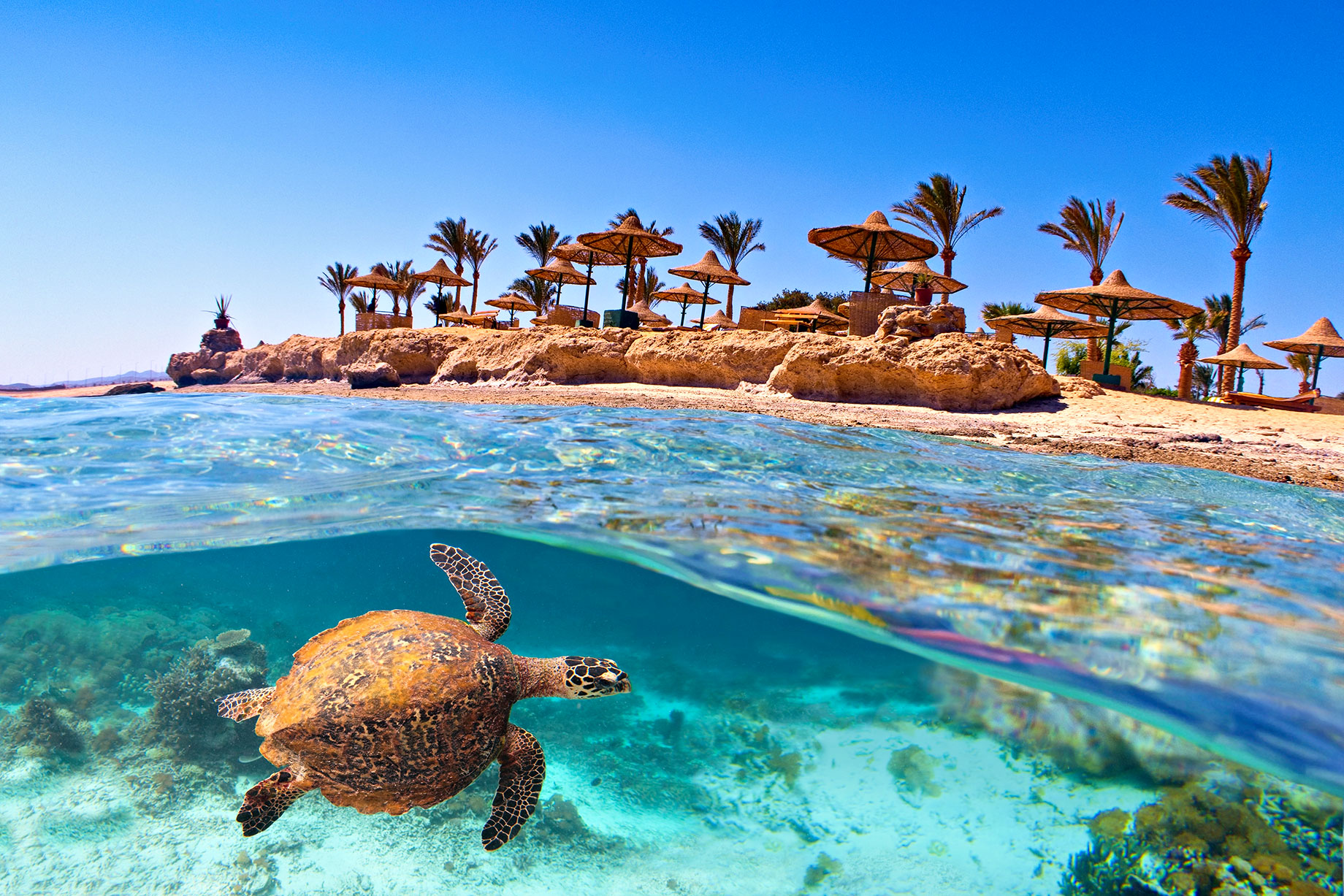
For divers in the Gulf, the Red Sea is the closest thing to a classic dive trip. Resort towns like Sharm El Sheikh and Hurghada sit a short flight away, and the water is known for clear visibility, colorful reefs, and famous wrecks such as the SS Thistlegorm. Compared to Abu Dhabi, it offers far more depth and variety. The downside is that the popular sites can get busy, especially in peak holiday periods.
The Maldives
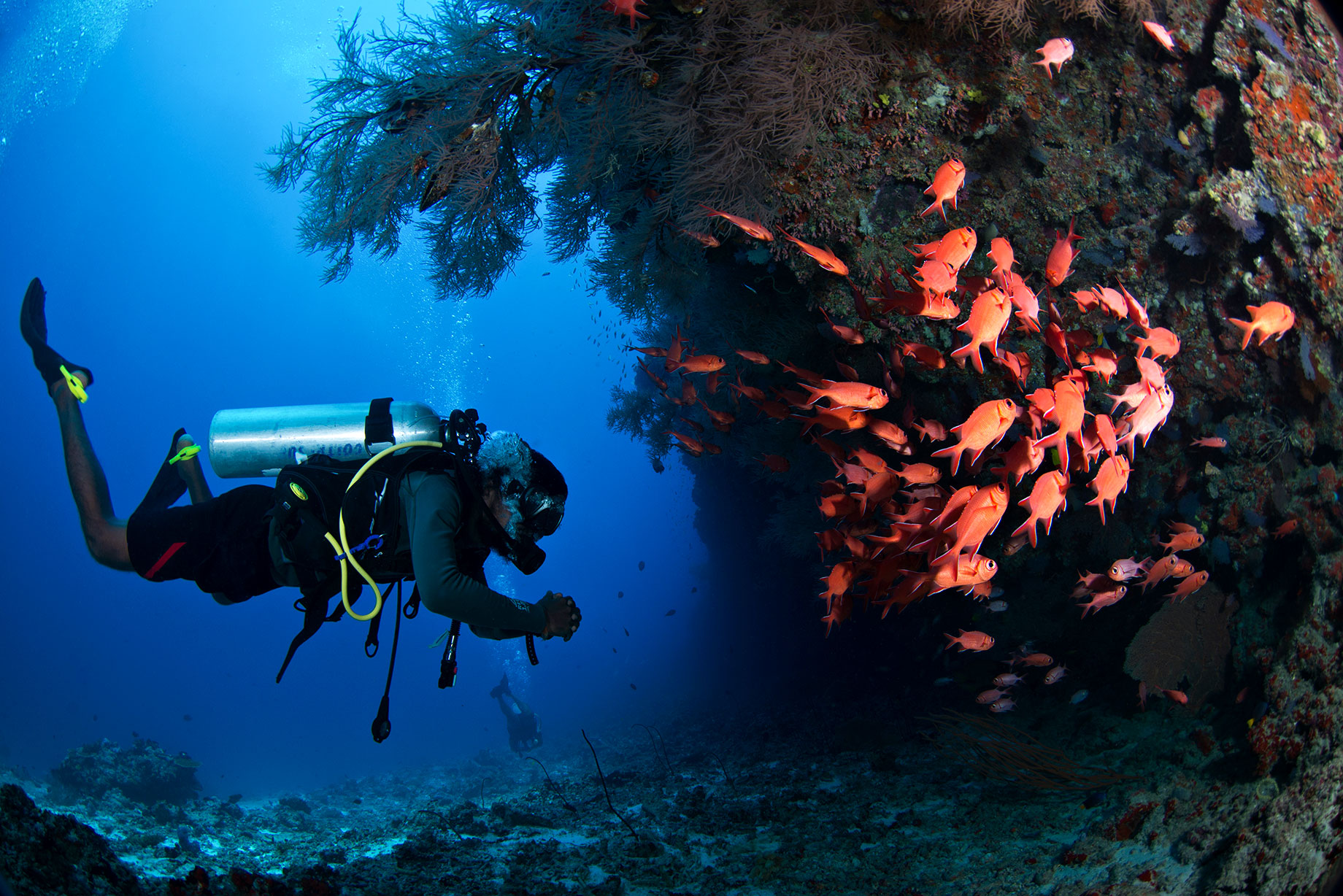
The Maldives is the pick for divers who want big animals. Its atolls are known for manta rays, whale sharks, and channel dives where currents bring in schools of fish. Many trips are done by liveaboard, which means more time in the water than a day boat allows. It is a step up from Abu Dhabi in almost every way underwater, though it is also one of the more expensive options on this list.
Thailand
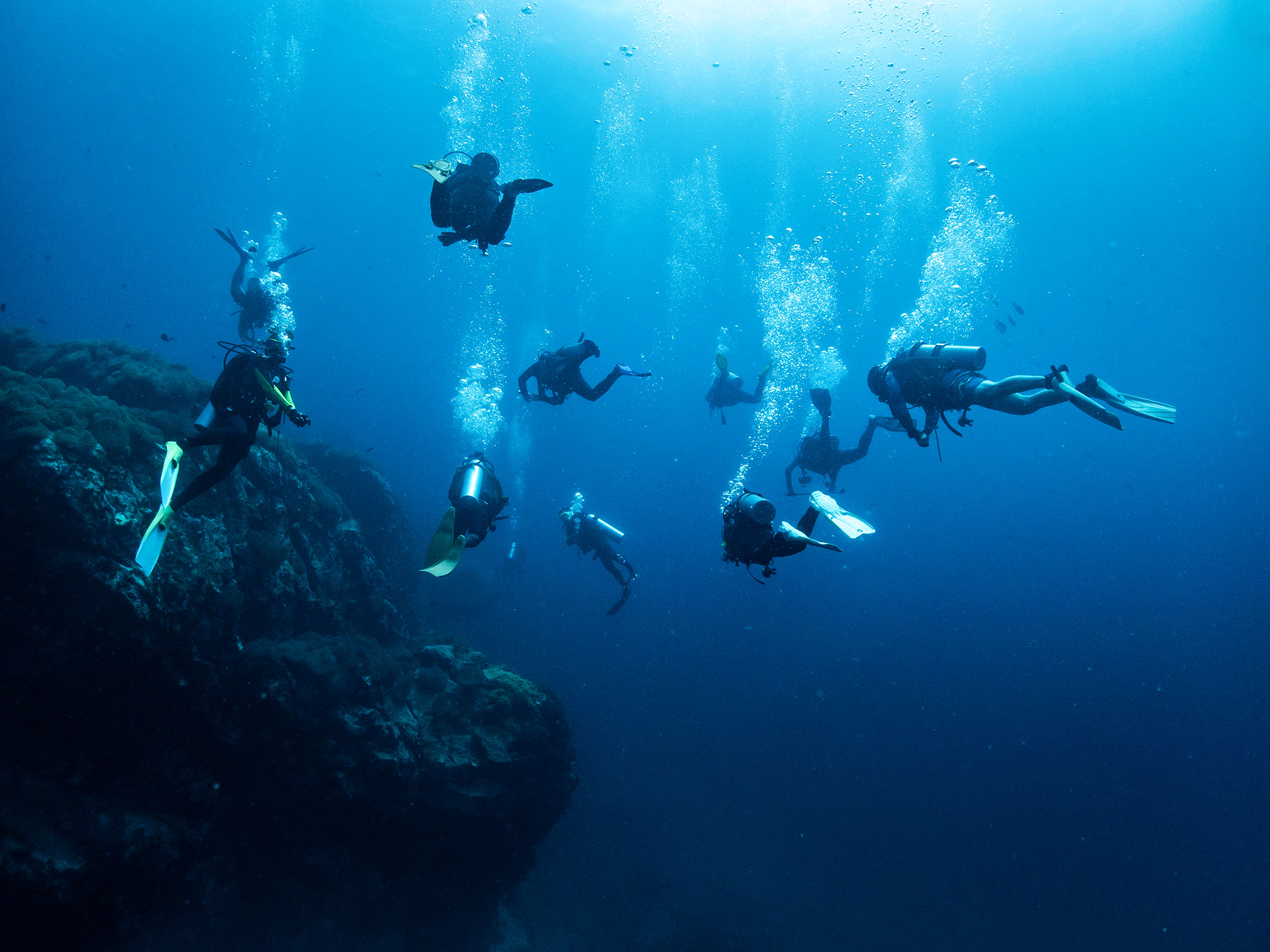
Thailand sits somewhere in the middle. Koh Tao is one of the world’s busiest places to learn to dive, with calm, shallow bays that feel familiar to anyone who started in the Gulf. For something more advanced, the Similan Islands offer clearer water and larger reefs. It is a good match for newer divers who want more to see than Abu Dhabi offers without jumping straight into strong currents.
How to Plan a Dive in Abu Dhabi?
While organizing a dive trip in Abu Dhabi is generally straightforward, a little preparation goes a long way. From timing your visit right to picking a location that suits your skill level, keeping a few key factors in mind will help ensure a smooth and enjoyable experience.
Pick the Cooler Months
October to April is the comfortable window. The water is cooler, visibility is usually at its clearest, and the boat ride is far more pleasant than it is in July.
Match the Site to the Experience Level
New divers are well served by Saadiyat Reef or the Old Cement Barge. Those with a few more dives logged may prefer Red Buoy or a trip out to Sir Bani Yas, where there is more to explore.
Book With a Recognized Dive Center
Most visitors dive through a local operator, which handles the boat, equipment, and guide. Checking that the center is affiliated with a major training agency is a simple way to make sure standards are in place.
Leave a Gap Before Flying
Divers are generally advised to wait at least 18 hours after diving before boarding a flight. For anyone squeezing a dive into a stopover, that means planning it for the start of the trip, not the last morning.
Frequently Asked Questions
Is Abu Dhabi good for beginner divers?
Yes. Shallow sites, calm conditions, and warm water make it a comfortable place to try diving for the first time or complete an entry-level course.
What is the water temperature in Abu Dhabi?
Sea temperatures average around 21°C in the coolest month, February, and climb to almost 34°C in August.
Can divers see dugongs in Abu Dhabi?
It is unlikely. The emirate’s waters hold a large dugong population, but the animals are shy and stay in shallow seagrass areas away from most dive sites.
Is Abu Dhabi or Fujairah better for diving?
They suit different divers. Abu Dhabi is closer and easier for beginners, while Fujairah has deeper sites and more variety for those with experience.
The Verdict: Is Diving in Abu Dhabi Worth It?
For the right person, diving in Abu Dhabi is worth it. New divers, travelers with a spare morning, and anyone curious about what lives in the Gulf will find it an easy and enjoyable place to get wet. The sites are close, the conditions are gentle in the cooler months, and there is more down there than the city’s skyline suggests.
For seasoned divers chasing clear water and big encounters, it is harder to recommend as a trip on its own. In that case, Abu Dhabi makes more sense as a warm-up, a place to log a few easy dives before heading somewhere with more depth and more life. Either way, it deserves a fairer look than it usually gets.