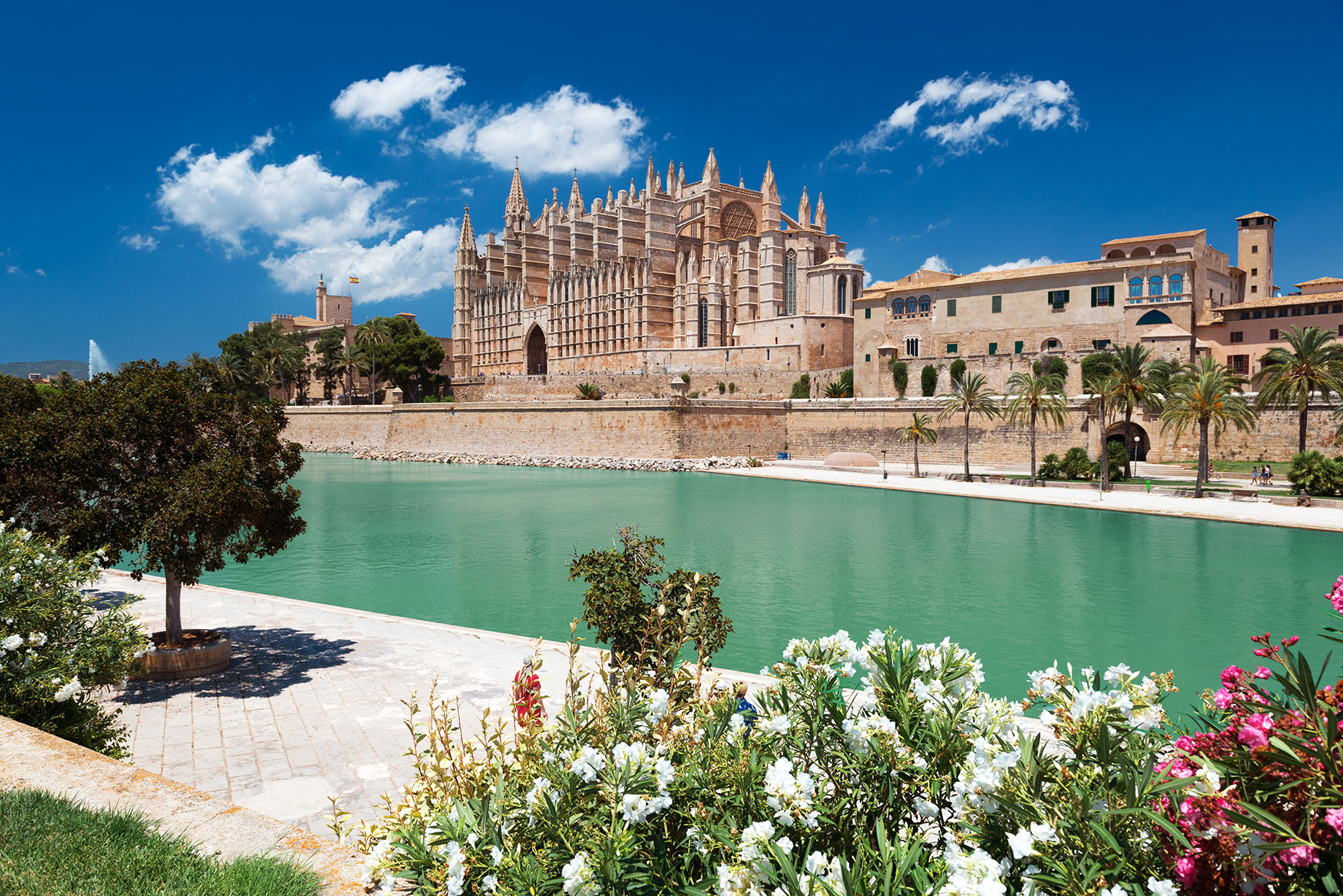
Palma de Mallorca is a city of bright stone and sea light—Mediterranean yet unmistakably its own. Within its honeycombed Old Town, Gothic spires brush the sky, Moorish echoes linger in courtyards, and café tables spill onto squares where life moves at a measured, sun-warmed pace. This guide focuses exclusively on the city of Palma—what to see, what to do, and how to arrive—so you can make the most of a long weekend or an easy urban escape.
A fantastic and affordable way to explore the city is by joining a free tour like the one offered on this website, which helps you map the landmarks and stories before you start exploring solo.
Palma’s Old Town (El Casco Antiguo)
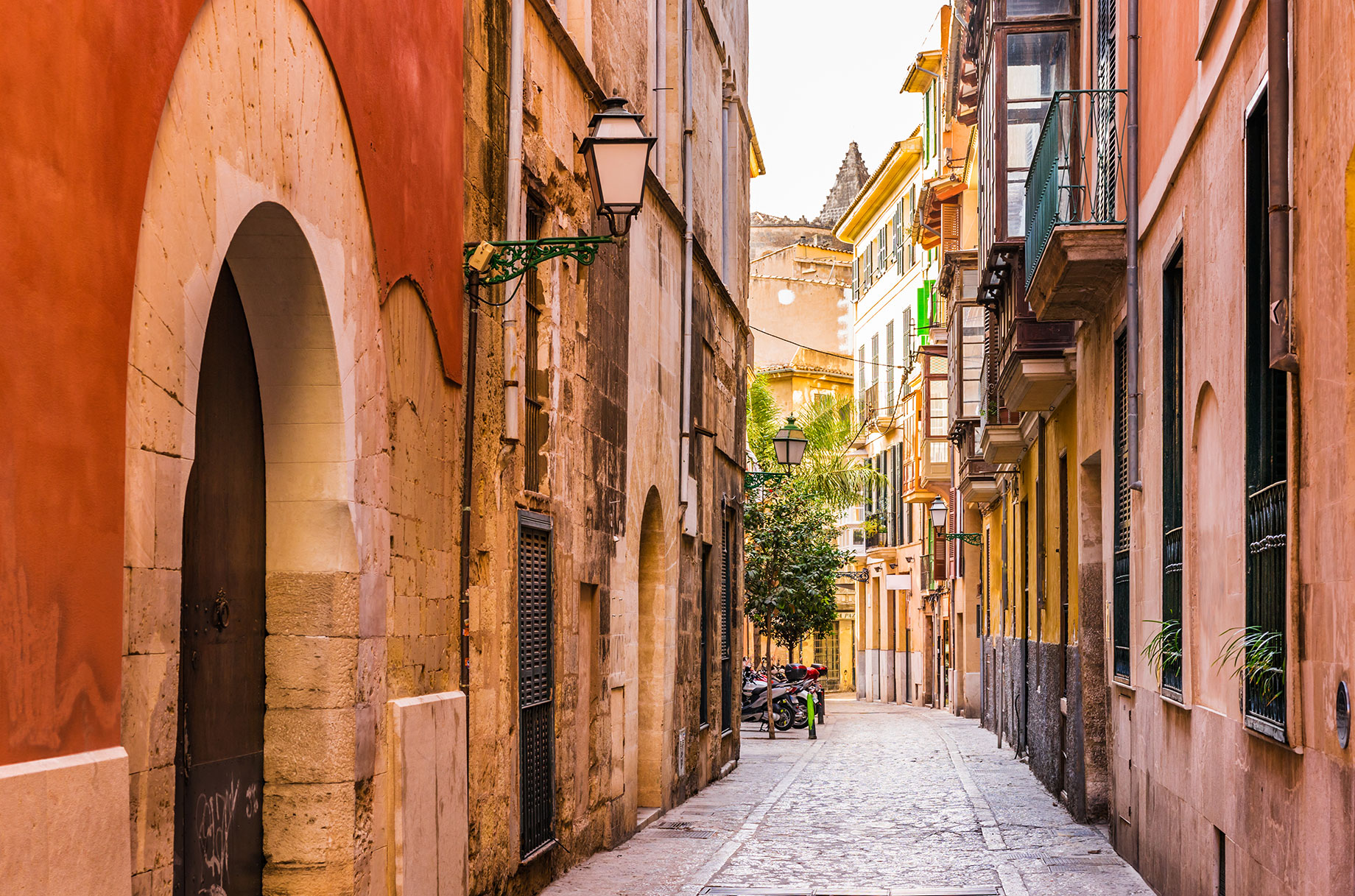
Begin with a slow wander through Palma’s compact Old Town: narrow lanes, hidden patios, and weathered palacios that open suddenly onto bright plazas. You’ll cross centuries in a few blocks—Arab foundations, Gothic arches, Modernista details—making this the city’s richest area for aimless discovery and photography.
La Seu – The Cathedral of Palma
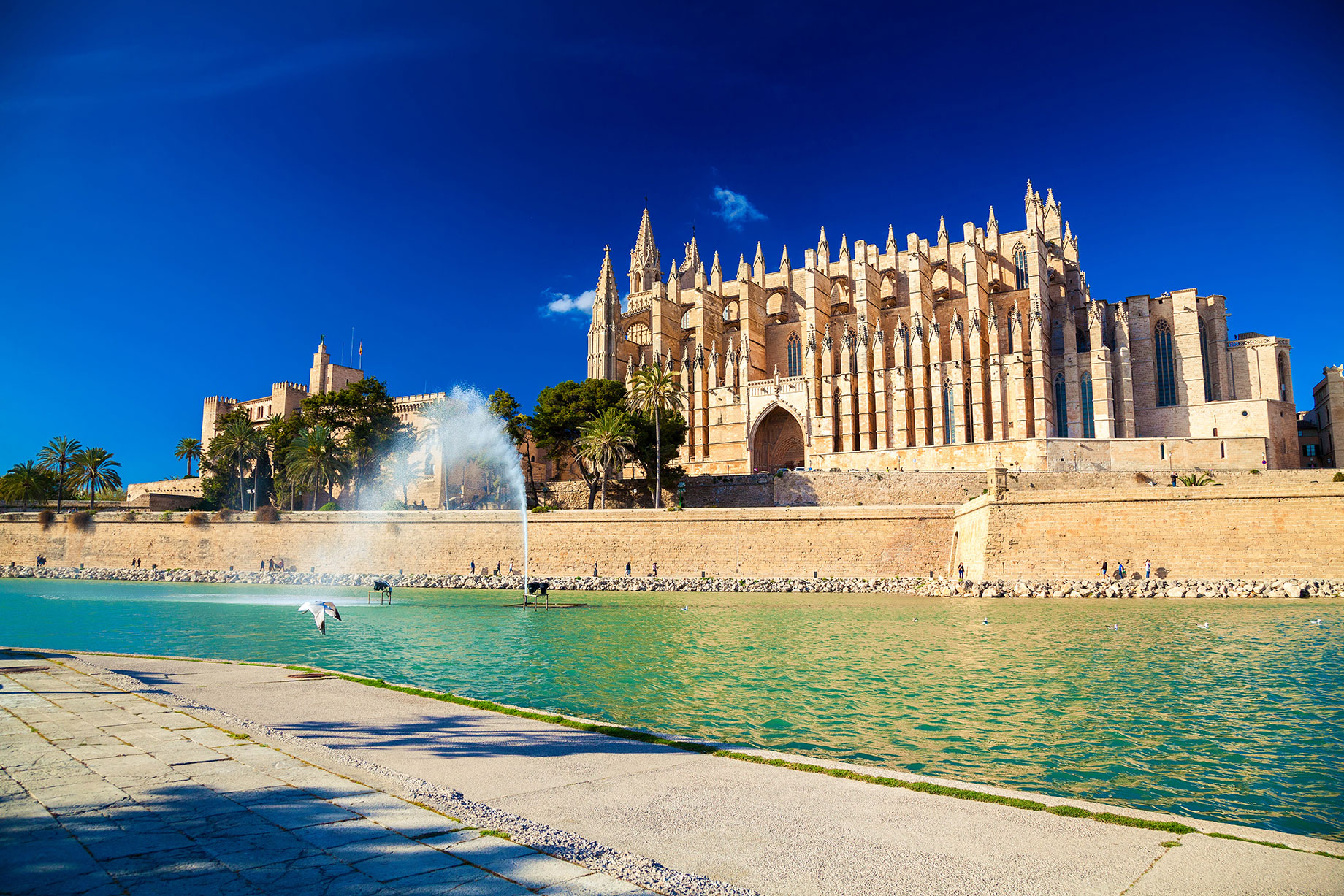
Palma’s waterfront cathedral is the city’s defining silhouette. Built from the 13th century and famed for a soaring central nave of roughly 44 metres, La Seu ranks among Europe’s tallest Gothic interiors. Inside, look for Antoni Gaudí’s early-1900s interventions and Miquel Barceló’s contemporary chapel work—old stone conversing with modern imagination.
Royal Palace of La Almudaina
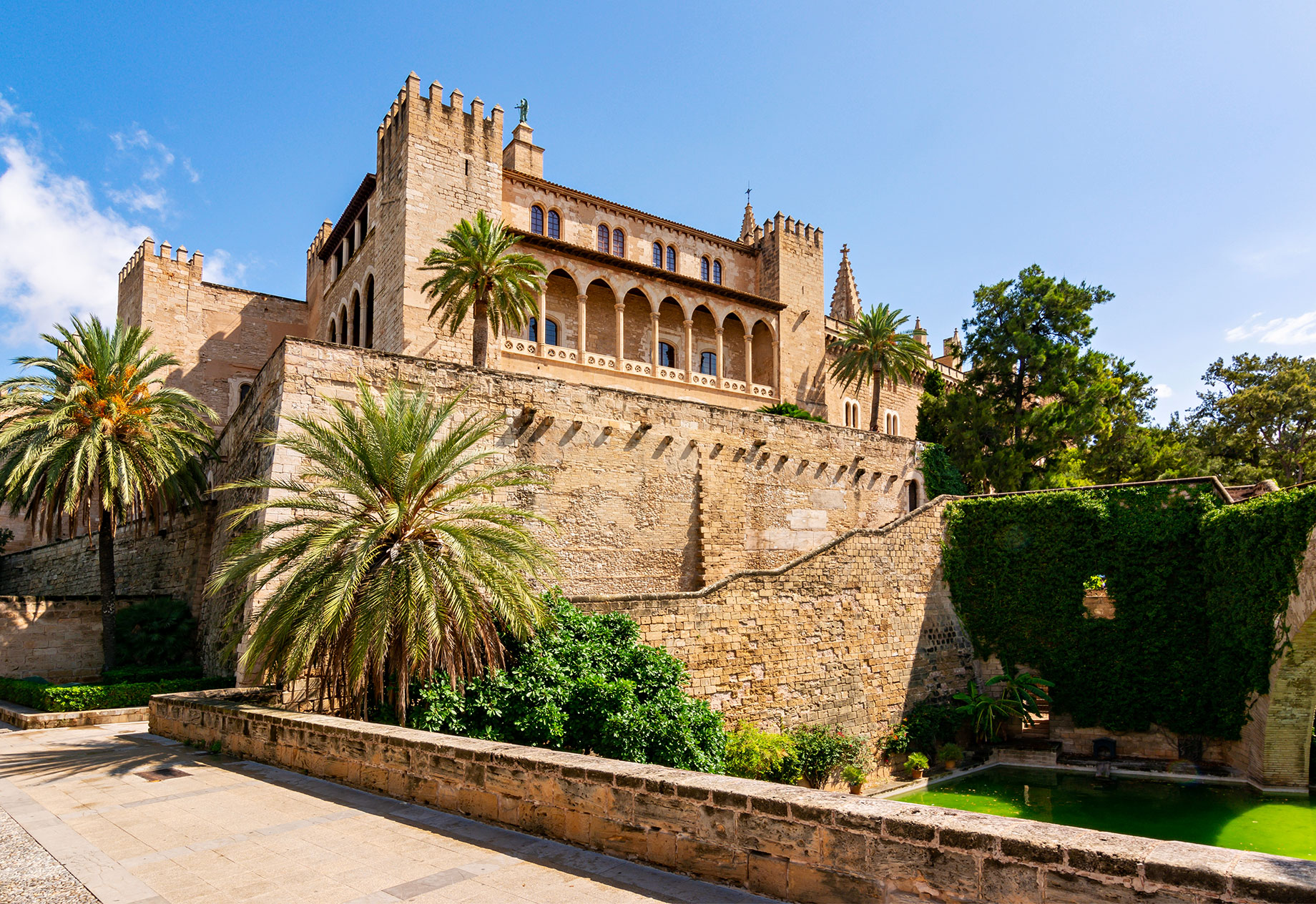
A few steps from the cathedral, the royal palace sits on earlier Islamic foundations and took shape in the 14th century. It remains the official residence of Spain’s monarchs during stays in Mallorca, and its courtyards, halls, and views over the bay pair beautifully with a cathedral visit.
The Jewish Quarter (El Call)
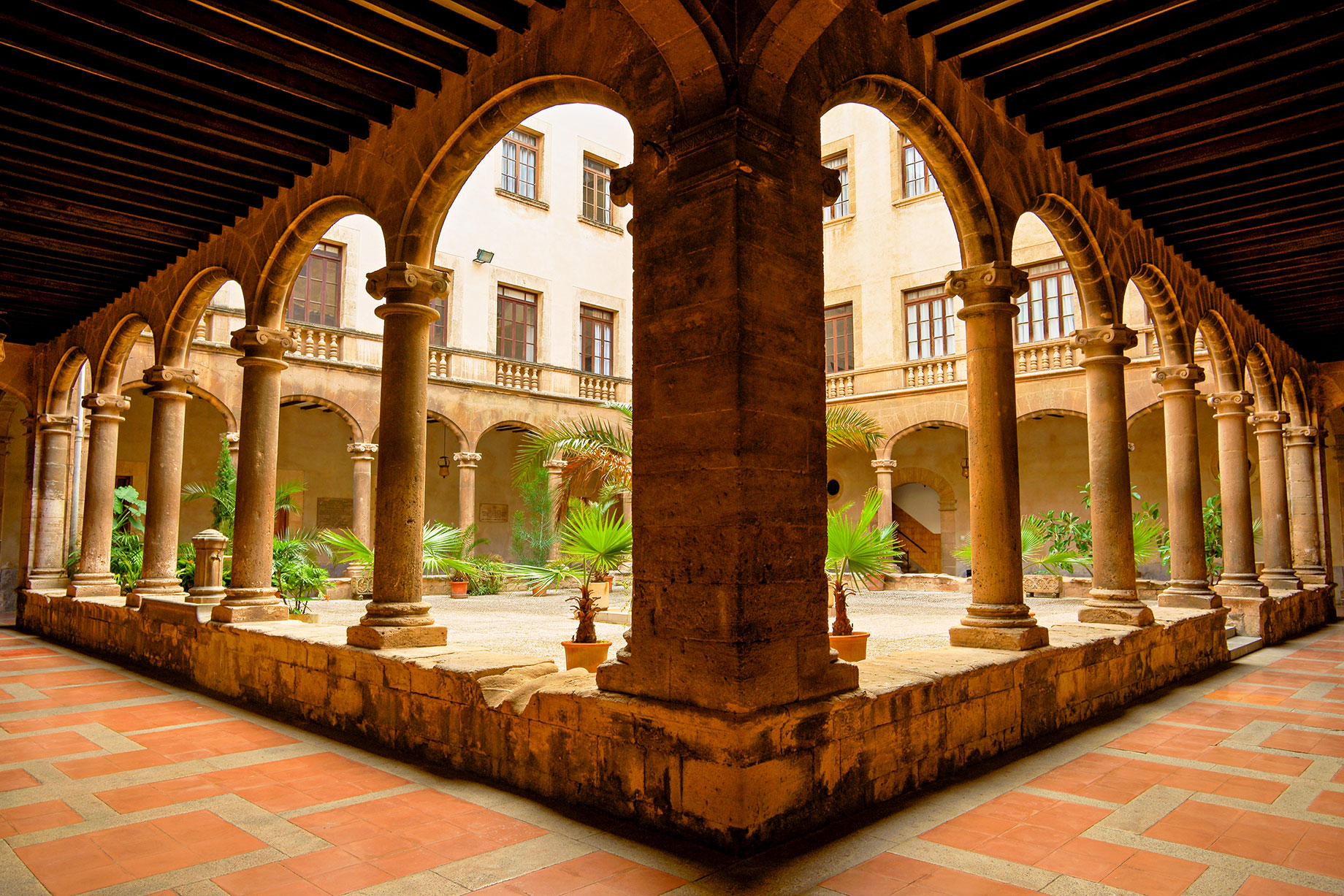
Tucked within the upper Old Town, Palma’s Call preserves the memory of a once-thriving community through its street plan and discreet placards. Stroll the web of lanes off Carrer de Sant Alonso and around Santa Eulàlia; this is a part of Palma best appreciated at walking pace, tracing history through stones and street names.
Church of Santa Eulàlia
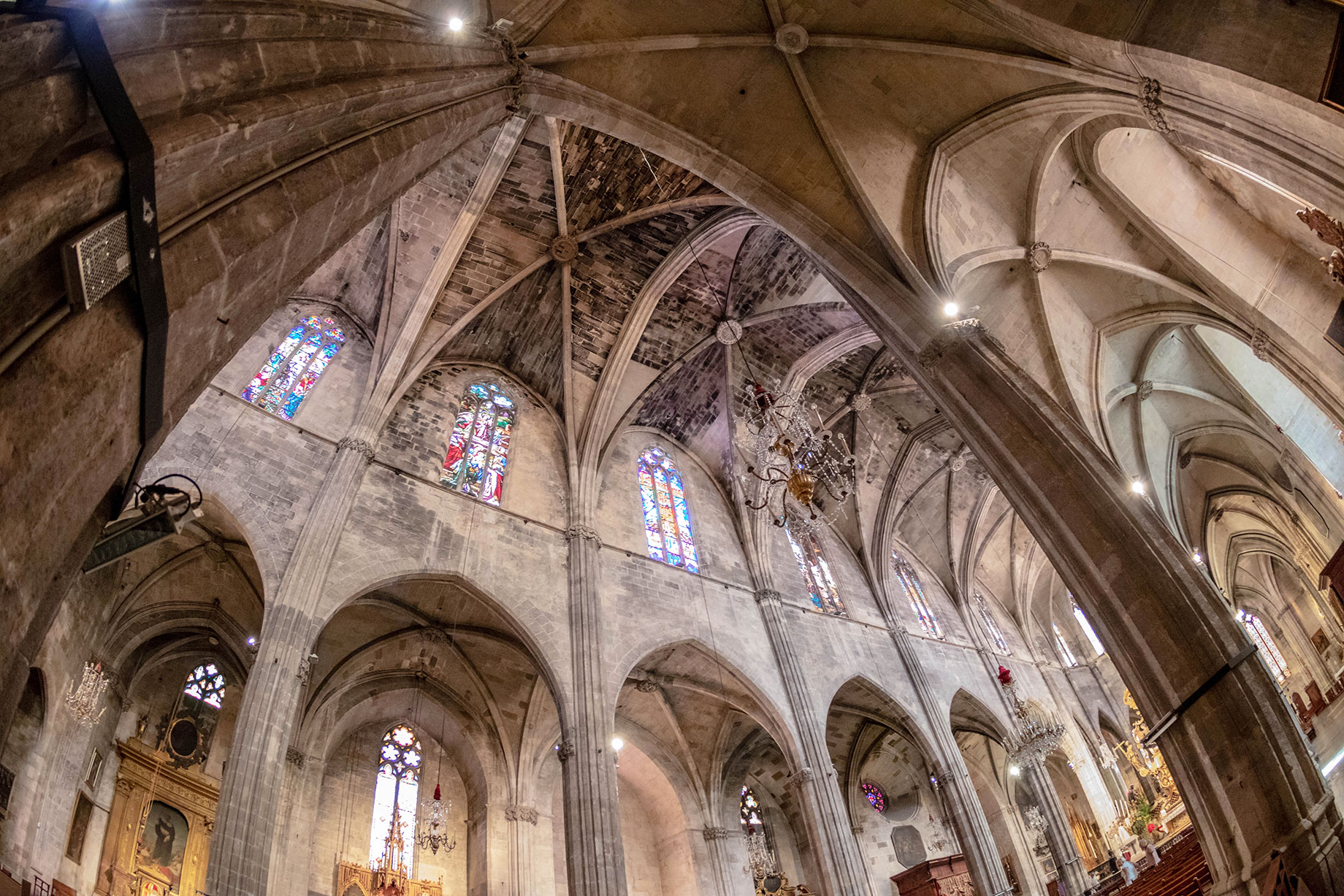
Often overshadowed by the cathedral, Santa Eulàlia is Palma’s oldest parish church after the 1229 conquest. It blends Catalan Gothic bones with a later neo-Gothic façade and a fine rose window—quiet, solemn, and wonderfully atmospheric at mid-morning when light pools across the nave.
Palma Town Hall & Plaça de Cort
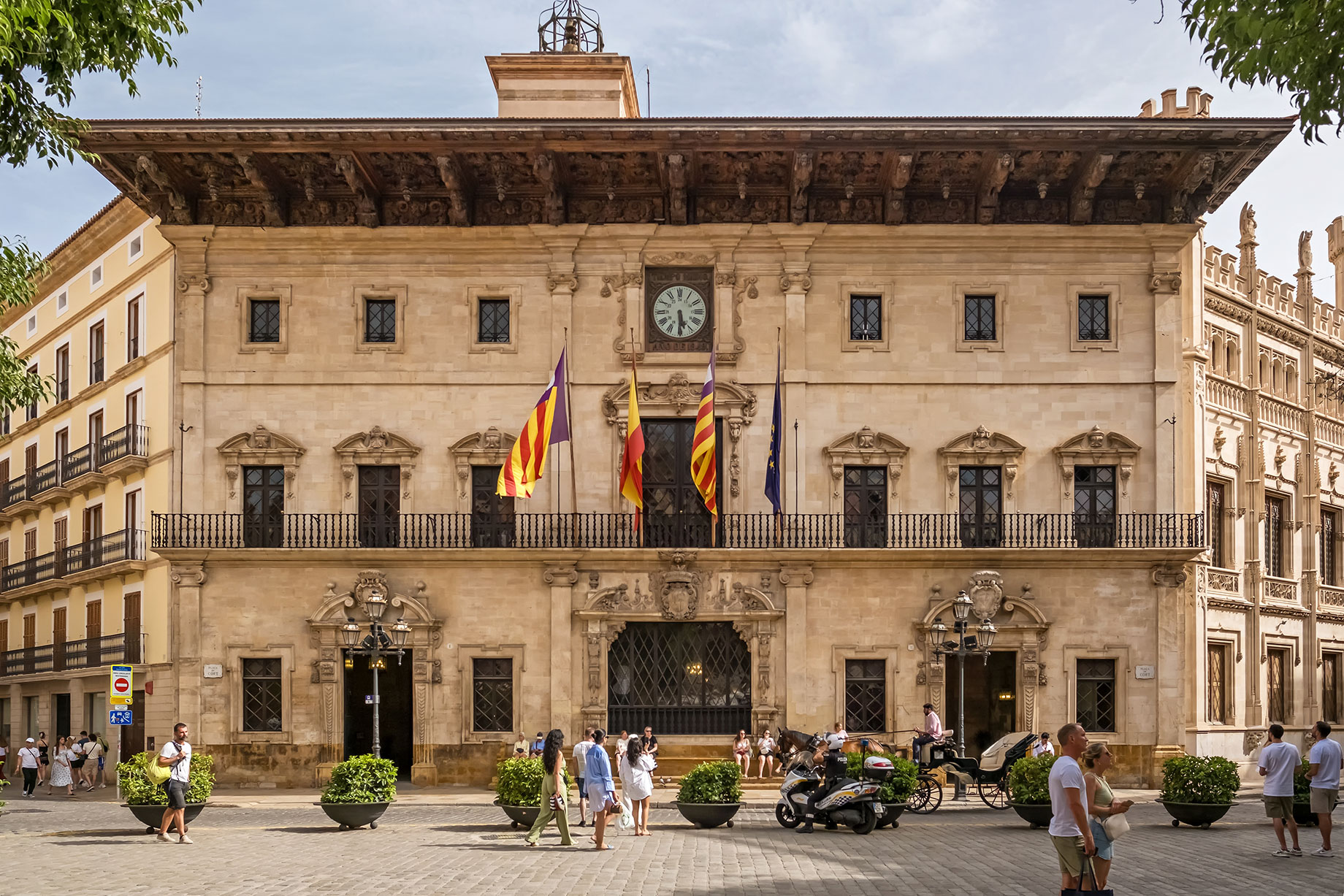
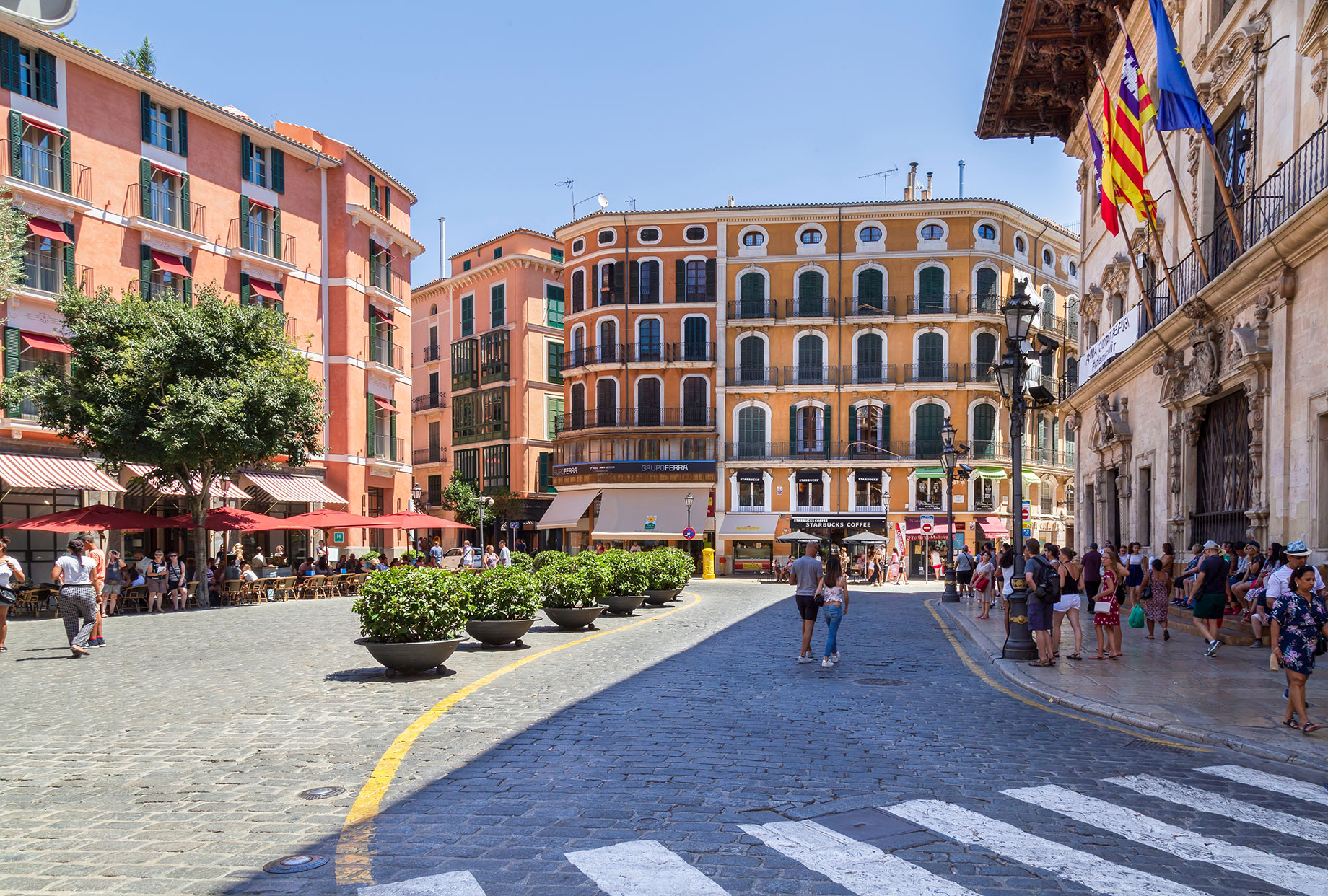
Make time for a pause in Plaça de Cort, where the handsome baroque-fronted Town Hall stands guard above a gnarled, centuries-old olive tree—an adopted symbol of peace and a favourite photo stop. From here, cobbled lanes radiate toward the cathedral, Plaza Mayor, and shopping streets.
Plaza Mayor
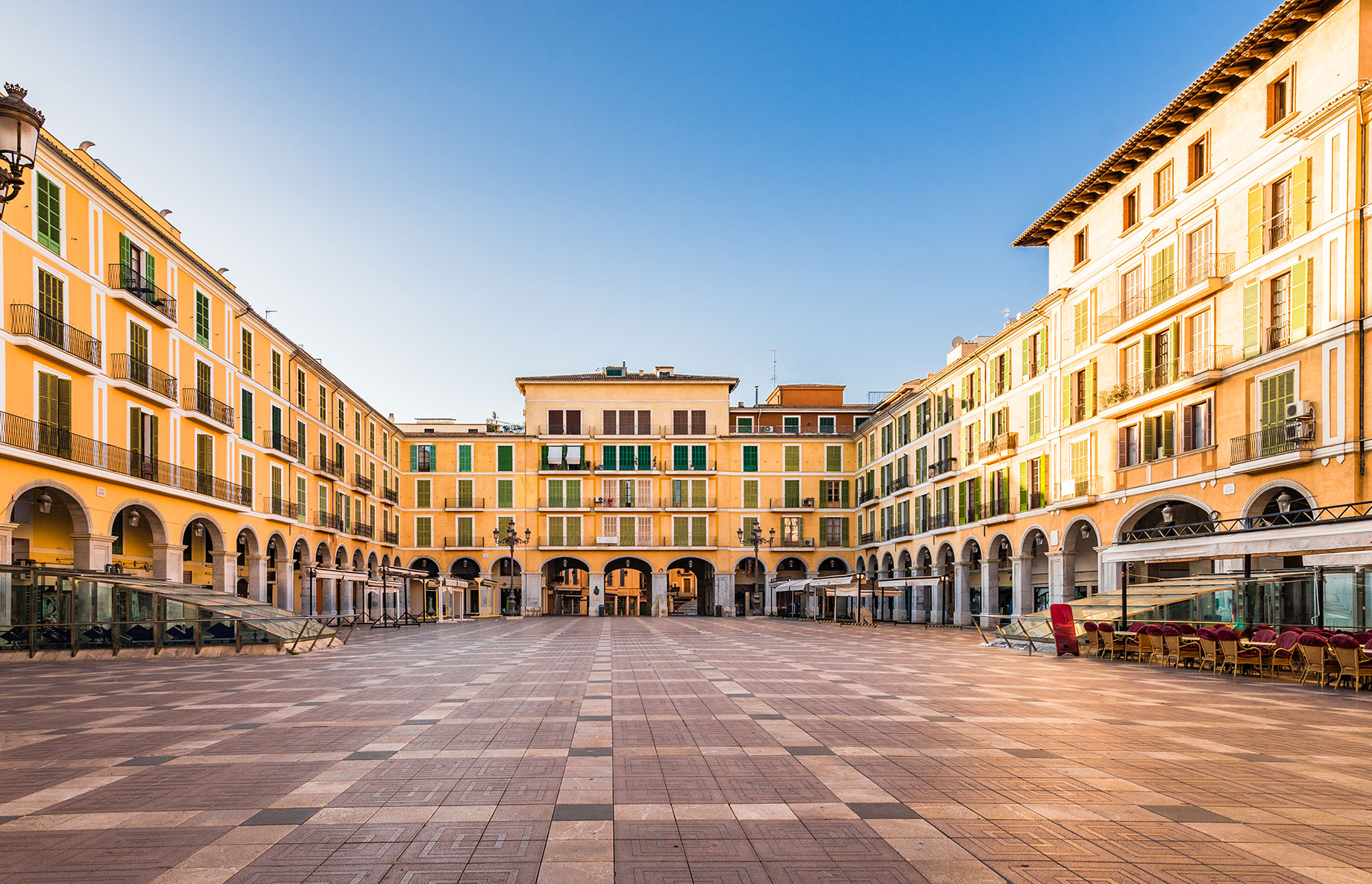
Arcaded façades enclose this bright square, long a social hub for markets and events. Come for an early café con leche, browse artisans later in the day, or cut through its galleries en route to the nearby Rambla and boutique-lined alleys. The city is progressing plans to revitalise the plaza’s subterranean galleries into an open, accessible cultural-commercial space.
Plaza d’Espanya & the Intermodal Hub
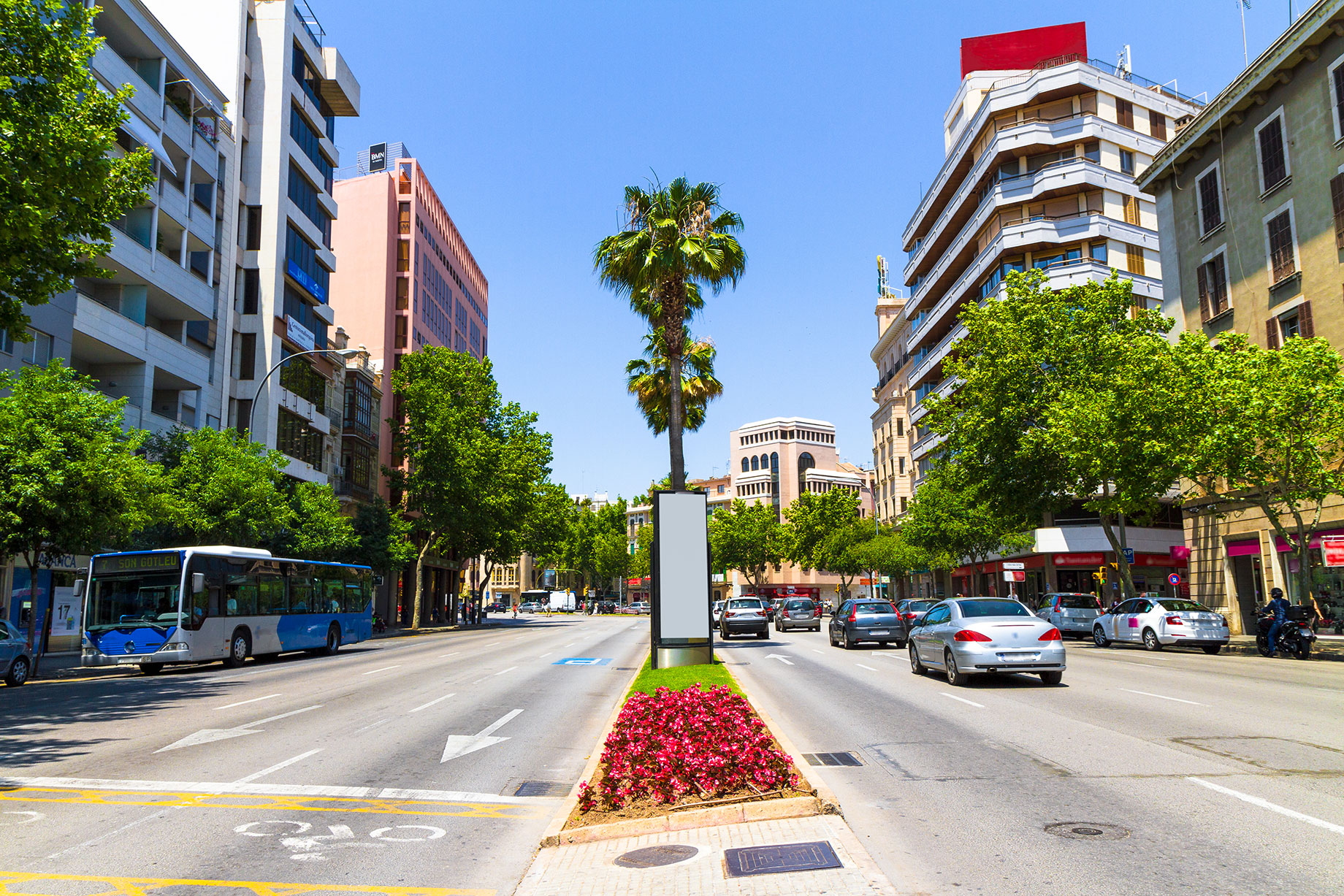
Plaza d’Espanya is Palma’s primary transport node and a useful landmark even if you’re exploring on foot. Beneath the square, the Estació Intermodal connects city buses, regional TIB coaches, trains, and the metro—handy for day trips, but also a good anchor point for navigating the city.
Arab Baths (Banys Àrabs)
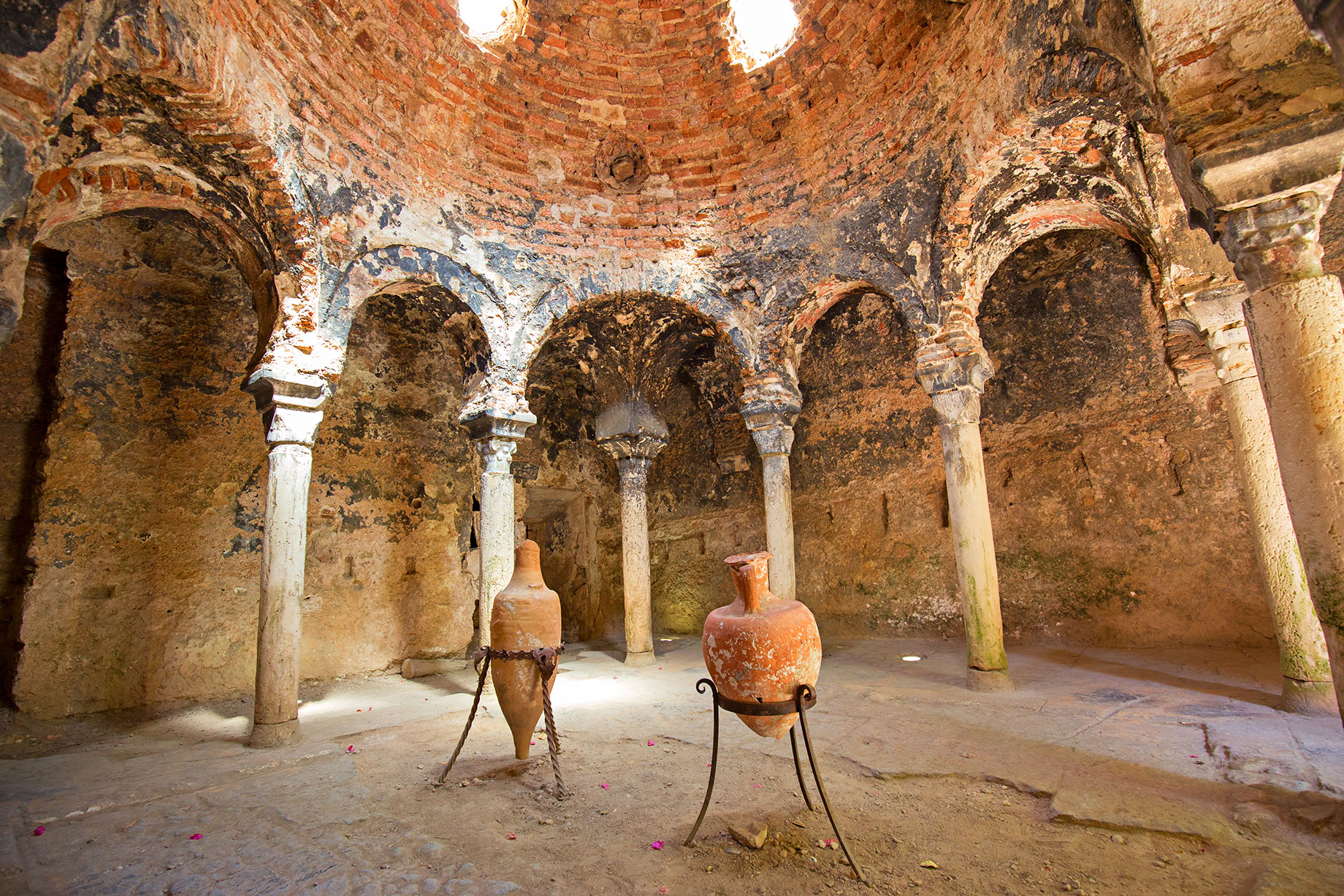
One of Palma’s most evocative remnants of Muslim rule, the small 10th–11th century baths sit behind a modest doorway in the Old Town. A domed chamber ringed by palm-trunk columns and a quiet garden offer a cool, contemplative counterpoint to busy streets. Opening hours and entry are modest and straightforward.
What to Do in a Day
- Morning: Old Town ramble → La Seu interior → terrace coffee facing the bay.
- Midday: La Almudaina tour → tapas around Plaça de Cort.
- Afternoon: Arab Baths and Call backstreets → shopping detour along Carrer de Sant Miquel → Plaza Mayor people-watching.
- Evening: Golden-hour stroll along Parc de la Mar → dinner in the Old Town; finish with a gelato under the arcades.
How to Get There & Get Around
From Palma de Mallorca Airport (PMI), the EMT A1 bus runs to the city centre, looping around the Old Town with frequent stops—simple, inexpensive, and luggage-friendly. Once in the centre, use Plaza d’Espanya’s Estació Intermodal for metro, rail and TIB buses if you’re day-tripping; otherwise, Palma is best explored on foot with occasional hops on city buses.
Practical Tips
- Timing: Start cathedral and palace visits soon after opening to enjoy softer light and smaller crowds.
- Dress & access: Old Town streets are cobbled—comfortable shoes help. Some historic sites have limited accessibility; check official pages in advance.
- Pace: Palma rewards slow travel—build in time for plazas, courtyards, and café breaks between headline sights.
Whether you come for Gothic grandeur, Moorish traces, or the simple pleasure of sitting beneath an old olive tree watching the city drift by, Palma de Mallorca makes it easy to fall into a Mediterranean rhythm on the Balearic Islands—cultured, compact, and endlessly walkable.