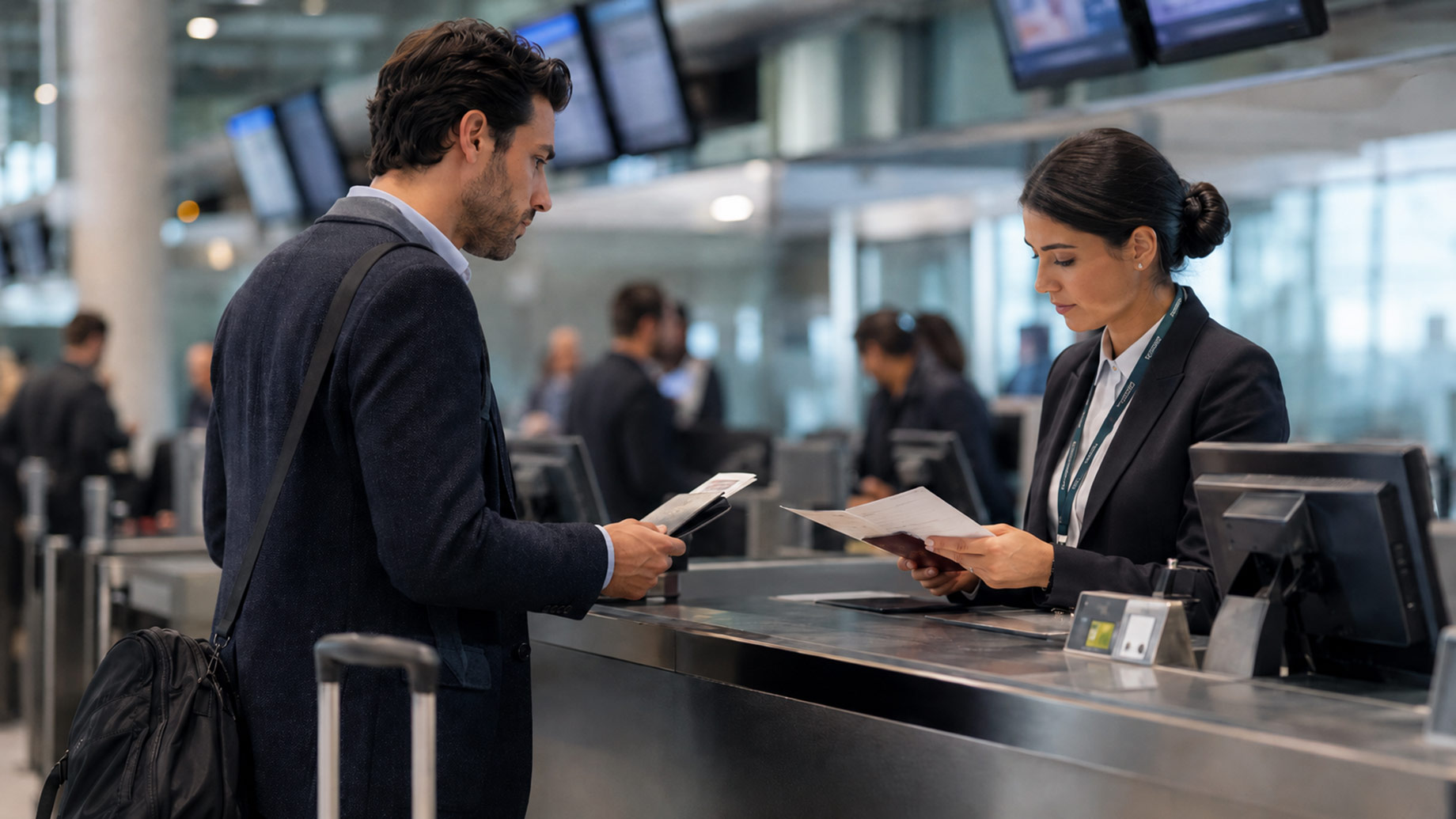
International travel often involves more than presenting a valid passport and visa. Depending on your destination, airline staff may ask for proof that you intend to leave the country before your permitted stay expires.
Many travelers are surprised when this request happens at check in rather than immigration. Understanding why airlines ask for onward travel can help you prepare the right documents before your journey begins.
Why Airlines Ask for Proof of Onward Travel
Airlines have a responsibility to transport passengers who meet the entry requirements of their destination. Some travelers make the mistake of using a non-verifiable dummy ticket, which can create problems if an airline or immigration authority requests confirmation of the reservation. Choosing documentation that meets the relevant requirements can help travelers better prepare for destinations where proof of onward travel may be requested.
- Compliance with immigration rules: Airlines verify that passengers satisfy the entry requirements established by the destination country.
- Reduced carrier liability: Airlines may face financial penalties or be required to transport passengers back if they are refused entry upon arrival.
- Verification of temporary travel: Proof of onward travel helps demonstrate that a visitor intends to leave the country within the permitted period.
- Support for visa free travel: Some countries require evidence of onward travel even when a visa is not needed.
- Consistency with travel documents: Airlines may compare your onward travel with your passport, visa, and other supporting documents.
- Smoother check in process: Having the required documents available can help reduce delays during document verification.
- Preparation for destination requirements: Entry rules vary by country, and airlines often verify compliance before boarding.
Situations Where Airlines May Request Proof of Onward Travel
Not every passenger will be asked to present onward travel documentation. However, airlines often review travel plans when destination requirements, visa conditions, or travel history indicate that additional verification may be appropriate.
Traveling Under Visa Free Entry
Many countries allow visitors to enter without obtaining a visa in advance. Even so, immigration rules may still require travelers to show that they intend to leave before the permitted period expires.
Airline staff may request proof of onward travel before issuing a boarding pass. This helps confirm that the passenger appears to meet the destination’s entry requirements before departure.
Entering With a Tourist Visa
Tourist visas are generally issued for short term visits. Airlines may review your travel plans to ensure your intended stay matches the conditions of the visa and that you have arrangements to depart within the authorized period.
Presenting return or onward travel plans helps support the temporary nature of your visit. It also allows airline staff to complete document checks more efficiently.
Flying to Countries With Strict Entry Requirements
Some destinations apply stricter immigration policies than others. Airlines serving these routes are often more careful when reviewing travel documents because they may be held responsible if a passenger is refused entry.
For this reason, passengers may be asked to provide supporting travel documentation before boarding. The request is intended to verify compliance with the destination’s entry requirements rather than create unnecessary inconvenience.
Traveling on a One Way Ticket
A one way ticket does not automatically prevent you from boarding. However, it may lead airline staff to ask additional questions, particularly if the destination commonly expects visitors to have evidence of onward travel.
Many travelers in this situation carry an onward ticket from dummyticket365.com to demonstrate their intention to leave the country within the permitted period. Supporting documentation can help clarify travel plans during the check in process.
Visiting Countries With Limited Length of Stay
Many destinations allow visitors to remain only for a specific number of days under their visa or visa free entry rules. Airline staff may review your travel plans to ensure your intended departure falls within the permitted period.
Providing planned departure details helps demonstrate that you understand the entry conditions and intend to comply with them. It also allows the airline to complete document checks with greater confidence.
Traveling With Multiple Flight Connections
Passengers traveling through several countries may encounter different entry and transit requirements along the way. Even if your final destination does not require onward travel, a transit country may have its own documentation rules.
Airlines often review complete travel itineraries to verify that every stage of the journey complies with the applicable regulations. Keeping all travel documents organized can make these checks much smoother.
Responding to Airline Document Checks
Check in staff are responsible for confirming that passengers have the documents required for international travel. They may ask questions about your destination, return plans, accommodation, or visa before issuing a boarding pass.
Providing clear and accurate information allows the verification process to move more efficiently. Honest answers supported by consistent documentation help avoid unnecessary delays at the airport.
How Travelers Can Prepare Before Check In
Preparing your documents before arriving at the airport can reduce stress and help you respond confidently if airline staff request additional information.
- Review the entry requirements for your destination.
- Keep your passport and visa readily accessible.
- Carry your flight itinerary and onward travel documentation.
- Confirm that your travel dates are consistent across all documents.
- Have your accommodation details available if requested.
- Keep digital and printed copies of important travel documents.
- Arrive at the airport early to allow time for document verification.
Common Reasons Travelers Face Boarding Issues
Being denied boarding is not always related to onward travel. In many cases, issues arise because important documents are missing, inconsistent, or do not meet the destination’s entry requirements.
Missing Required Travel Documents
One of the most common reasons for boarding delays is arriving at check in without all the necessary documentation. Missing visas, passports, or supporting travel records can prevent airline staff from confirming your eligibility to travel.
Keeping essential travel documents together before leaving for the airport helps reduce the risk of unexpected problems during check in.
Inconsistent Travel Information
Your passport, visa, flight itinerary, accommodation bookings, and other supporting documents should all reflect the same travel plans. Conflicting dates or destinations may lead airline staff to ask additional questions.
Maintaining document consistency makes it easier for the airline to verify your journey and confirm that your travel plans satisfy the destination’s entry requirements.
Expired or Invalid Documentation
Travel documents must remain valid for the duration required by the destination country. An expired passport, invalid visa, or outdated reservation may prevent boarding even if the rest of your application is complete.
Checking the validity of your documents well before departure gives you time to correct any issues and helps avoid last minute travel disruptions.
Unclear Purpose of Travel
Airline staff may ask additional questions if your travel plans appear inconsistent or difficult to understand. A one way ticket, a long stay with limited supporting documents, or conflicting information can all lead to closer document checks.
Providing clear travel intentions through your itinerary and supporting documents helps staff understand the purpose of your journey. Consistent information reduces uncertainty during the check in process.
Failure to Meet Destination Entry Requirements
Every country establishes its own immigration rules, and airlines are expected to verify that passengers meet those requirements before departure. If mandatory documents are missing, boarding may be refused to avoid problems upon arrival.
Reviewing destination requirements before traveling helps ensure you have the documents needed for a smooth journey. It is always easier to resolve issues before reaching the airport.
Last Minute Booking Changes
Changing flights or travel dates shortly before departure can sometimes create inconsistencies between your itinerary and other supporting documents. Airline staff may ask for clarification if the updated travel plans no longer match your original records.
Keeping updated travel documents ensures your itinerary reflects your latest plans. Reviewing every reservation before check in helps avoid unnecessary delays.
Best Practices Before Flying Internationally
A few simple steps before your departure can make the check in process more efficient and reduce the likelihood of document related issues.
- Research destination requirements: Review the latest entry rules published by the country you plan to visit before booking your trip.
- Carry supporting travel documents: Keep your passport, visa, flight itinerary, accommodation details, and onward travel documentation together.
- Verify your travel information: Check that your name, travel dates, and destinations are consistent across every document.
- Keep digital and printed copies: Having backup copies can be helpful if you need to present documents quickly.
- Arrive at the airport early: Allow extra time for international document checks, particularly when traveling to countries with stricter entry requirements.
- Answer questions honestly: Provide accurate information if airline staff ask about your destination, itinerary, or travel purpose.
- Monitor travel updates: Check for airline notifications or changes to destination entry requirements before leaving for the airport.
Conclusion
Airlines can deny boarding if a passenger does not meet the entry requirements of the destination country, and proof of onward travel may be one of those requirements. While not every traveler will be asked to provide it, being prepared with consistent and accurate travel documents can help prevent unnecessary delays at check in. Understanding the rules that apply to your destination and organizing your paperwork before departure can make your journey smoother from the moment you arrive at the airport.