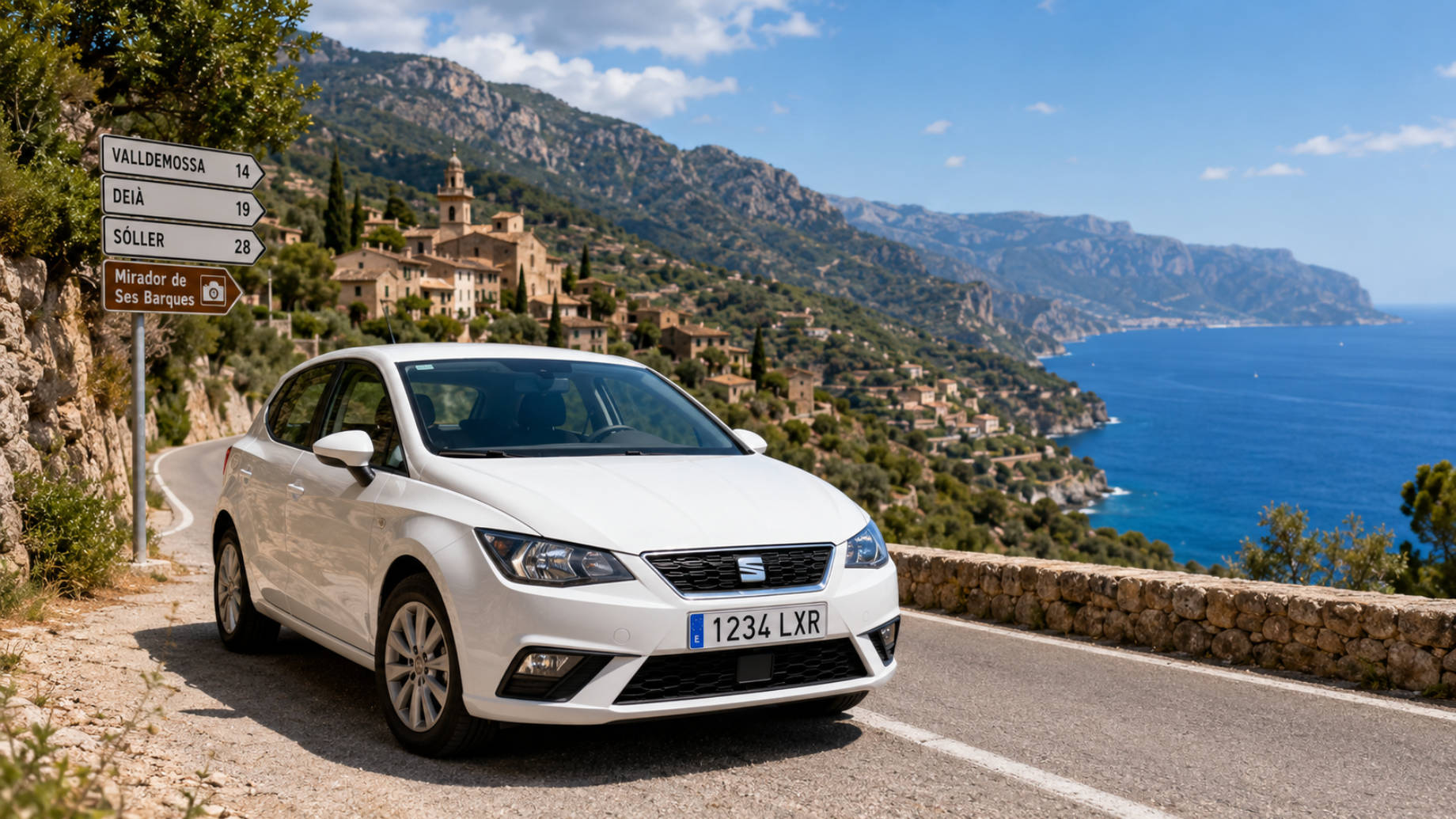
Renting a car in Mallorca is worth considering if your trip goes beyond Palma or one beach resort. The island is not difficult to drive around, but it does require a bit of planning. Some roads are narrow, parking near popular coves can fill up early, and mountain routes take longer than they look on the map. A good rental choice can make the trip smoother. A rushed or poorly checked booking can create unnecessary stress from the first day.
This guide explains when a car is useful in Mallorca, where to collect it, what type of vehicle to choose, what to check before signing the rental agreement and how to avoid the most common mistakes. For travelers who prefer to compare car rental options before arrival, RentGo Mallorca can be a helpful place to start planning a flexible route around the island.
When a rental car makes sense in Mallorca
A car is useful if you want to visit several areas of the island, stay outside Palma, travel with children, book a villa or explore beaches that are not directly connected by easy public transport. It is also helpful if your plans include the Tramuntana mountains, small inland towns, early beach trips or accommodation where taxis would become expensive.
You probably do not need a car for every day if you are staying in central Palma and mainly want restaurants, shopping, the cathedral, the old town and the marina. In that case, it is usually better to spend the city part of your trip without a car and rent one only for the days when you plan to leave Palma.
A simple rule works well: if you are staying in Palma, rent a car for day trips. If you are staying in a resort, rural hotel, villa or smaller coastal town, renting a car for the whole trip is often more convenient.
Where to pick up a car in Mallorca
Palma de Mallorca Airport
Airport pick-up is the most practical option for many visitors. It saves time if you are going directly to Alcudia, Port de Pollença, Cala d’Or, Cala Millor, Santa Ponsa, Port de Sóller or a rural property. It is also convenient for early return flights because you can drop the car near the terminal and avoid arranging a separate transfer.
Before booking, check the exact pick-up method. Some companies have desks inside the airport. Others use shuttle buses or nearby parking areas. This detail matters after a flight, especially if you arrive late, travel with luggage or have children with you.
Palma city
Collecting a car in Palma city can be a good option if you spend the first part of your trip there. Palma is easier without a car. The old town has narrow streets, traffic restrictions, paid parking zones and underground garages that are not always comfortable for visitors.
If your plan is two nights in Palma followed by several days around the island, collect the car after the city stay. This usually saves money and avoids paying for parking while the car is not being used.
Resort locations
In larger resort areas, you can often rent a car locally for one or two days. This works if you only want to visit a nearby beach, a market or a village. The downside is that local offices may have fewer cars, and prices can be less attractive in July and August.
If you need an automatic car, a larger family vehicle or a child seat, it is safer to book before arrival rather than relying on last-minute availability in the resort.
What car to choose for Mallorca
For most trips, a compact car is the best choice. Mallorca has good main roads, but many villages, beach access roads and parking areas are tight. A smaller car is easier to park in Valldemossa, Deià, Sóller, Fornalutx, Pollença and older parts of coastal towns.
An economy car is enough for two people with light luggage. A compact or mid-size car is better for a family with one child or travelers with more bags. A large SUV only makes sense if you truly need the space. Bigger cars can be less comfortable in village streets, mountain parking areas and underground garages.
Automatic cars are popular with international visitors, but they are usually more expensive and sell out faster. If you do not want to drive manual transmission, book an automatic early.
Driving in Mallorca: what to expect
Driving between the airport, Palma, Inca, Manacor, Alcudia and most resort towns is straightforward. The roads are generally good, signs are clear and distances are manageable. The main thing to remember is that scenic routes often take longer than expected.
The Serra de Tramuntana is the most beautiful driving area, but it is not a place to rush. Roads around Valldemossa, Deià, Sóller, Fornalutx and Sa Calobra are narrow in parts, with curves, cyclists, buses and viewpoints. The distance on the map may look short, but the drive can be slow.
If you are not used to mountain roads, start with an easier route such as Palma to Valldemossa or Sóller and Fornalutx. Sa Calobra is impressive, but it is better for confident drivers who are comfortable with tight bends and slow traffic.
Parking: the detail many travelers forget
Parking should be checked before booking accommodation, not after arrival. Some hotels include private parking, some offer paid garage spaces, and some rely only on street parking. This matters a lot in Palma, Sóller, Deià, Valldemossa and small beach villages.
In Mallorca, blue lines usually mean paid parking. White lines are often free spaces, but you still need to check signs for time limits or local rules. Yellow markings usually mean parking is not allowed. In villages, it is often easier to use a public car park near the entrance and walk into the centre.
For popular coves, arrive early. Places such as Cala Llombards, Caló des Moro, Cala Deià and several east coast beaches can become difficult by late morning in summer. If a beach is famous on social media, assume the parking will be limited.
Cap de Formentor: plan before you drive
Cap de Formentor is one of Mallorca’s most famous routes, but it needs extra planning. In busy seasons, access for private cars can be restricted during certain hours. Rules may change by season, so check current information before going.
Do not rely only on navigation apps for this route. If restrictions are active, you may need to use a shuttle bus, taxi, bicycle or visit outside restricted hours. Fines can apply if you drive into a restricted area without permission.
A good plan is to treat Formentor as a separate half-day trip. Start early, check access rules, allow time for traffic and do not combine it with too many other stops on the same day.
Palma and restricted driving zones
Palma has areas where driving and parking are more regulated than in the rest of the island. If your hotel is in the city centre, contact the accommodation before arrival and ask where you can unload luggage, whether there is parking nearby and whether any access restrictions apply.
For visitors staying outside Palma, the easier option is usually to park outside the busiest central streets and walk in. Palma is pleasant on foot, and driving inside the old town rarely adds value to the day.
Insurance, deposit and payment card
Do not judge a rental car only by the daily price. Before booking, check the deposit, excess, insurance conditions, payment card requirements, fuel policy, mileage rules and late return fees. Many unpleasant surprises at rental desks happen because the cheapest offer was not compared properly.
Pay attention to the deposit amount and the type of card required. Some companies require a credit card in the main driver’s name. Debit cards may not always be accepted for deposits. If the card rules are unclear, confirm them before travel.
Full-to-full fuel policy is usually the easiest to understand. You receive the car with a full tank and return it full. Before the return day, check where the nearest petrol station is, especially if your flight is early in the morning.
What to check before leaving the rental point
Before driving away, take photos or a short video of the car. Include the front, rear, sides, wheels, mirrors, windscreen, lights and interior. Make sure existing scratches or dents are marked in the rental documents.
Check the fuel level, mileage if it matters, child seat installation, emergency contact number and return instructions. If anything is unclear, ask at the desk before leaving. It is much easier to solve these details at the pick-up point than after you have already driven away.
Useful routes by car in Mallorca
Palma to Valldemossa and Deià
This is a good route if you want a scenic day without driving across the whole island. Valldemossa is easy to enjoy in a few hours, and Deià adds sea views and a different atmosphere. Start early because parking in both places can be limited.
Sóller and Fornalutx
Sóller works well for a relaxed day with a town walk, lunch and a visit to Port de Sóller. Fornalutx is smaller and quieter, with stone streets and mountain views. This route is a strong choice if you want the Tramuntana experience without doing the more demanding Sa Calobra road.
Alcudia, Pollença and Port de Pollença
The north is good for travelers who want a mix of old towns, beaches and coastal views. Alcudia has a historic centre and long beach areas. Pollença feels more local and elegant. Port de Pollença is a comfortable base for a slower seaside day.
East coast coves
The east coast is easier with a car because the beaches and coves are spread out. Cala d’Or, Porto Cristo, Cala Millor and nearby beaches can be combined in one flexible route. This area is especially practical for families because distances between stops are not too long.
Central Mallorca
The centre of Mallorca is useful for a quieter day away from the busiest beaches. Sineu, Petra, Santa Maria del Camí and Alaró offer markets, local restaurants and countryside roads. This is a good choice in high season when the coast feels crowded.
Common mistakes to avoid
The first mistake is booking too late for summer. Automatic cars, family cars and cheaper categories can sell out early. Prices also rise when demand is high.
The second mistake is choosing a car that is too large. Mallorca is not the best place to rent a big vehicle unless you truly need it. Smaller cars are easier for parking and village roads.
The third mistake is ignoring parking at accommodation. A hotel may look perfect online, but if parking is difficult every evening, the rental car becomes less convenient.
The fourth mistake is planning too many places in one day. Mallorca looks compact, but mountain roads, parking, beach access and lunch stops all take time. Three good stops usually make a better day than six rushed ones.
The fifth mistake is not checking access rules for specific areas such as Formentor or central Palma. Always check current local information before driving into regulated zones.
When to book a rental car
For June, July, August and September, book as early as possible. This is especially important if you need automatic transmission, a child seat, a larger vehicle or airport pick-up.
Spring and autumn are excellent for road trips. The weather is comfortable, parking is easier and mountain roads are usually more pleasant. Winter can also be a good time to rent a car if your trip is focused on villages, hiking routes, local restaurants and quiet coastal stops rather than swimming.
Final checklist before booking
Before confirming your rental car in Mallorca, check these details:
- Pick-up and return location
- Deposit amount and payment card rules
- Insurance excess and included coverage
- Fuel policy
- Car size and transmission
- Child seat availability if needed
- Parking at your accommodation
- Return instructions for early or late flights
- Access rules for planned routes such as Formentor
Renting a car in Mallorca is a good decision when it matches your route. It is most useful for beaches, villages, mountain roads, rural accommodation and flexible day trips. It is less useful if your stay is limited to central Palma.
The best rental is not always the cheapest one. A clear booking with fair conditions, a suitable car size and a realistic route will save more time than a low price with unclear rules. Plan the car around your actual itinerary, not just the airport arrival, and the island becomes much easier to explore.